


An Essential Guide On How To Care For Your Shoes
Published on 24/02/2026Shoe care is often overlooked, but taking time to properly clean and maintain them goes a long way in extending the lifespan of your favourite pairs. In this comprehensive guide, we’ll explore why shoe care matters, how to care for shoes based on their materials and parts, before wrapping things up with a list of essential shoe care products worth investing in.
Why Shoe Care Matters
We wear shoes every day. Other than their practical function, the right pair of shoes can instantly elevate an outfit, making you look and feel better. With shoes, wear and tear is inevitable, so a regular shoe care routine is essential to keep them looking their best. Not only will it help to keep your favourite pairs in good condition for longer — preserving their original colour, shape and overall design — it will also prevent bacteria build-up from sweat and moisture that can cause odours.
There is no one-size-fits-all shoe care routine. With the wide variety of women’s shoe styles available today — from different silhouettes and sole constructions to materials and decorative embellishments — the right care depends on what your shoes are made of, how they’re designed and how often you wear them. For instance, caring for leather shoes is different from caring for suede shoes. Continue reading as we delve into the different aspects of shoe care in greater detail.
How To Care For Your Shoes, By Material
Leather

Leather is one of the most common materials used in shoes — and for good reason. This malleable and durable material softens over time and often moulds to your feet with each wear, developing a distinctive lived-in character. One of the biggest care priorities for leather is preventing moisture loss. Without proper upkeep, it can dry out, crack and peel over time.
To keep leather shoes looking their best, regular maintenance is needed. This includes gentle cleaning to remove surface dirt and stains, followed by regular conditioning (every 6 months) to restore moisture and keep the material supple. It is also important to minimise prolonged exposure to direct sunlight, as it can cause fading and weaken the leather fibres over time.
(Related read: How to Clean Leather Bags)
Common care mistakes:
- Over-conditioning and over-cleaning: This can clog the leather’s pores, while constant exposure to harsh chemicals can damage the material.
- Direct exposure to heat and sunlight: High heat dries leather out quickly, making it brittle and prone to cracking.
Suede

Prized for its soft, velvety finish, suede is undeniably luxurious — but it is also known to be a high-maintenance material that requires special care. Suede is made from the underside of animal hide, giving it an open, porous surface that easily traps dirt and absorbs moisture. This makes suede especially vulnerable to scuffs, scratches and water damage.
When it comes to suede, prevention is always better than cure. A protective spray and regular brushing go a long way in preserving its texture and keeps it looking fresh. If stains do occur, they must be treated gently and with suede-specific tools to avoid flattening the nap or causing permanent discolouration.
Common care mistakes:
- Using non-suede specific cleaning products and conditioners can in fact darken suede and ruin its texture.
- Excess moisture exposure: Water can stain suede easily and leave behind uneven marks or stiffness.
(Related read: How To Clean Suede Shoes)
Canvas
Canvas is a breathable and lightweight fabric often used in shoes for its effortless style and comfort. Canvas shoes feature woven uppers made from cotton or linen — this same woven construction also makes them prone to absorbing dirt and stains, causing them to look worn out more quickly. This is especially noticeable when the canvas is in lighter shades like white and beige, where marks and discolouration show up easily.
To care for canvas shoes, regular surface cleaning is key. Start by brushing off dust and debris with a soft brush or cloth, then spot-clean with mild soap and water. Depending on the shoe’s construction, some canvas shoes may be machine washable — but only with proper protection and specific wash settings. Most importantly, always air-dry canvas shoes completely and away from direct sunlight to prevent the fabric from yellowing.
Common care mistakes:
- Using harsh detergents or chemicals — this can weaken fibres and cause patchy discolouration.
- Heavy scrubbing or rough brushing — this damages the woven texture and can fray the fabric.
- Drying under direct sunlight — UV exposure can cause fading and yellowing, especially on white canvas.
(Related read: How To Clean White Sneakers)
Faux leather
Faux leather is designed to mimic the look and texture of genuine leather. Unlike the latter, faux leather is made from synthetic materials like polyurethane (PU) or polyvinyl chloride (PVC). PU is typically more porous and breathable (but less water-resistant), while PVC tends to be non-porous and more resistant to moisture.
The good news is that faux leather is generally a low maintenance material. Most styles only require gentle wiping with a soft cloth to remove dirt and smudges. However, faux leather is more sensitive to heat and friction, and may peel or crack over time if handled too harshly, especially if it’s treated like genuine leather.
Common care mistakes:
- Conditioning it like real leather — most faux leathers do not absorb conditioner and can become sticky or damaged.
- Exposure to heat — high heat can warp synthetic coatings and accelerate peeling or cracking.
- Aggressive scrubbing or harsh chemicals — these can strip the top layer and ruin the finish.
Note: While the above provides a general guide to caring for shoes according to their material, it is always recommended to follow the specific care instructions provided by the shoe manufacturer, as materials and finishes can vary across designs and brands.
How To Care For Your Shoes, Based On Their Parts
Heels & Heel Tips
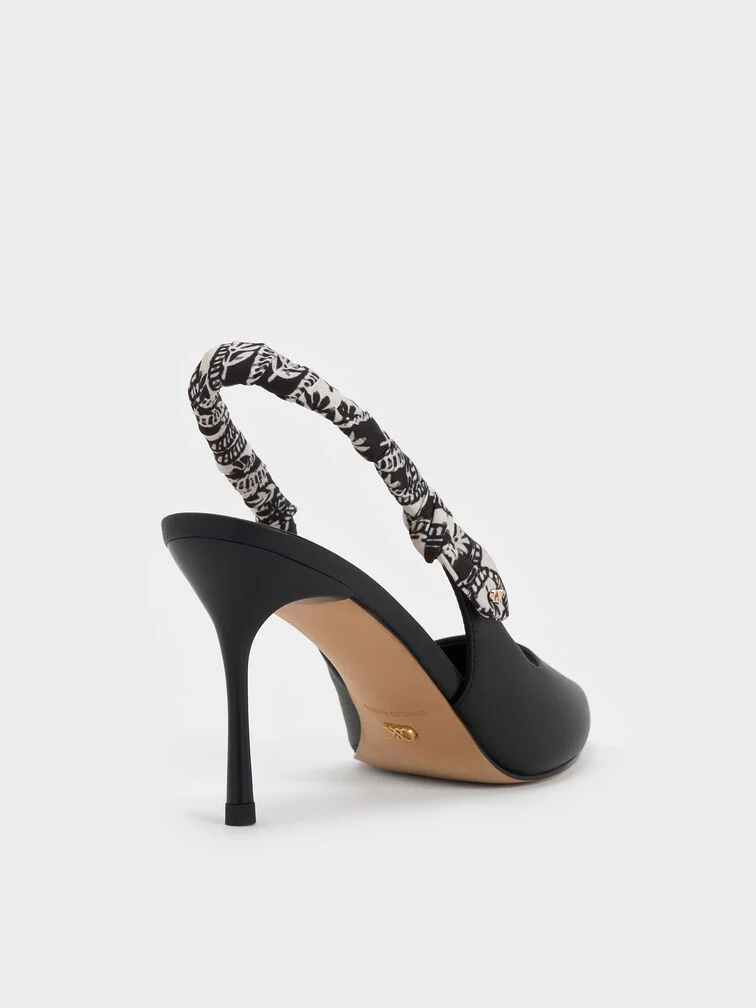
Heels come in many shapes and heights — they are also the shoe part that takes on the most pressure and impact as you walk. Often, heels come with heel tips (the area that comes in contact with the ground most frequently). Because heel tips often have a smaller surface area than the sole, they tend to wear down faster. Over time, worn-out heels and uneven heel tips can affect your balance, posture and overall comfort.
To keep your heels looking pristine and comfortable to walk in, check your heel tips regularly and replace them as soon as they appear uneven or worn. Whenever possible, avoid rough terrain like muddy grounds and rocky, uneven pavements — these surfaces accelerate wear and tear.
Common care mistakes:
- Ignoring wobbly heels — even a slight wobble can quickly worsen and cause irreversible damage to the heel.
- Wearing heels on unsuitable terrain — uneven or rocky surfaces can chip heel tips and weaken the heel base.
- Delaying heel tip replacements — this can lead to irreversible damage on the heel.
Soles
The soles are the bottom-most part of your shoes — the area that comes into constant contact with the ground — naturally, they pick up dirt, grime and stains extremely easily. While you don’t have to deep-clean soles after every wear, a quick wipe-down every few wears will keep them clean and in good condition.
For your favourite shoes or expensive pairs, consider adding sole protectors. They create a protective layer between your shoe’s original soles and the ground. They're easily replaceable and will help preserve the soles and extend the life of your shoes.
Common care mistakes:
- Not cleaning soles, especially after walking on muddy and soiled terrains
- Excessive and harsh cleaning of soles also wears down the soles quickly
Foot Bed
The foot bed is the inner base of the shoe — the part that your feet come into direct contact with. It plays a key role in comfort, cushioning, and support, but it also absorbs sweat, oils and moisture with wear. Over time, this can lead to odour and bacteria build-up if shoes aren’t properly aired out.
To keep your shoes hygienic and fresh, allow them to air-dry fully after each wear — this is especially important if you live in tropical or humid weather. Moisture-absorbing inserts can also help reduce sweat build-up, while occasional spot cleaning with mild products keeps the foot bed looking and feeling clean. Wearing socks when appropriate also helps minimise direct contact with the foot bed.
Common care mistakes:
- Storing shoes immediately after wearing — this traps moisture and encourages odour and bacteria growth.
Toe Box
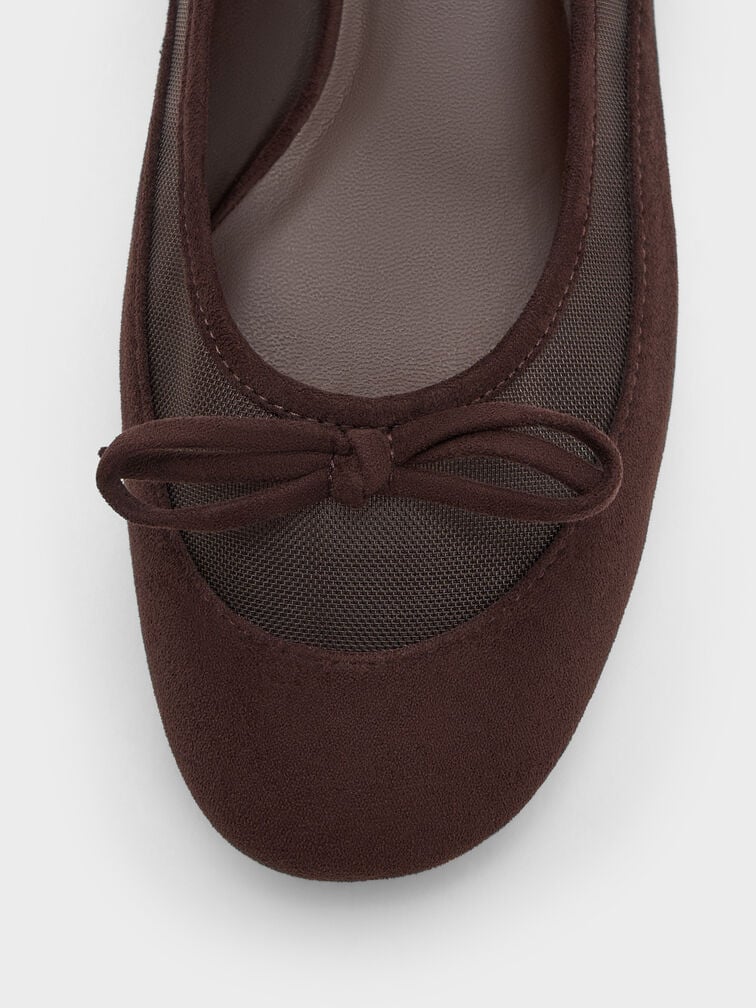
The toe box is the topmost part of your shoe that covers your toes — it is also one of the areas that is most prone to visible wear and tear. From scuff marks and scratches to creases caused by everyday wear, the toe box can easily lose its shape and structure over time. Leather shoes are more prone to creasing because the material naturally softens and folds where your foot flexes.
To maintain its shape and minimise creasing, rotate your shoes regularly (avoid wearing the same pair every day), and use shoe trees or inserts when storing them. Proper storage also prevents accidental rubbing and dents — especially if you tend to keep multiple pairs together.
Common care mistakes:
- Excessive bending and pressure on the toe box — this accelerates creasing and deformation.
- Improper storage or overcrowding — shoes can scuff and rub against one another, damaging the toe area.
Straps, Laces & Elastic Bands
Typically found on strappy styles such as sandals, sneakers, and Mary Janes — straps, laces, and elastic bands may seem like small details, but they play a crucial role in overall comfort, fit and support. As they are constantly pulled, stretched and adjusted, they can easily loosen or wear out over time.
To keep them in good condition, handle straps gently when wearing and taking off your shoes. Avoid overstretching the elastic bands and strappy uppers. For sneakers, laces can usually be removed and cleaned separately (hand-washed or machine-washed in a laundry bag) to keep them clean.
Common care mistakes:
- Rough handling when wearing shoes — tugging straps aggressively can weaken stitching and elasticity.
- Overstretching straps and elastic bands — this causes premature loosening and loss of support.
Buckles, Hardwear & Embellishments
The most delicate parts of a shoe are often the smallest ones — buckles, metallic hardware, decorative accents and embellishments like crystals, pearls or sequins. These details must be handled with care because they can tarnish, loosen, fall off or snag over time. Hardware can lose its shine over time, while adjustable buckles — particularly those on slingbacks — can cause creasing around the strap holes due to repeated fastening.
For embellished or mixed-material shoes, gentle cleaning is key. Always clean each area according to its material type and avoid damaging decorative elements. Proper storage is just as important — keep shoes in their dust bags whenever possible and ensure nothing heavy is placed on top of them to prevent crushing or dislodging of embellishments.
Common care mistakes:
- Rough handling of buckles and hardware — this can cause scratches, bending or loosening.
- Improper storage without protection — embellishments may graze against other shoes and fall off over time.
How To Care For Your Shoes, Based on Occasion & Wear Frequency
We have covered the technical aspects of shoe care by material and their specific parts. Now, we’ll look into how to care for your shoes based on the occasion and frequency of wear.
Work & Office Shoes

Work shoes tend to be worn very frequently — often daily or near-daily, depending on your schedule (and whether you’re working in-office, hybrid or fully onsite). Even if your job is largely desk-bound, work shoes still endure long hours of commuting, walking between meetings and general daily movement. With consistent use, signs of wear show up quickly — from creased toe boxes to worn soles or heel tips. While these may seem like small issues at first, they can compound over time and lead to irreversible damage.
Care tips for work & office shoes:
- Wipe down weekly to remove surface dirt and dust.
- Air out after every wear to reduce moisture build-up and odour.
- Inspect regularly for early signs of wear (heel tips, soles, loose lining).
- Rotate between pairs whenever possible to allow shoes to ‘rest and recover’.
Special-Occasion Shoes

Special-occasion shoes — whether worn for weddings, parties, festive gatherings, or formal dinners — tend to be worn less frequently. This means shoe care becomes less about daily wear and tear, but more about proper upkeep and storage between uses. In fact, poor storage is just as damaging. Formal-event shoes typically feature delicate materials such as mesh, satin finishes and embellished details like metallic hardware, crystals and sequins — where careful handling and storage are key. Over time, improper storage can cause shoes to lose their shape and even lead to peeling of material or loss of design details.
Care tips for special-occasion shoes:
- Clean gently and air-dry after every use before storing.
- For materials that require conditioning (e.g. leather), condition every 4 to 6 months, even if unworn.
- Store with enough space to avoid pressure marks, creasing or imprinting from other shoes.
- Use shoe trees or inserts to maintain shape.
- Keep storage areas dry, well-ventilated and away from direct sunlight.
- Use silica gel or dehumidifiers to prevent mould and mildew; replace the silica gels every 3 to 4 months.
Seasonal Shoes
Seasonal shoes — such as espadrilles for summer or boots for fall and winter — are worn heavily when they are in season, then stored away for long periods of time. Therefore, they require both in-season maintenance and off-season storage planning. Storage plays a crucial role, especially during prolonged downtime. The goal is to ensure the shoes retain their shape, material integrity and finish, so they’re ready to be worn again when their season returns.
Care tips for seasonal shoes:
- Perform regular cleaning and checks when they’re in use during the season.
- Before off-season storage, clean the shoes thoroughly and allow them to air-dry completely.
- Store in a cool, dry place with enough space — avoid squeezing or stacking shoes.
- Keep away from direct sunlight and high heat, which can accelerate fading, drying and peeling (especially for leather).
- For boots, use boot shapers, stuffing or inserts to support shafts and prevent slouching.
- Use silica gel or dehumidifiers to prevent mould and mildew; replace silica gels every 3 to 4 months.
- If you’re keeping your shoes in boxes, ensure there are ventilation holes to promote airflow.
Shoe Care Tips For Regular Maintenance
Step 1: Clean Your Shoes Regularly
To keep your shoes looking pristine, remove surface dirt regularly and address stains — such as mud, soil or ink — as soon as possible before they set in. If your shoes get wet or damp, make sure to dry them thoroughly before storing them away, as trapped moisture can lead to mould, odour and irreversible material damage.
Step 2: Store Your Shoes Properly
Proper storage goes a long way in maintaining your shoes’ shape and condition. Store them in a cool, dry area away from direct sunlight. For those living in humid climates, consider using moisture absorbers or dehumidifiers to prevent mould and mildew growth. Avoid stacking or squeezing pairs too tightly, as this can cause creasing and deformation — instead, ensure there is sufficient space between shoes and use shoe trees or inserts for softer or slouchier styles. Lastly, avoid storing your shoes in plastic boxes, as they trap moisture and increase the risk of damage over time.
Step 3: Rotate Your Shoes
Wearing the same pair every day accelerates wear and reduces its lifespan. Having a few pairs of shoes in your rotation gives each pair time to ‘breathe’ and air-dry fully. This also allows them to recover their shape between wears, which helps preserve their structure in the long run.
Step 4: Routine Care
A good shoe care routine is just as much about prevention as it is about cleaning. Condition your shoes when needed — especially leather and suede styles — to prevent drying, cracking and peeling. You can also apply protective products such as water or stain repellents to reduce future damage. Last but not least, make it a habit to inspect your shoes periodically so you can fix minor issues early on before they require costly repairs.
Basic Shoe Care Products
Shoe care products are essential tools designed to extend the lifespan of your shoes, keeping them in tip-top condition. In this section, we’ll share a list of essential and recommended shoe care products. It is important to note that not every shoe requires an extensive shoe care kit. Ultimately, it really depends on the material of your shoe, how often you wear them, your environment (e.g. humidity, rain exposure) and also your personal preference in how much you’d like to invest in your regular shoe-care routine.
Necessary Shoe Care Essentials
Gentle Shoe Cleaner
A gentle shoe cleaner is one of the most important products to have in your shoe care routine. It effectively removes surface-level dirt and general stains, giving your shoes an instant refresh without damaging them. Always opt for gentle, material-appropriate formulas — harsh detergents or strong chemicals can strip the shoe’s finish, dry out certain materials and even cause discolouration over time.
Best for: Regular maintenance across most shoe materials. Using material-specific cleansers matters!
Protector Sprays
Another must-have is a shoe protector spray. Protector sprays form a barrier against water, stains and dirt, and some formulas can even help minimise discolouration. They are especially useful for those living in countries where the weather is unpredictable. A quick spray before your first wear (and regular reapplication) goes a long way in keeping your shoes looking like they’re brand new.
Best for: Suede, nubuck, fabric and leather.
Shoe Trees
Last but not least, consider investing in shoe trees if you want your shoes to maintain their shape for longer. They help minimise creasing and prevent the gradual structural collapse of your shoe that typically comes with frequent wear or long-term storage. Shoe trees also improve air circulation inside the shoe, reducing trapped moisture and odour over time.
Best for: Leather shoes, daily office shoes and high-quality investment pieces.
For a more budget-friendly option, you can consider using newspapers as an alternative. Do ensure they do not cause colour or ink transfers. However, for long-term storage and for high-quality investment pieces, shoe trees are the best option.
Good-to-Have
The following products aren’t strictly necessary, but they can be very useful depending on your shoe collection and lifestyle.
Deodorisers or Moisture Absorbers
Deodorisers and moisture absorbers (e.g. silica gels) help control odour and reduce excess moisture, which is especially helpful if you wear your shoes for long hours or if you live in humid climates.
Best for: Sneakers, office shoes and closed-toe styles.
Material-Specific Care Products
Different materials have different needs — and using the wrong product can sometimes do more harm than good. Material-specific tools and cleaners help you care for delicate shoes properly, especially when general “all-in-one” products aren’t suitable.
Examples:
- Suede or nubuck brushes and protector sprays
- Canvas-specific foam cleaners
- Faux leather wipes
Optional (Depending on your shoe collection)
While optional, these products are great additions to your shoe care kit, especially if you’re looking to invest in a more thorough routine.
Conditioners (Genuine Leather Only)
Leather conditioners replenish natural oils to prevent drying, cracking and peeling. They are especially useful for genuine leather shoes that are rarely worn or stored for long periods, as leather tend to dry out even when unused.
Soft Brushes & Cloths
Soft brushes and microfibre cloths make cleaning easier and more effective. They help remove dirt gently without scratching or damaging the material and allow you to apply cleaners or protective products evenly.
Sole Protectors / Heel Tip Replacements
If you wear your shoes often (especially heels or work shoes), sole protectors and heel tip replacements can significantly extend their lifespan. These small upgrades reduce wear on high-impact areas and help keep your shoes looking new for longer.
In conclusion, there is no one-size-fits-all shoe care routine — your routine would be largely dependent on the type of shoes you wear, their material composition and how often you wear each pair. The key is to schedule regular care and maintenance every few months to clean, protect and upkeep your shoes. While shoe care may feel tedious at times, investing in a simple routine — supported with the right care products — goes a long way in keeping your shoes in good condition for longer. We hope this comprehensive guide has been helpful in giving you useful tips on how to care for your shoes.