


- Heels Through the Ages: Then Vs. Now
- Why Are Heels a Popular Wardrobe Staple?
- What to Consider Before Buying Heels
- How to Find the Right Heels for Your Foot Type & Size
- Recommended Heels Based on Occasion & Lifestyle
- Tips for Styling Heels with Outfits & Accessories
- How to Care for and Maintain Heels
- Frequently Asked Questions About Heels
The Ultimate Guide to Women’s Heels
Last updated on 29/04/2026Heels are ubiquitous in the world of fashion — and for good reason. They are well-known for their leg-lengthening effect and, regardless of the actual elevation, encourage a more upright posture because of the way the shoes are sculpted. This subtle shift can instantly make you feel more confident and empowered.
Our comprehensive guide contains everything you need to know about women’s heels, from their rich history and cultural significance to practical tips on styling them for different occasions. We’ve also included expert care and storage advice to help extend their lifespan and keep them looking their best.
Heels Through the Ages: Then Vs. Now
History of Heels
The history of heels dates back centuries and is widely believed to have originated in 10th-century Persia, where they were designed to secure men’s feet in stirrups during horseback riding.
Over time, they started to gain cultural significance, making their way to Europe in the 16th century through strong trade relations between Iran and the continent. There, they became popular among the aristocrats and were still largely worn by men, cementing their status as a symbol of wealth. In the following century, heels saw a decline in popularity. Though they never disappeared, they became a rarer sight on the feet of both men and women. When they returned in the 19th century, cultural shifts had shaped them into a women’s fashion staple.
In recent years, heel trends have continued to evolve, with designers creating innovative styles and designs. The 1950s saw the invention of the slender stiletto heel, which became a symbol of femininity and sex appeal. Since then, new forms have continued to emerge, including chunky heeled boots, high-heeled sneakers and geometric sculptural heels.
Current Heel Trends
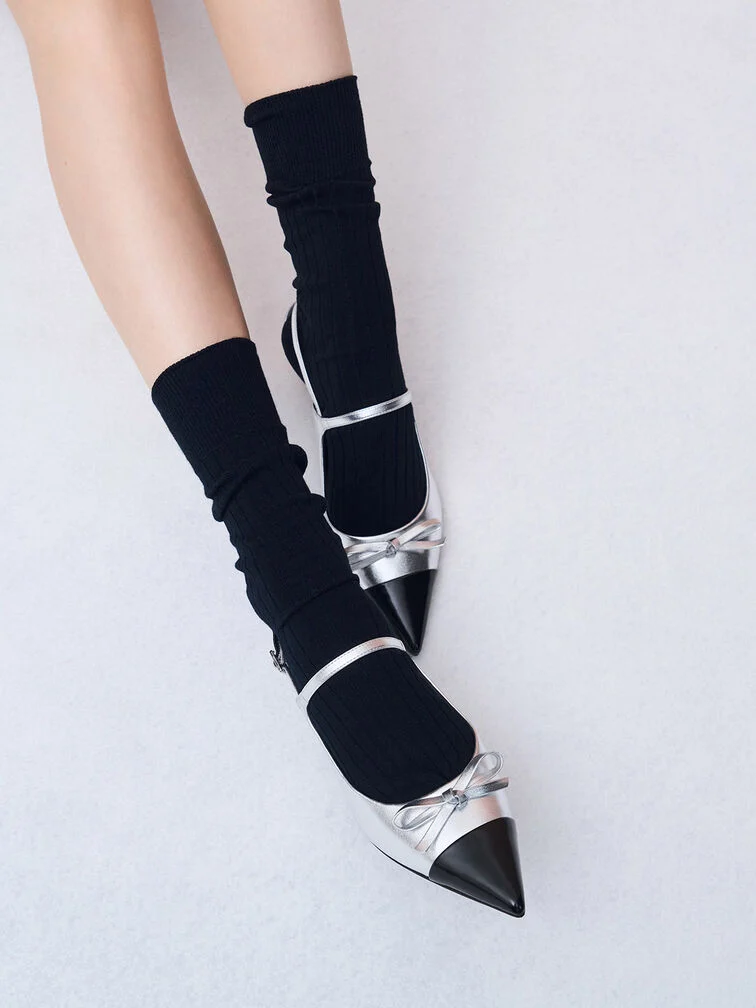
Today, heel trends have become more diverse than ever. One popular trend right now is the high-vamp pump, which offers a chic, modern silhouette and a glove-like fit. These heels are typically designed at a modest height, making them ideal for effortless everyday wear. Square-toe heels are also very on trend, offering a refreshing departure from the pointed and round shapes that have long dominated the scene. They bring a structured look that feels both stylish and refined.
Additionally, toe-cap pumps are making a comeback. Typically designed with chunky block heels, their chic cap toes evoke a distinctly French aesthetic and create a striking visual contrast — the simplest way to add instant polish to any ensemble.
Why Are Heels a Popular Wardrobe Staple?
Heels are a popular footwear choice among many women for one key reason: elevation. In the physical sense, heels — no matter the height — provide a boost that elongates the silhouette, creating the illusion of longer legs and a leaner frame. More abstractly, heels exude an inherent elegance that will elevate both your style and any outfit they are paired with.
This makes heels a no-brainer, go-to option for occasions that call for dressing up. They are suitable for everything from professional work events to special celebrations, as they instantly make any ensemble appear more refined, intentional and glamorous.
What to Consider Before Buying Heels
With so many heels to choose from, it is common to experience choice paralysis when picking out a pair. To make your shopping experience easier, we have outlined a detailed guide below that will walk you through the decision-making process step by step. At the end of this section, you should have a clear idea of the style, heel height and toe shape that best suit your needs.
Occasion & Intended Use
First and foremost, where will you be wearing your heels? This is an important factor in determining the right pair, as heels for an important work meeting can look drastically different from those suited for a beach wedding. Here are some questions to consider at this stage:
- Are the heels for a professional work event, special celebration or everyday wear?
- Am I buying them for a specific occasion, or do I want to wear them beyond it?
- Will I be standing in these heels for long hours?
- Are there any dress codes to adhere to or environmental factors to consider (e.g. cobblestones, tall grass, sand)?
Comfort & Wear Time
It’s important to consider how long you will be wearing your heels because, quite simply, a pair that starts to hurt after 30 minutes isn’t a wardrobe staple — it’s a liability. The following questions will help you determine the level of comfort you need:
- How many hours will I be wearing these heels?
- Do I have any existing foot concerns (bunions, plantar fasciitis, wide feet etc.) that may not suit certain heel styles?
- Do the heels offer adequate cushioning, or will I need insoles for added comfort?
- Have I sized my feet correctly, keeping in mind that they tend to swell throughout the day, especially in heels?
Stability & Support
The stability of heels isn’t determined by height alone — their materials and construction also play a crucial role in how well they support your feet. Consider the following questions to assess whether a pair is sturdy and reliable:
- Do the insoles provide enough grip, or do my feet slip at the heel?
- Are there ankle straps or other design features that help keep my feet securely in place?
- Do the heels offer adequate arch support, or are the insoles completely flat?
- Do I feel balanced both when standing still and walking in them?
Heel Shapes
The shape of a heel is one of the biggest factors in determining how wearable a pair is on a day-to-day basis. Refer to the list below for the pros and cons of each heel type to facilitate your decision-making:
- Stiletto: Tall and narrow, this shape is the least stable option and is best suited for low-movement occasions.
- Block: With a wide base and typically a modest height, this heel type offers greater stability and is better suited for extended wear.
- Kitten: Low and slim, this shape is a great entry point for beginners or frequent heel wearers who prioritise comfort.
- Wedge: By distributing weight evenly across the feet, this is one of the most comfortable heel types.
- Cone: Featuring a base that is wider than a stiletto but narrower than a block, it offers a balance of style, height and comfort.
Here are some additional questions to consider: Does the heel shape suit the terrain of the occasion? Will I feel confident wearing and walking in them?
You can also find a more detailed and comprehensive guide to the different types of heels and how to wear them here.
How to Find the Right Heels for Your Foot Type & Size
Finding the right heels for your foot type and size is not rocket science. With a little bit of research and knowledge, the process is easy and effortless.
Finding the Right Size
Start by determining your true foot size. Feet tend to swell throughout the day as gravity causes fluid to accumulate in the lower extremities, so measuring them in the afternoon or evening will yield the most accurate measurements. It is also highly recommended to try on heels later in the day for the best fit.
When measuring, take measurements of both feet and use the larger one as your reference. Ensure there is at least a thumb’s width of space between your longest toe and the tip of the shoe — this may vary depending on your toe shape. Find your perfect CHARLES & KEITH shoe fit with our handy size guide.
When trying on heels, do so with hosiery or socks to ensure they still fit comfortably with the added layer. Be sure to walk around in them as well to assess comfort, as shoes may shift, pinch or dig into your skin when in motion.
Wide Feet
Wide feet are defined by a broader forefoot (the widest part of your foot), where the measurement is slightly larger than the standard width relative to length.
If your shoes often feel too tight, pinch your toes or cause bulging at the sides, you likely have wide feet. Avoid pointed toes or tapered silhouettes — heels that are too narrow in the toe box can cause painful pinching, worsen bunions and even lead to blisters.
Instead, opt for round, square or almond toe shapes. Choose chunky block heels that provide better weight distribution and avoid stilettos, if possible, as they place excessive pressure on the forefoot, which can lead to pain and potential stress fractures.
Narrow Feet
People with narrow feet typically have a slimmer forefoot and narrower heels. You may have narrow feet if standard-width shoes fit poorly, causing your feet to slip and slide.
Heels with pointed toes can help prevent slipping due to their tapered silhouette. Look for design features, such as straps or laces, that can be adjusted for a snug fit. In particular, ankle and T-bar straps can help keep narrow feet secure and minimise slippage.
Avoid wide toe boxes as they can cause your feet to slide forward, placing excess pressure on your toes and the balls of your feet, which may lead to blisters. Consider using heel grips or inserts to help fill any extra space, provide additional cushioning and reduce movement within the shoe.
High-Arched Feet
High-arched feet, also known as pes cavus, refer to feet with an exaggerated arch, resulting in excessive pressure on the heels and the balls of the feet.
You can conduct a simple test by wetting the sole of your foot and stepping on a piece of paper. If the print shows only the heel and ball of the foot, with a thin line or no connection along the outer edge, you likely have high arches.
As heels naturally pitch the feet forward and intensify pressure on the balls of the feet, they are not ideal for those with high arches. It’s best to avoid them when possible but if you do need to wear them, opt for mid-height block or kitten heels, which help alleviate the pressure and reduce discomfort. Platform heels also reduce foot inclination while still providing added height.
Look for heels with built-in arch support or an ergonomically contoured footbed rather than a flat insole. You may also consider using cushioned ball-of-foot inserts to improve comfort.
Flat Feet
Flat feet, also known as fallen arches or pes planus, have little to no arch, meaning the entire sole makes contact with the ground. If you stand upright and try to slide a finger under the arch of your foot but find no space, you likely have flat feet.
For those with flat feet, tall heels can be painful and uncomfortable as the feet cannot form a natural arch, placing strain on the plantar fascia. It’s best to avoid high, thin stilettos, which lack the stability needed for proper support.
Wedge heels are highly recommended for their even weight distribution. Alternatively, block heels with a height of 7 to 8 cm are also ideal. Additionally, look for heels with a built-in arch support, or consider adding orthotic insoles specifically designed for flat feet for added comfort.
Recommended Heels Based on Occasion & Lifestyle
Heels for Work
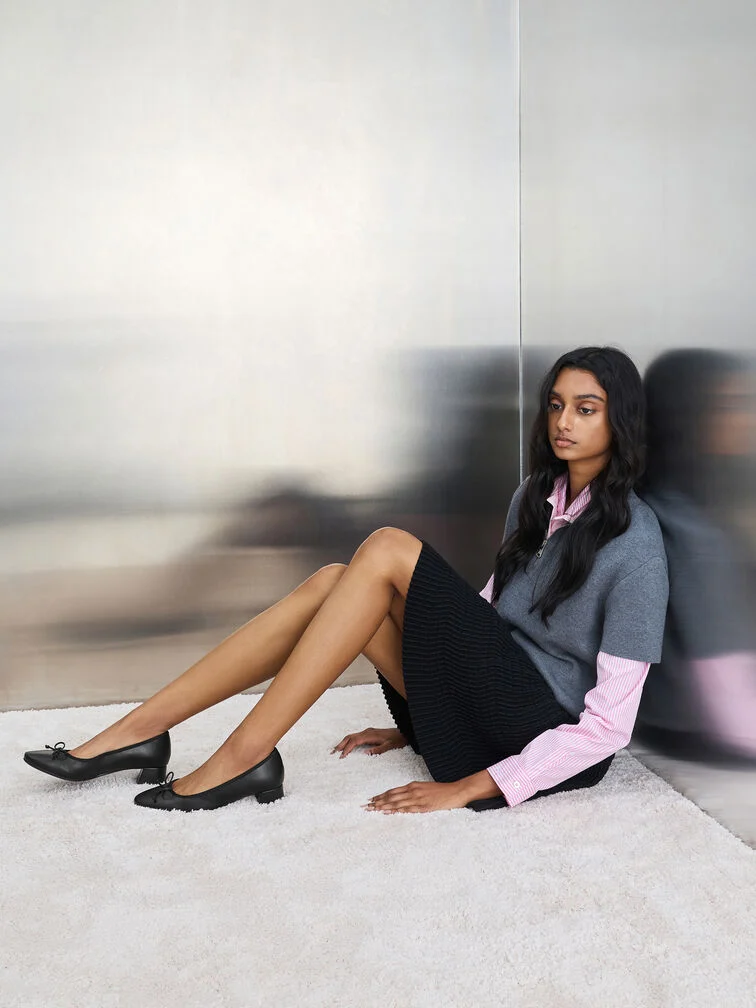
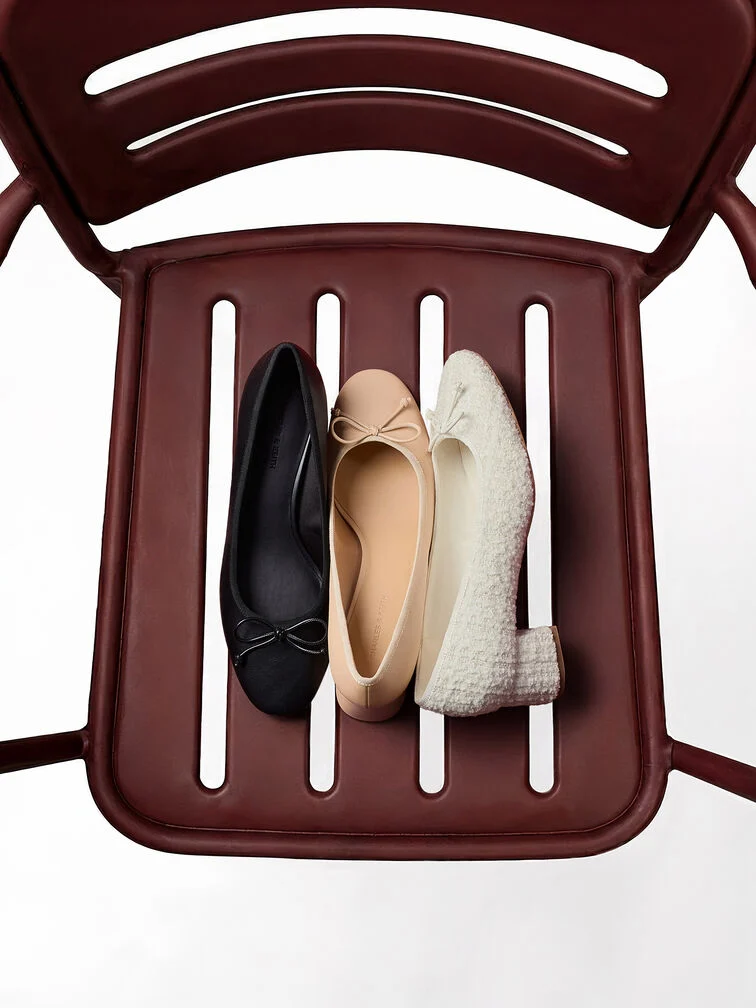
When dressing for the office, it is important to prioritise comfort and practicality while still maintaining a professional appearance. Opt for heels that deliver on all fronts, such as classic pointed-toe slingback pumps with kitten heels or sturdy block heels with a timeless cap-toe design.
Choose neutral colours for their versatility, making it easier to put together outfits in the morning. Additionally, look for features like cushioned insoles and leather uppers that will not only help reduce foot fatigue but also stand the test of time.
Avoid styles that reveal too much skin, such as strappy, barely-there sandals, as they are often considered too casual for the office. Extremely high, thin stilettos should also be avoided, as they can appear overly dramatic and are often impractical. When in doubt, keep heel heights between 3 and 8 cm.
Heels for Weddings & Formal Events
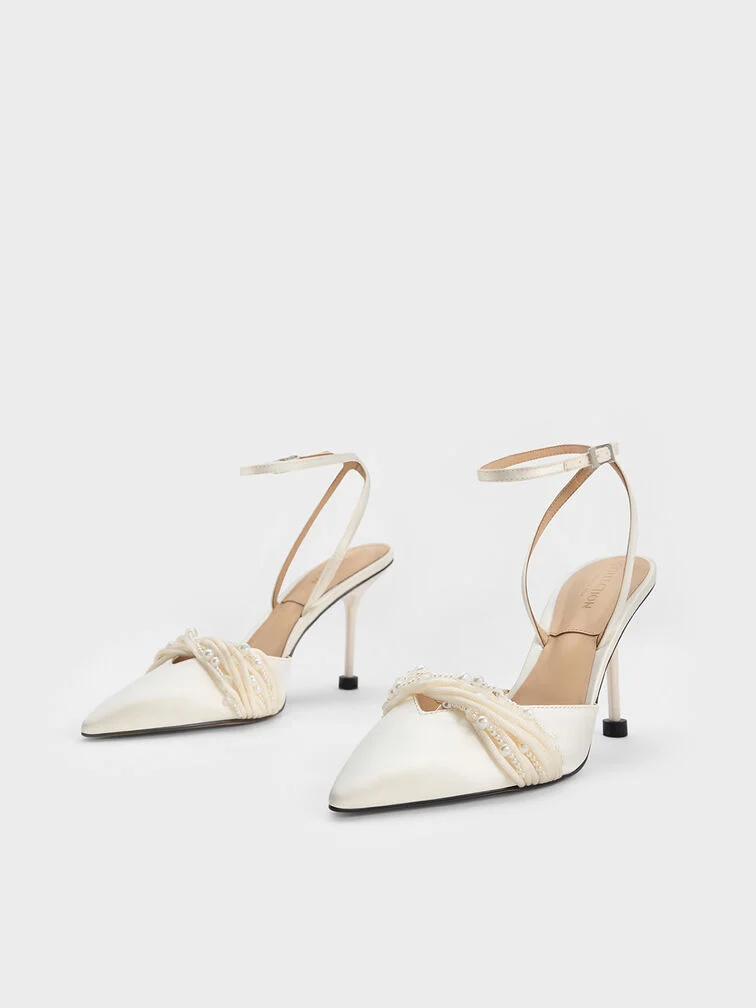
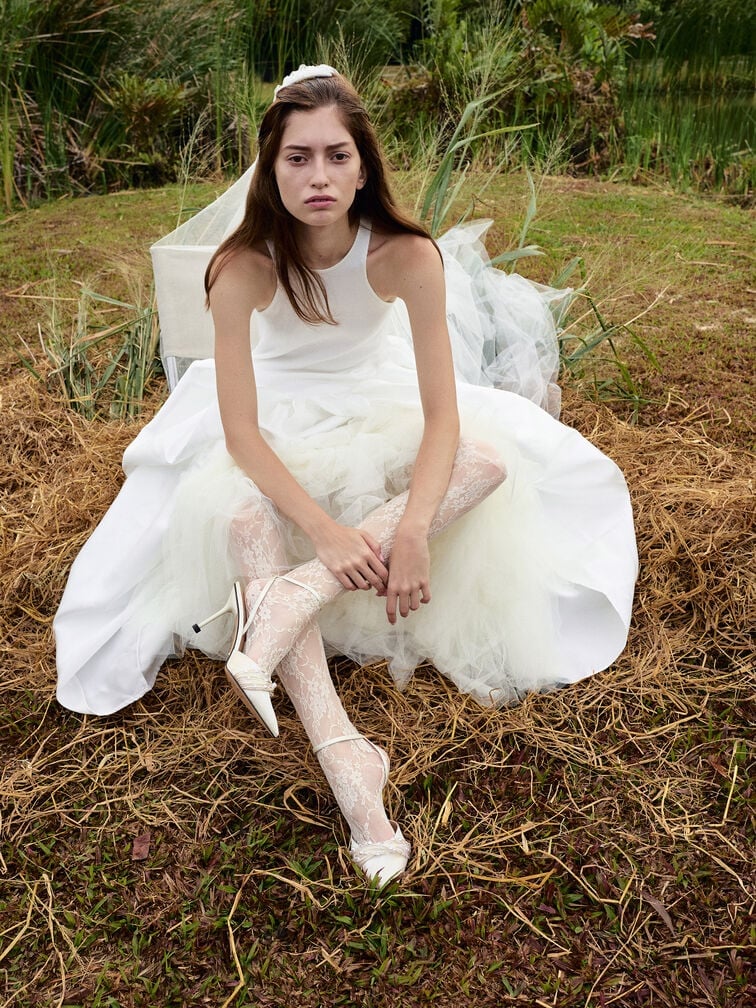
Stiletto heels are often a popular choice for weddings and black-tie occasions, thanks to the undeniable glamour they bring. However, they may not always be practical, depending on factors such as the venue, season, time of day and dress code. For instance, if you are attending an outdoor garden wedding, wedge or block heels are better options as they prevent you from sinking into the ground. Stiletto heels may also feel out of place at a more casual daytime wedding, where strappy heeled sandals can be a more suitable and stylish alternative.
For the bride, white or ivory heels are a timeless choice. Soft metallics, blush tones and champagne hues are equally elegant, offering neutral yet modern alternatives. For guests, it is best to avoid wearing white as a gesture of courtesy, even if you believe the bride wouldn’t mind. Instead, let the dress code guide your colour choices. Consider the setting as well — for example, opt for earthy tones for a beach wedding or soft pastels for a garden celebration. Navigate wedding dress codes with confidence using our comprehensive guide, complete with styling tips and common pitfalls to avoid.
Heels for Parties
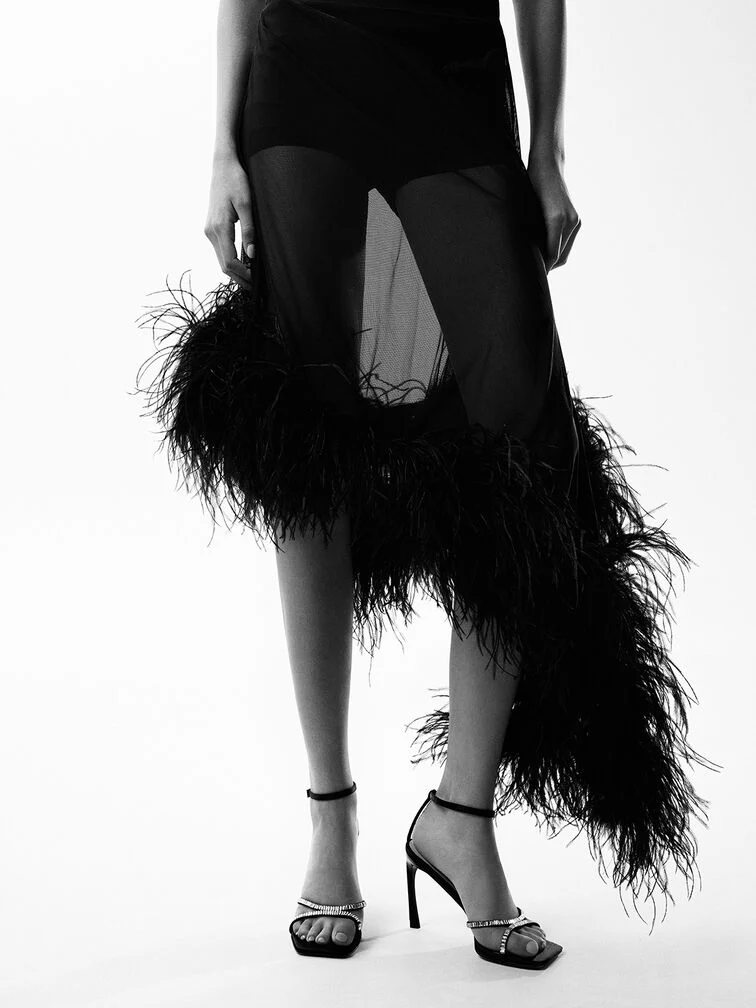
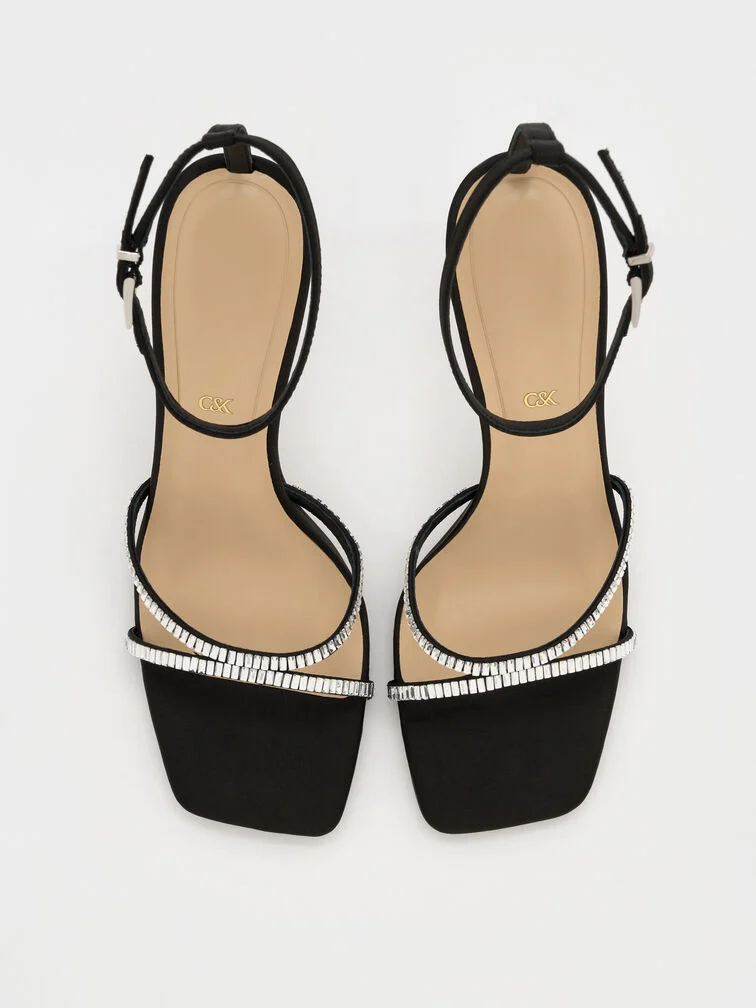
Parties are one of the rare occasions where you can truly pull out all the stops and embrace bold, statement-making pieces. They offer the perfect opportunity to experiment with your style and reach for shoes you might not typically wear day to day, so don’t be afraid to go all out with bright colours, eye-catching prints and striking embellishments.
Think alluring strappy sandals with gem-embellished details, dramatic stilettos for added impact or platform heels that deliver the same effect with greater comfort.
Look for design features such as ankle straps, which help keep your shoes secure so you can dance the night away without worrying about them slipping off. Heels in the 5 to 7 cm range can provide a flattering lift without placing excessive pressure on the balls of your feet. That said, always consider the venue and dress code. Strappy stiletto sandals are ideal for summer soirées, but in cooler weather, they may leave your feet uncomfortably cold.
Heels For Everyday Wear
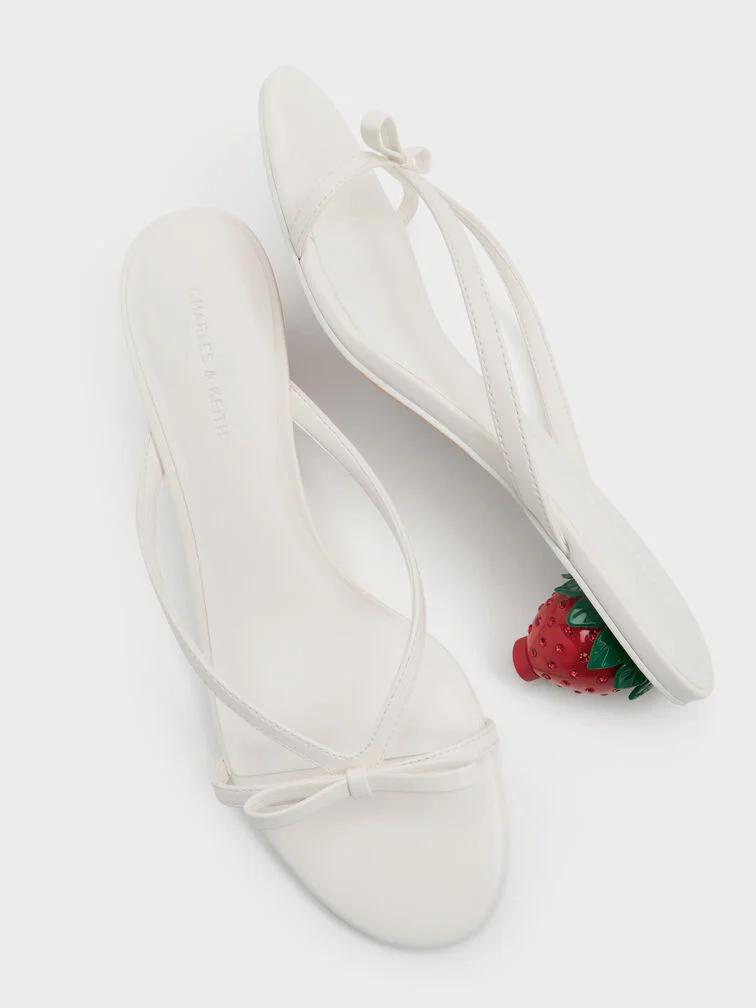
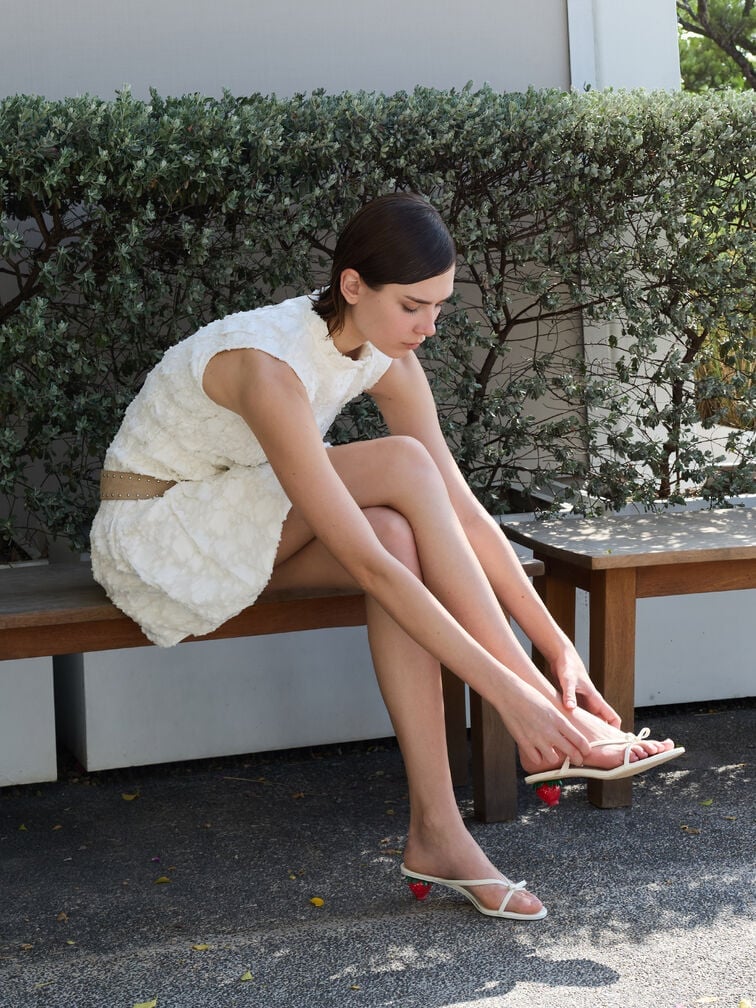
Heels for everyday wear should be comfortable, versatile and durable. Since you’ll likely pair them with a wide variety of outfits and wear them frequently, they need to withstand regular use without breaking down quickly.
Opt for lower styles such as kitten heels, block heels or loafer heels. These options are polished enough to complement almost any outfit while remaining practical for daily wear. If you want to add a touch of personality, sculptural or geometric heels can offer visual interest without sacrificing comfort, as many come in lower heights as well.
Neutral tones are always a smart choice for their versatility — they will effortlessly complement most outfits and require less thought when getting dressed. If possible, look for heels with rubber outsoles for added durability or cushioned insoles for enhanced comfort; it’s these small details that make a meaningful difference.
Tips for Styling Heels with Outfits & Accessories
As heels can alter your silhouette and proportions, a fail-safe way to style them is by applying the rule of thirds. This principle encourages you to visualise your body in three sections: from head to waist, waist to knee and knee to feet. By choosing one or two sections to emphasise and downplaying the others, you create a more balanced and visually appealing silhouette.
Heel style plays an important role in achieving this balance. For instance, if your top and bottoms (the top two-thirds) are both fitted, chunky block heels can anchor the final third, helping to create a more harmonious proportion. Colour also contributes to this effect. Heels that match your bottom wear create a continuous visual line, elongating the lower half of the outfit. On the other hand, heels that contrast with your bottoms define the lower third and create a distinct visual break.
To make things easier, we’ve put together some classic combinations that always work below.
Recommended Combinations
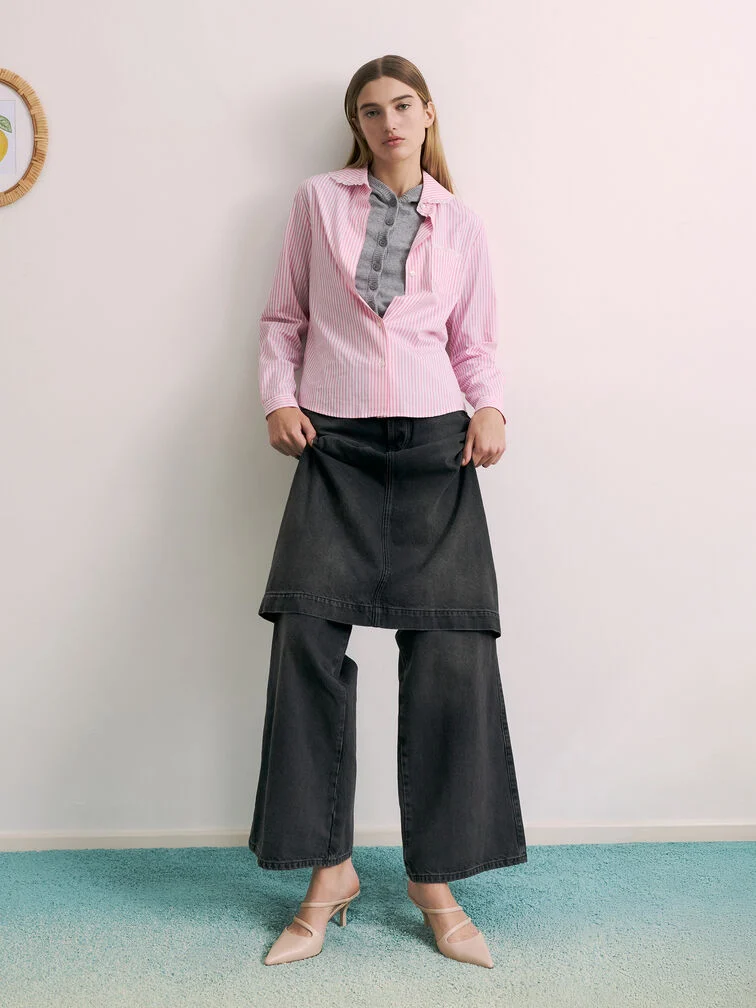
Wide Leg Pants + Pointed-Toe Heels: The sleek, tapered silhouette of pointed-toe heels helps counterbalance the relaxed volume of wide-leg pants, preventing them from overwhelming your frame.
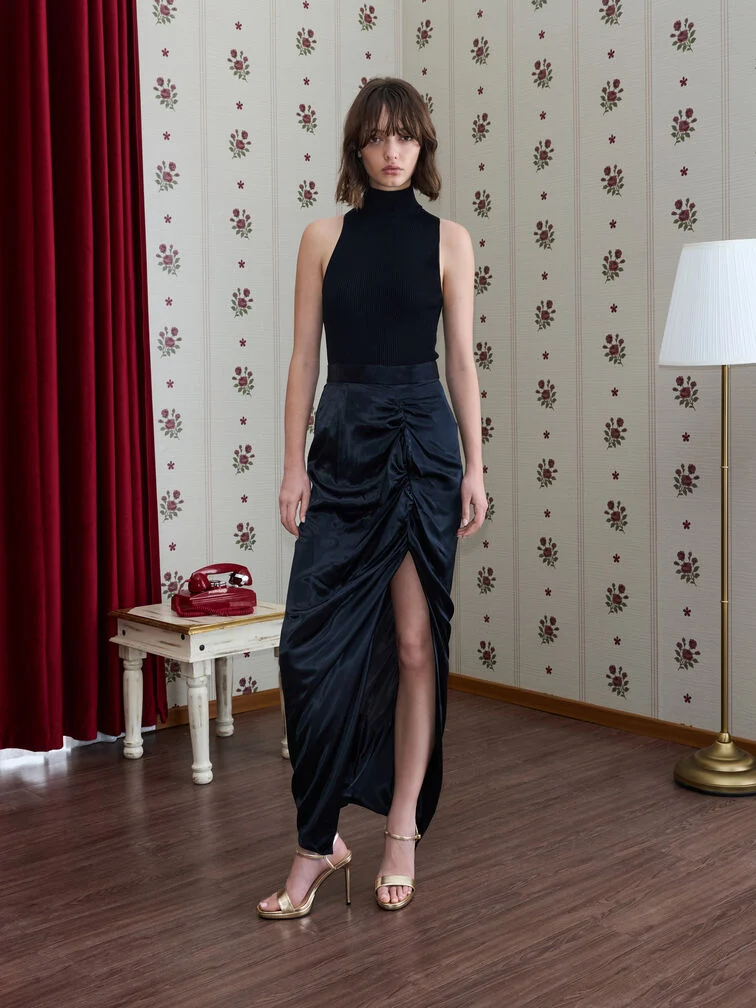
Slit Maxi Skirt + Ankle-Strap Heels: The slit creates a natural focal point, while an ankle strap adds a visual break that keeps the exposed leg from looking too bare, creating a more balanced look.
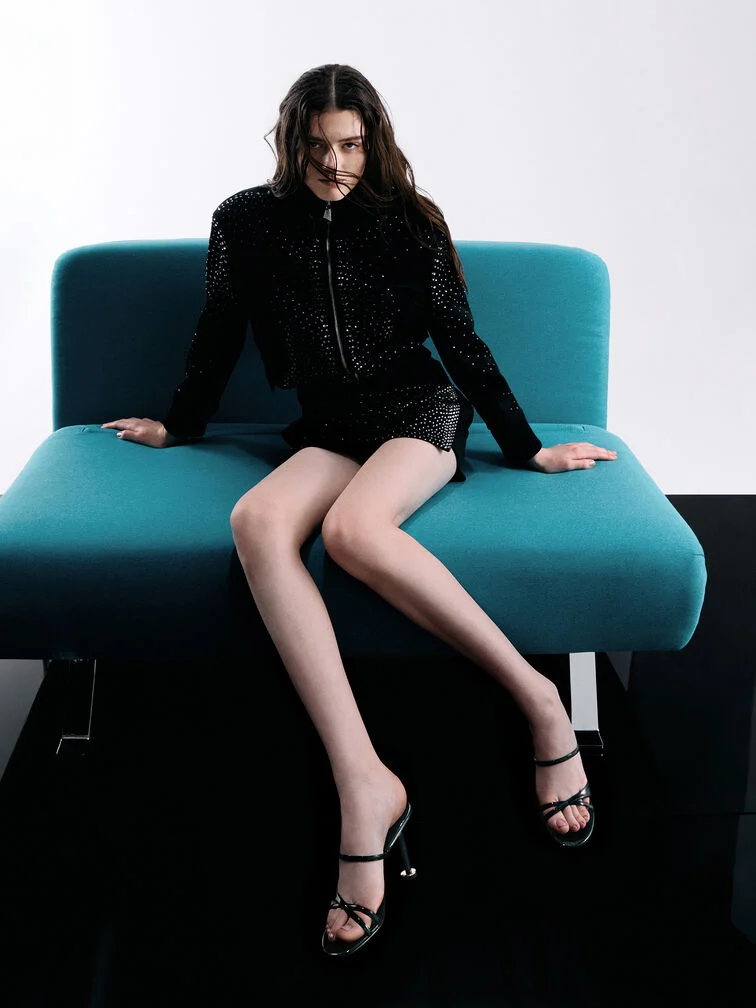
Mini Skirt + Barely-There Sandals: This combination works especially well with skirt co-ords, as it allows the legs to form a clean third. Barely-there sandals minimise visual interruption along the legs while subtly adding height.
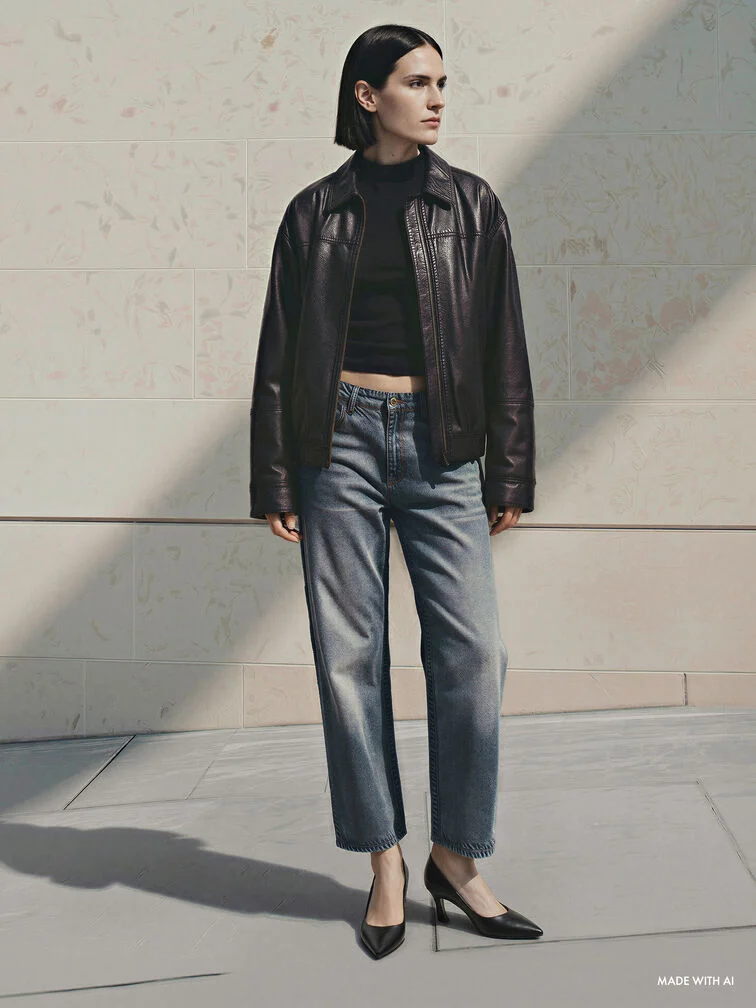
Cropped Pants + Stiletto Heels: Stiletto heels help elongate the lower two-thirds of the body, which can otherwise appear shortened with cropped silhouettes. Pair them with fitted or cropped tops to maintain balanced proportions across all thirds.
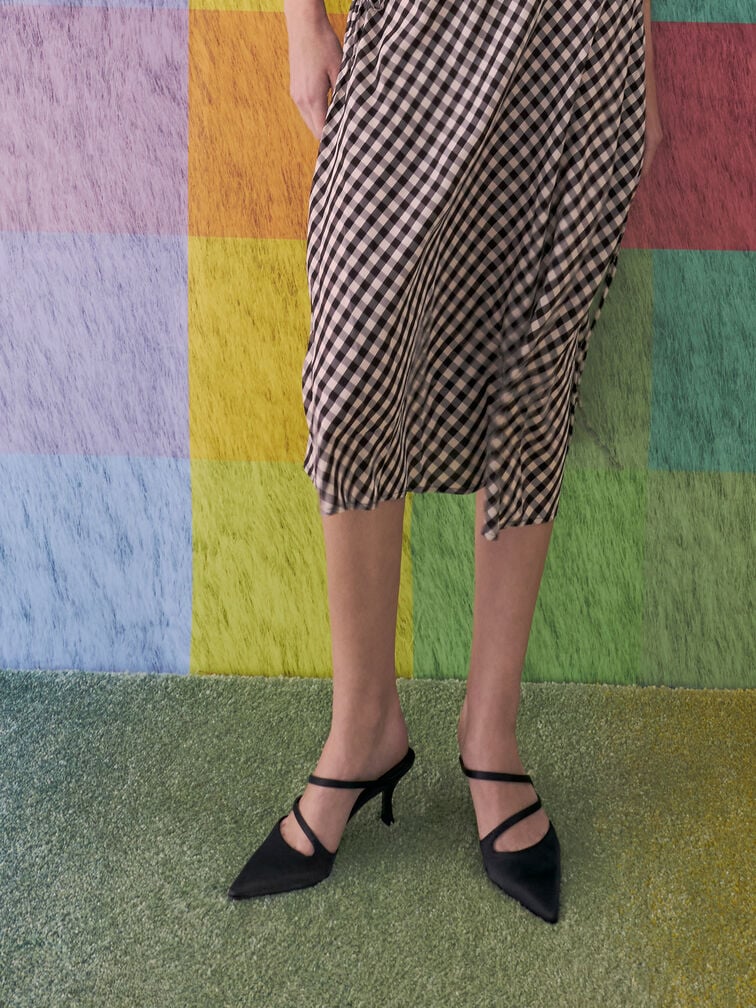
Midi Skirt + Pointed-Toe Strappy Heels: Midi skirts often cover two-thirds of the legs. Pointed-toe heels help elongate the exposed lower third, creating a more visually balanced proportion — especially since midi lengths tend to hit at the mid-calf, an otherwise tricky point.
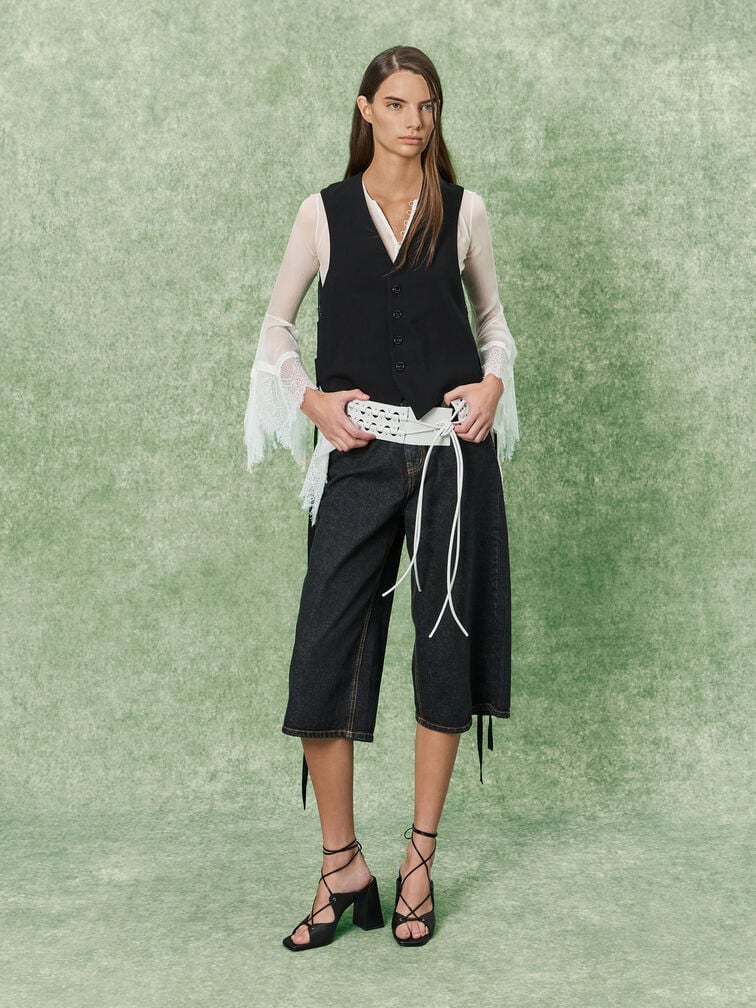
Jorts/Knee-Length Shorts + Strappy Heels: Because of their longer length, jorts paired with your top can make up two-thirds of your outfit. The exposed legs form the final third, so opt for light, airy heels. Chunky styles can compress your silhouette and make it feel heavy.
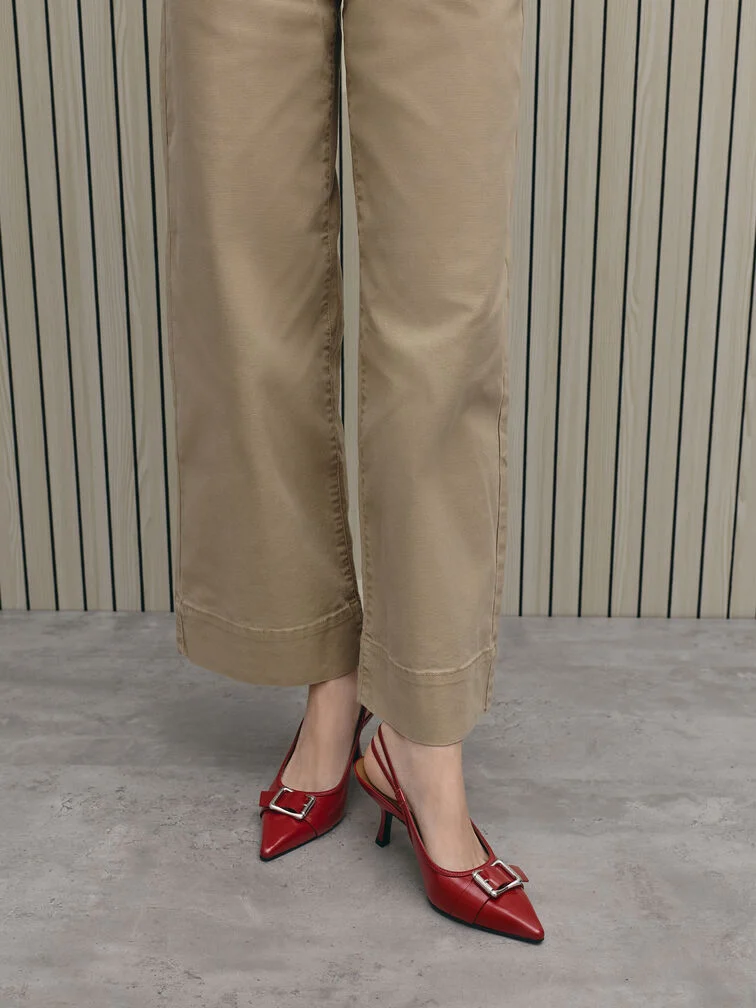
Straight-Leg Trousers + Contrasting Heels: The clean lines of straight-leg trousers create a neutral base that allows statement heels in contrasting colours to stand out. This pairing elongates the lower half while giving you more flexibility in your choice of top length. Avoid overly chunky heels, as they can create awkward proportions.
Avoid the following combinations:
- Ankle-strap heels with cropped pants, as they can visually shorten the legs by cutting them in half.
- Midi skirts with chunky, contrasting heels, which can make the lower half feel heavy and unbalanced.
- Heeled boots that meet the hem of your pants, creating a harsh split.
When in doubt, opt for stiletto heels with bodycon or form-fitting outfits. Their elongating effect enhances your silhouette, improves posture, and creates a sleek, flattering look. Conversely, chunky block heels pair best with relaxed silhouettes and flowy pieces, helping to ground the overall look and bring balance to looser shapes.
Want to learn more? Explore our comprehensive guide to styling different types of jeans with heels.
Pairing Heels with Bags
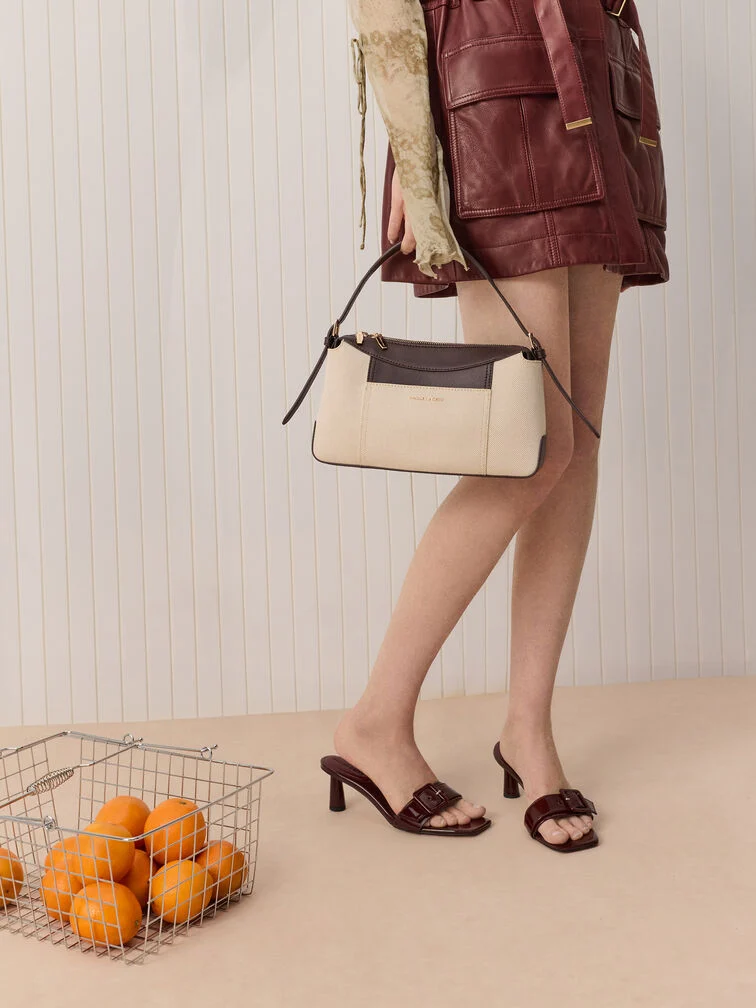
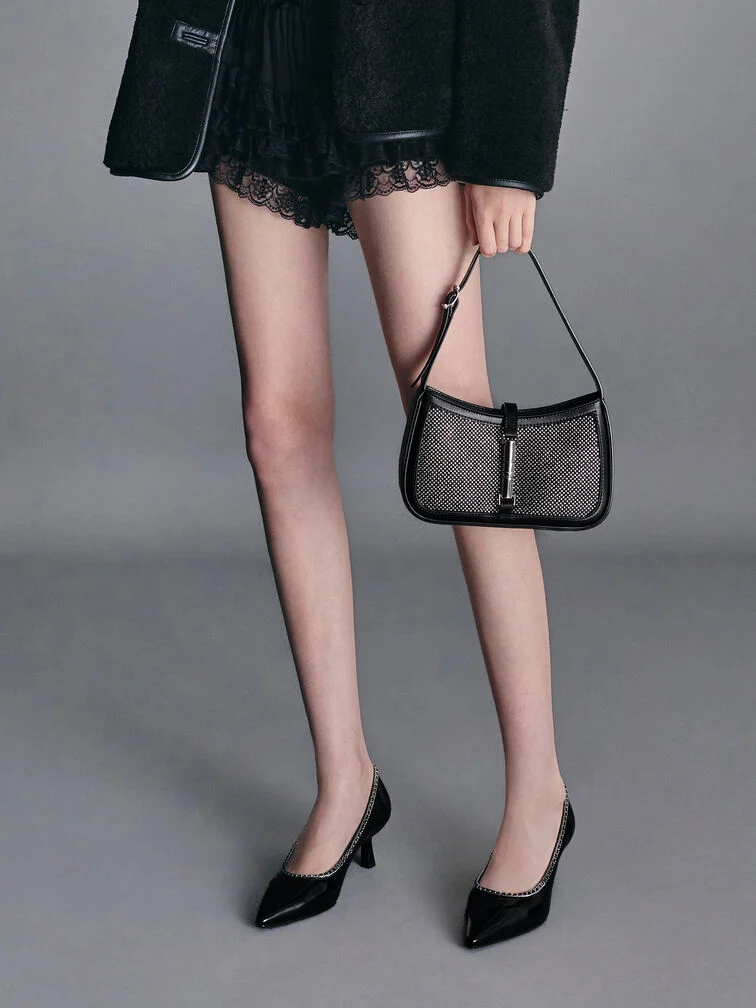
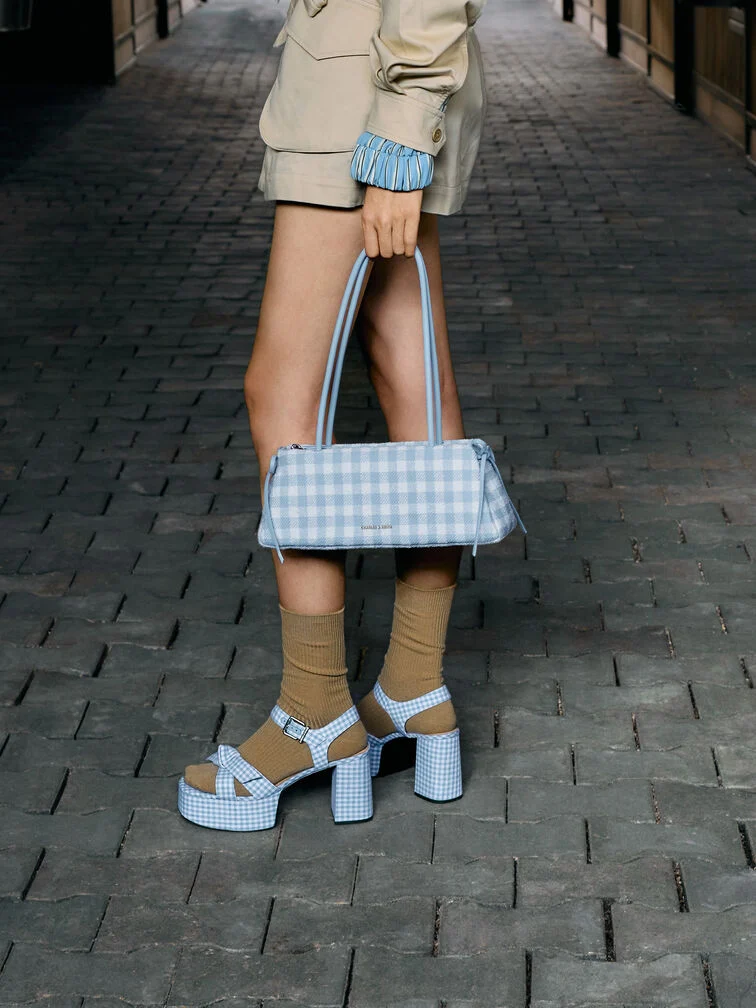
You can never go wrong with matching your bag and heels to create a cohesive, coordinated and refined look. This can be done through colour, texture, or even shared design details — anything that visually ties the two together works.
A classic example would be pairing brown heeled mules with a canvas bag featuring matching brown trims. Alternatively, take a more considered approach by styling patent leather heels with a gem-embellished purse for a glamorous after-dark look, or strappy sandals with a woven tote for a relaxed, off-duty summer vibe.
For work, stick to similar neutral tones and pair a structured top-handle bag with elegant loafer heels for a polished, professional finish.
Colour as a Tool
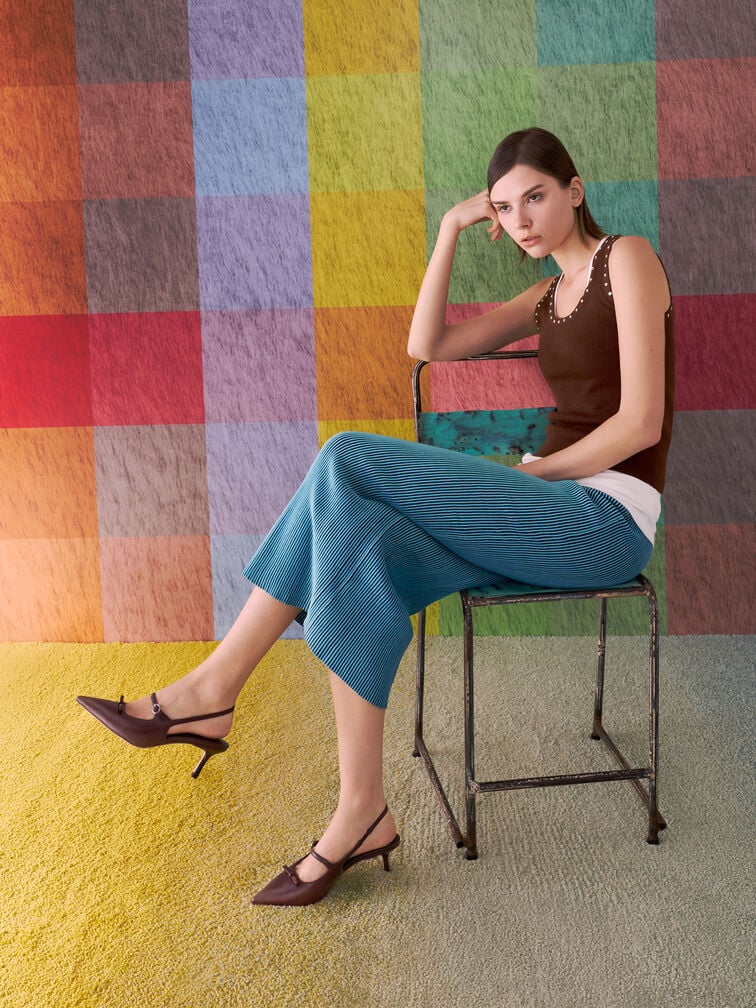
Colour can be a powerful styling tool when used intentionally. Light neutrals like white and beige will complement virtually any outfit, while darker options — such as black and navy — are easier to maintain, as they show less wear.
Want to be bolder? Metallics are a striking option that can be just as versatile as classic neutrals. Don’t shy away from bold colours either — they’re easier to style than you might think. For example, pick up on an accent already present in your outfit and pair it with similarly hued heels to create a cohesive look.
If there’s a colour of bottoms you tend to wear often, consider choosing heels in the same hue to help elongate the leg. By creating a continuous visual line, this simple technique enhances proportion and results in a more streamlined silhouette.
How to Care for and Maintain Heels
While our shoe care guide offers comprehensive instructions on maintaining your footwear, heels require a little extra care due to their elevated structure and concentrated pressure points.
Things to Note When Wearing Heels
Avoid wearing thin stiletto heels on rough or uneven surfaces such as gravel, cobblestones or grass. This can cause the heel shank — a key structural support component — to bend over time, compromising stability. If your heels start to feel wobbly or loose, stop wearing them immediately, as this may indicate damage to an internal nail or screw that could worsen with continued use.
Take the time to check for uneven wear on your heel tips after prolonged walking or time spent on hard surfaces. This may signal a gait issue worth addressing. It’s also important to rotate your heels regularly to keep each pair in optimal condition while supporting your foot health. Wearing the same pair consistently can force your muscles and joints into repetitive positions, potentially leading to strain over time.
Regular Maintenance Tips for Heels
An important tip — reiterated from our shoe guide, specifically the section on caring for individual shoe components — is to check your heel tips (the small rubber or plastic caps at the base of stiletto heels) regularly. Replace them as soon as they appear uneven or worn, as damaged heel tips can both scratch floors and compromise stability. Inspect the heel base, sides and back after each wear for scuffs, scratches or chips to stay on top of maintenance.
Regular, light cleaning goes a long way compared to occasional deep cleans. Always use the appropriate cleaning method for the heel’s material and finish (refer to our care guide). Wipe your heels down after each use to prevent dirt and dust from building up along edges, seams or decorative details. It is also advisable to rotate your heels rather than wear the same pair daily, as this helps reduce wear and tear on concentrated pressure points.
Storage Tips for Heels
The ideal way to store heels is upright, with enough space around them to prevent bending, folding or peeling caused by pressure or friction from other shoes. Keep them away from direct sunlight and high humidity to prevent damage, discolouration or distortion.
Use dust bags, boxes or dividers for heels made from fine materials or those with embellished details that may catch on other fabrics. For heels taller than 10cm, stuffing the toe boxes with tissue can help prevent creasing caused by the forward pitch of the shoes.
If you notice any faults, such as worn heel caps, loose stitching or damaged lining, seek professional repair promptly. Addressing issues early can extend the lifespan of your heels and keep them looking their best for years to come.
Frequently Asked Questions About Heels
What Is the Most Comfortable Heel Height?
Generally, the most comfortable heel height for daily wear is between 2.5 and 5 cm, offering a slight, supportive lift without placing excessive pressure on the balls of the feet. If you prefer a bit more height, a 5 to 7.5 cm heel provides additional elevation while remaining relatively comfortable and versatile. Anything beyond this range tends to compromise comfort and stability.
Which Heels Are Best for Prolonged Standing?
The best heels for prolonged standing are typically supportive styles such as block heels, wedges or kitten heels, which minimise pressure on the feet. Features like built-in arch support, cushioning and padding can also significantly enhance comfort.
If you don’t have narrow feet, opting for wider toe boxes can help reduce fatigue by allowing your feet more room to move. Additionally, choosing breathable materials like genuine leather and natural suede can help minimise sweat and discomfort throughout the day.
How Do I Choose Heels as a Beginner?
For beginners, it’s best to start with low block heels between 2.5 and 5 cm tall as they offer maximum stability and comfort. Opt for round or square-toe styles, as certain pointed-toe silhouettes can cause pinching and discomfort, especially during your first few wears. If possible, choose heels with ankle straps for a more secure fit, which can help build confidence while walking in them.
Always try on heels before purchasing to ensure a proper fit. Keep in mind that feet tend to swell throughout the day, so avoid pairs that feel too tight, or try them on later in the day for the most accurate fit.
In conclusion, heels have remained a fashion staple for centuries and continue to hold their place in modern wardrobes. While they offer a stylish boost in height, it is important to prioritise comfort and safety. By choosing the right heel height and fit, taking breaks when needed and maintaining good posture, you can enjoy wearing heels without compromising your well-being.
If you’ve found our styling tips and care advice helpful and are ready to put them into practice, explore our extensive range of women’s heels — designed for every mood, style and occasion — to find your perfect pair.