


How To Wear Dresses In Winter
Published on 14/10/2026Your favourite flowy dresses need not only be reserved for the warm spring-summer months. With the right styling approach, you can wear them through the colder months too. In this guide, we’ll look at how you can layer your dresses to create chic and cosy winter outfits, which types of shoes pair best with different dress silhouettes and the common mistakes to avoid when styling dresses.
What Makes Dresses Work in Winter
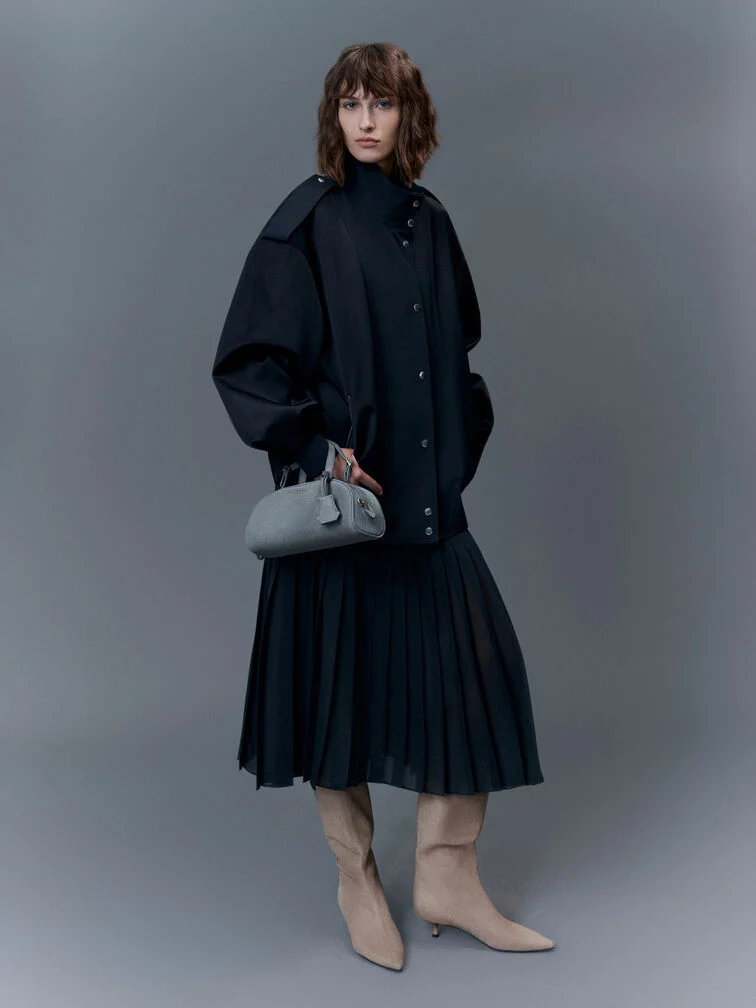
While dresses may not be the first thing you reach for when putting together a winter outfit, they are a fabulous choice for cold-weather dressing — your sartorial shortcut to looking polished and put together with minimal effort. They are also especially well suited for year-end, festive occasions, like Christmas parties and holiday gatherings, where a dressier look is typically expected.
Rather than the dress itself being unsuitable for the cold weather, it really comes down to how you build your outfit through strategic styling and layering. The dress is just one part of the outfit, and with the right layering pieces, you can wear almost any dress for winter.
How to Layer Dresses for Winter
In this section, we’ll look at the key layering principles that’ll help winter-proof your dresses.
Start with a Thermal Base Layer
The foundation of any winter dress ensemble starts with a thermal base layer. You’ll want a lightweight layer that fits snugly on your body to keep you warm without adding unnecessary bulk or changing the way your dress looks. Body-hugging thermal tops and fine-knit long-sleeve tops are great basics to start your layering with. For maximum versatility, we recommend choosing a thermal base layer in a neutral hue, such as black, beige, grey or off-white — they'll pair effortlessly with any dress of your choice. Whereas thermals in rich shades of burgundy or dark brown are perfect for introducing a seasonal pop of colour, especially when they peek out from underneath your dress.
Add Thermal Tights or Leggings
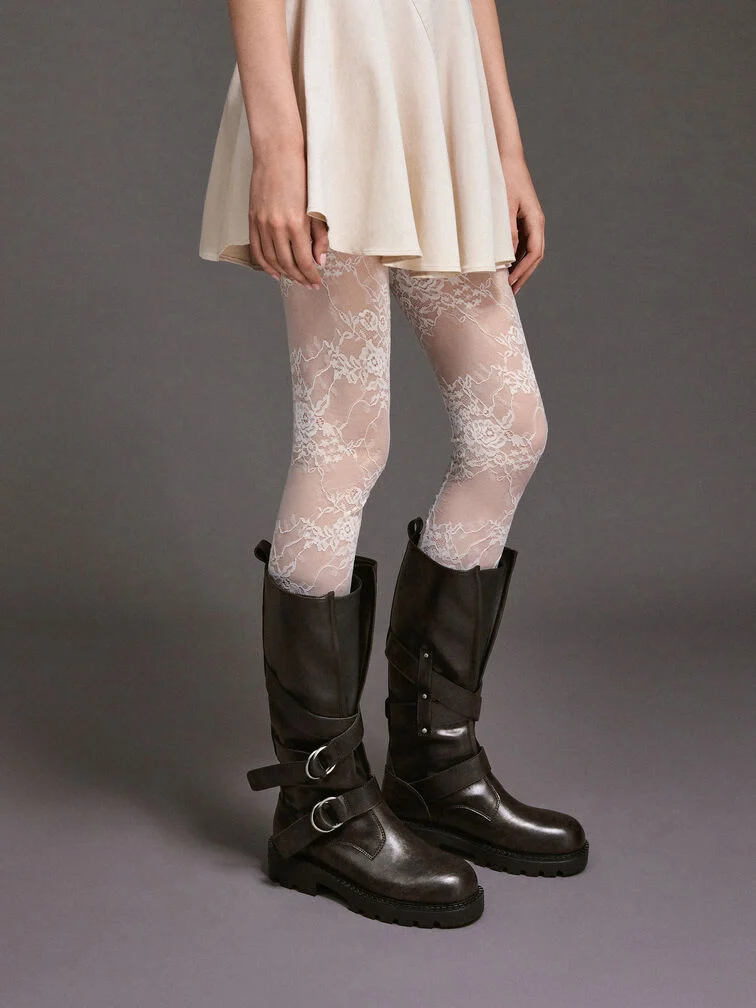
If you love wearing dresses in the winter, thermal tights or leggings are a must-have. They’ll keep your legs nice and warm without compromising on style. Classic black, nude and opaque tights will pair effortlessly with almost any dress, while patterned or sheer-lace designs add visual interest. For those who want to look chic in a mini dress, opt for fleece-lined tights. Offering more insulation than regular thermal tights, they’ll keep your legs wonderfully warm and cosy even on the coldest days. Simply slip on a pair of knee-high boots, and you’ve got a cool-girl, winter-ready look! For more ways to style them, explore our guide on what to wear with knee-high boots.
STYLE TIP
Do consider the colour pairing of your tights and shoes — whether your goal is to complement or contrast — the right combination pulls your entire look together, while a mismatched pairing can easily throw it off.
Layer Knitwear Under and Over the Dress
The next layer you’ll want to consider is the middle layer — typically worn over your thermal base layer and underneath or over the dress. From soft knitwear to oversized sweaters and cable-knit jumpers, this is where you can add personality and texture to your layered dress ensembles.
One of the most popular options is a fitted turtleneck sweater. Not only does it provide additional coverage around the neck area, but its streamlined silhouette also layers particularly well underneath sleeveless or low-neckline dresses, without taking anything away from the dress.
If you’re looking to layer your knits underneath your dress, ensure that your knitwear is relatively fitted to prevent your outfit from looking overly bulky. For chunkier knits and sweaters, it is best to layer them over your dress. Moreover, wearing a sweater over your dress creates the illusion of a two-piece ensemble, where your dress takes on the look of a skirt with the help of a sweater. You may also consider matching the colour of your knitwear to your dress for a cohesive cold-weather outfit. For tonal looks that feel fresh for the season, take style cues from our winter white outfit guide.
Complete the Look with Outerwear
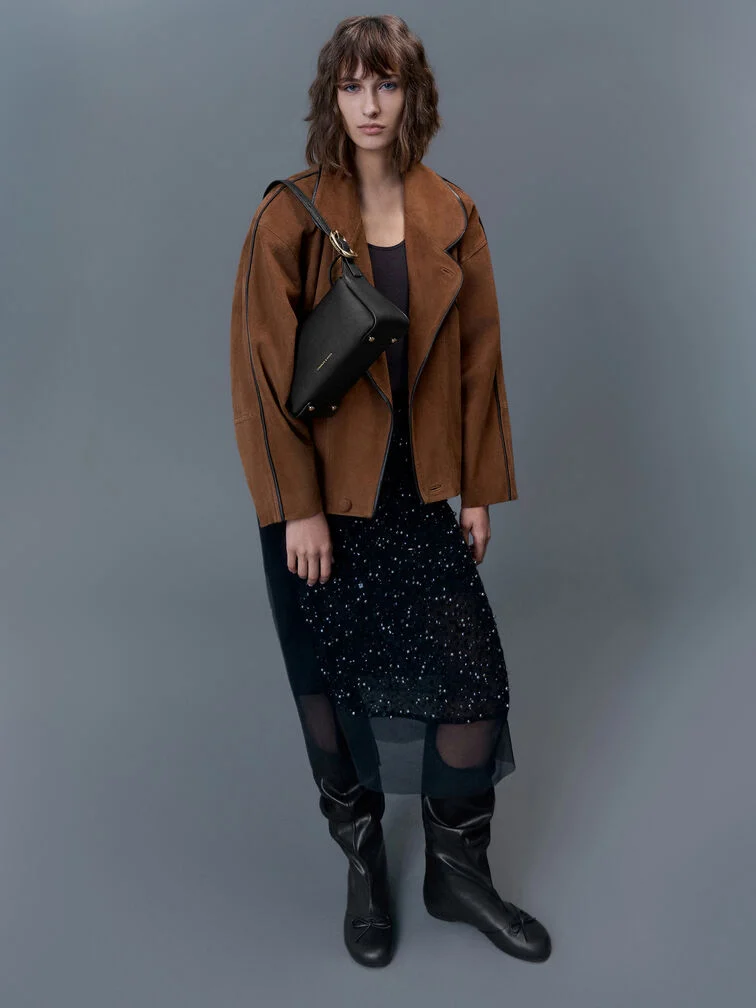
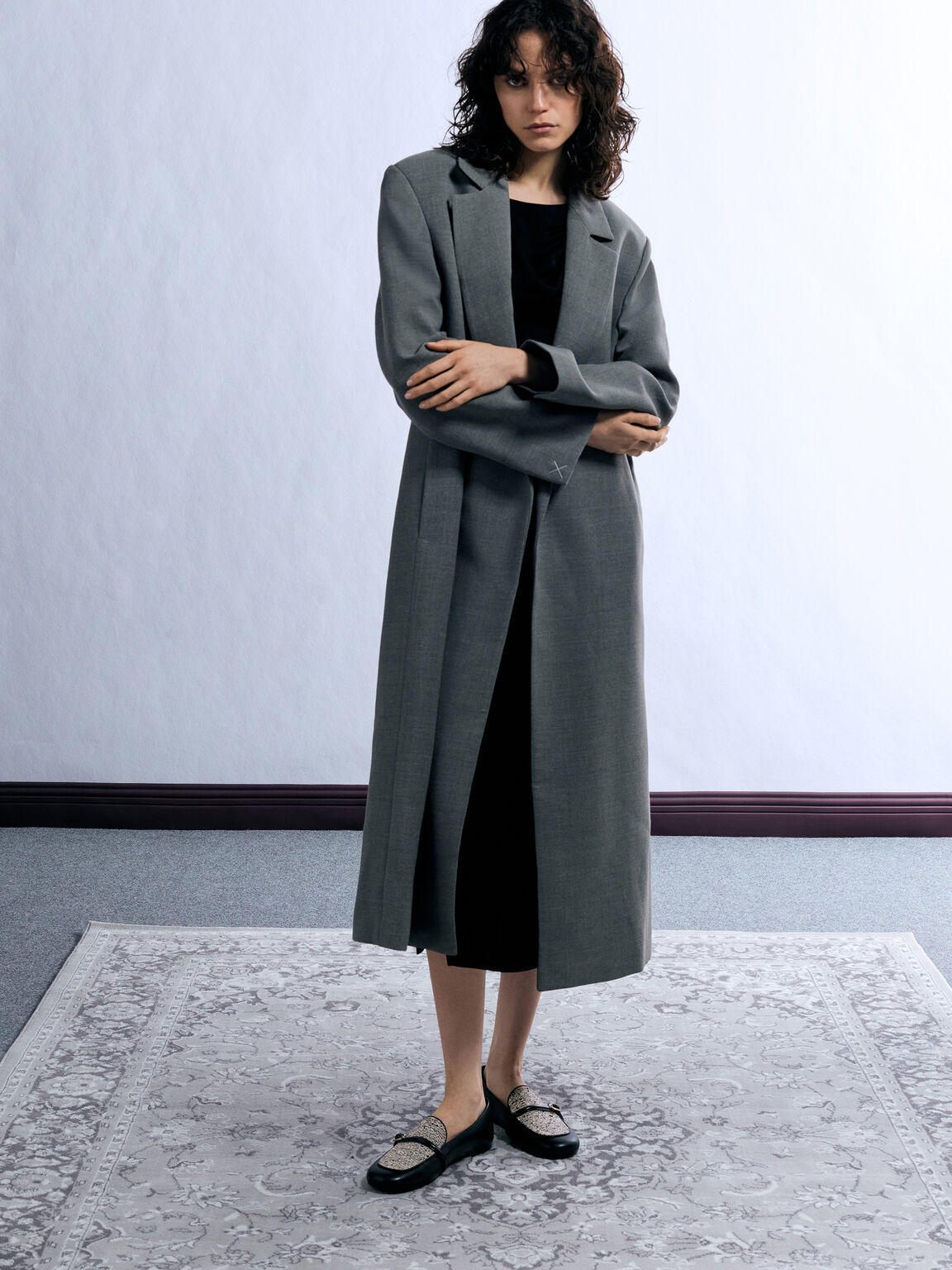
Last but not least, the outer layer — your winter outfit is not complete without outerwear. Whether in the form of a padded jacket, a longline tailored coat or a fabulous fur coat, the outermost layer provides heavy-duty protection against the low temperatures and cold winds while putting the finishing touch to your outfit. Your winter outerwear should always complement the overall aesthetic of your dress ensemble, rather than overpower it.
As a general guide, you can match the length of your coat to the length of your dress — for example, a longer dress with a longline coat, and a shorter dress with a cropped jacket. That said, long dresses also work beautifully with cropped jackets, as the shorter outer layer allows for more of the dress to remain visible.
For styling versatility, tailored wool coats are always a classic. They work well across a variety of settings, from smart-casual to dressier events. Whereas oversized and padded jackets are better suited for casual, everyday looks. For more formal occasions, consider a belted coat with fitted or structured dresses; this helps create a flattering waist definition while still letting the design of the dress take centre stage.
How to Choose Dresses for Winter
When it comes to choosing your dresses for winter, you’ll want to choose styles that are appropriate for the cold weather.
Choose Warmer Fabrics
The fabric matters — and in general, the thicker the fabric, the better. Fabrics such as wool, wool blends, knits and cashmere trap heat better, keeping your body warm for longer while creating a cosy, winter look that is perfect for the season. For the most part, we recommend avoiding extremely lightweight or breathable materials such as chiffon, linen or thin cotton. This does not mean you can’t wear your favourite summer dresses — even a sheer dress can carry you through the colder months when paired with ultra-warm layers — you’ll just need to be more intentional with your layering to ensure that you are adequately protected from the cold.
Consider The Dress Length and Silhouette
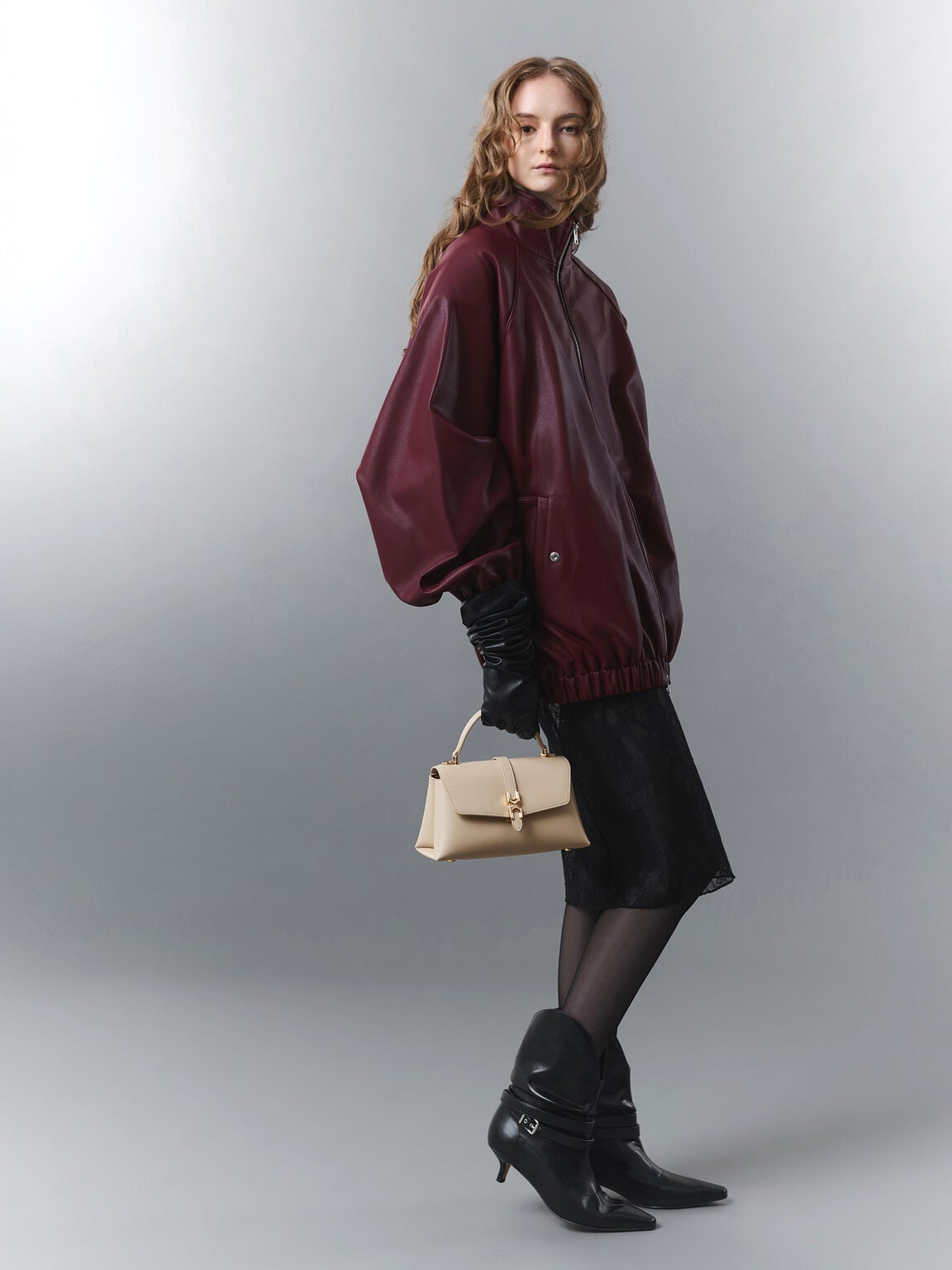
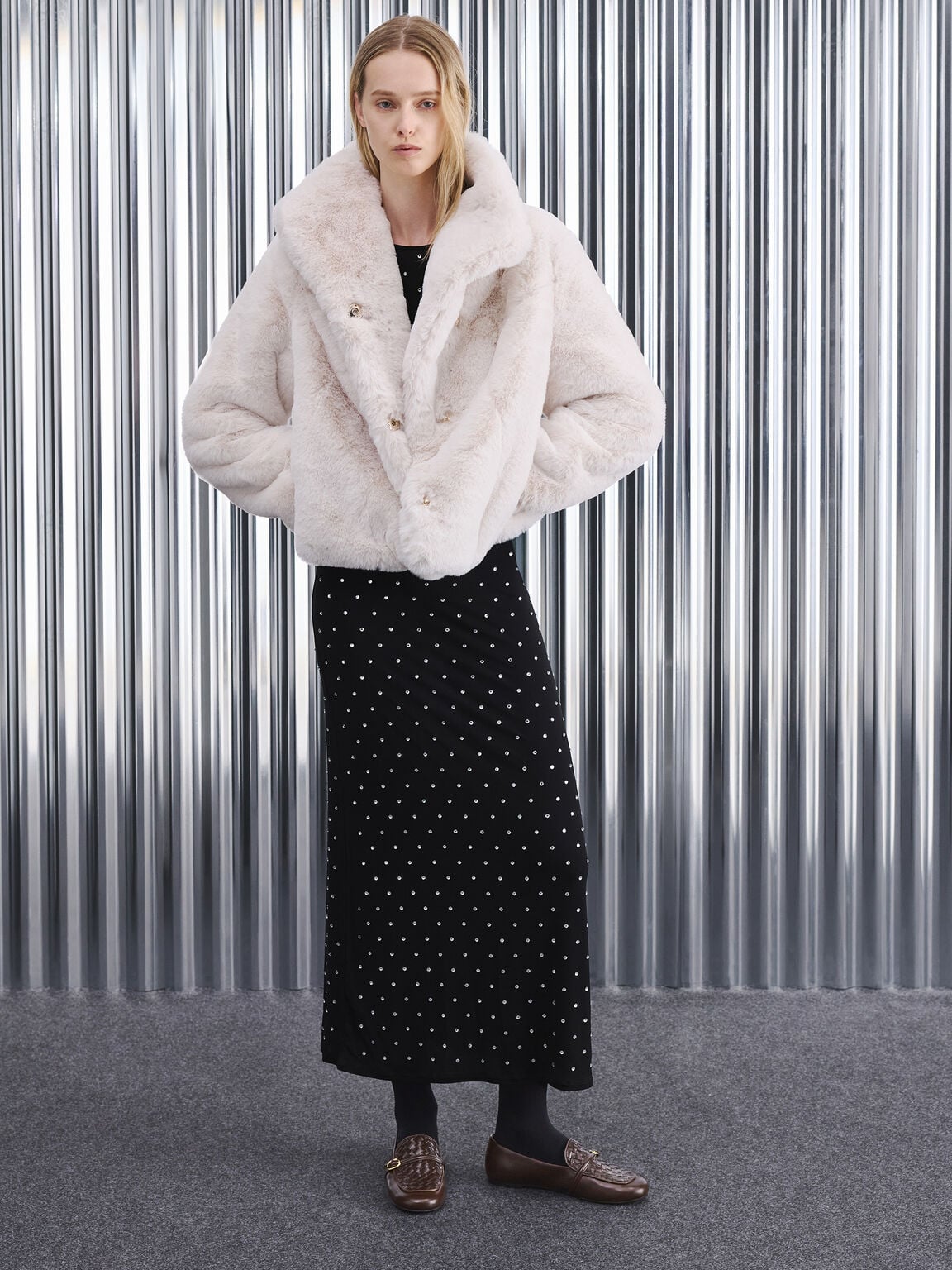
The dress length and silhouette also play an important role. It determines how much of the dress remains visible after layering, as well as how much room you have to layer underneath the dress.
Longer dresses such as midi and maxi dresses are a sensible choice for the cold weather. Thanks to their longer hemlines, they immediately offer more coverage, making them easier to adapt and style for winter. Mini dresses, with their shorter hemlines, require more layering pieces to keep you warm and protected, but they are a great option for showing off your tights-and-shoe pairing. Not sure where to start? Read our guide on the best shoes to wear with dresses.
In terms of silhouette, loose-fitting styles such as shift, A-line or dungaree-style dresses are some of the easiest to layer, as their roomier fit offers more space for a base layer and knitwear underneath. More fitted dresses require fitted base layers, with little room to layer underneath. But this also means that you can layer your favourite chunky sweater over the dress without looking bulky.
How to Complete Your Winter Dress Outfit
Put the finishing touches to your winter dress outfits with shoes and accessories.
Choose the Right Footwear
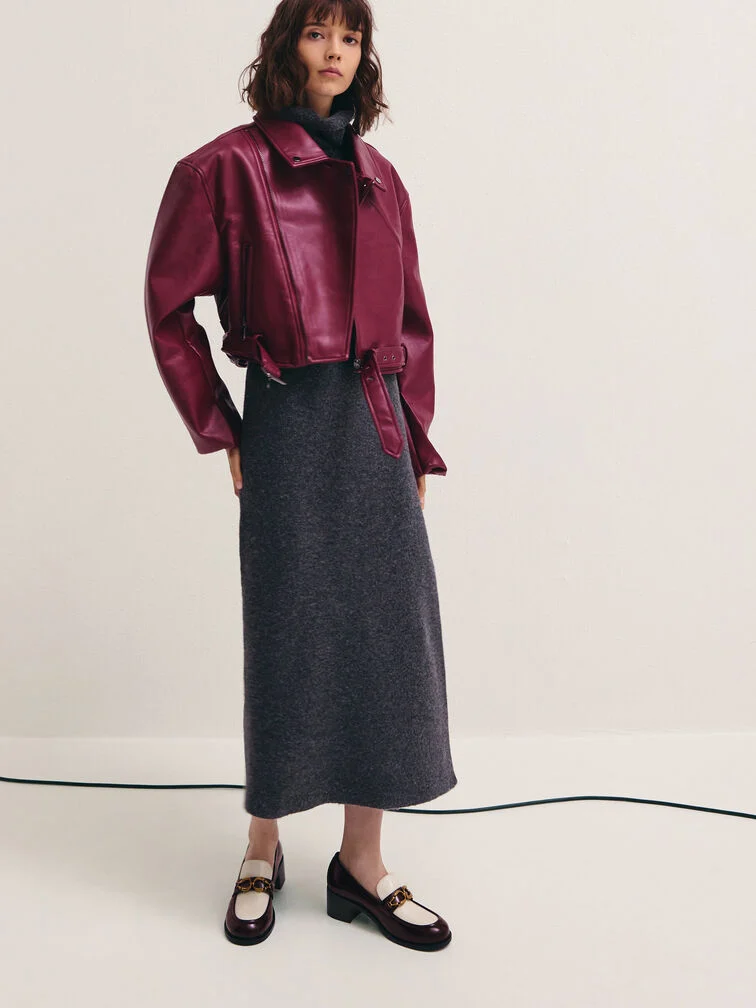
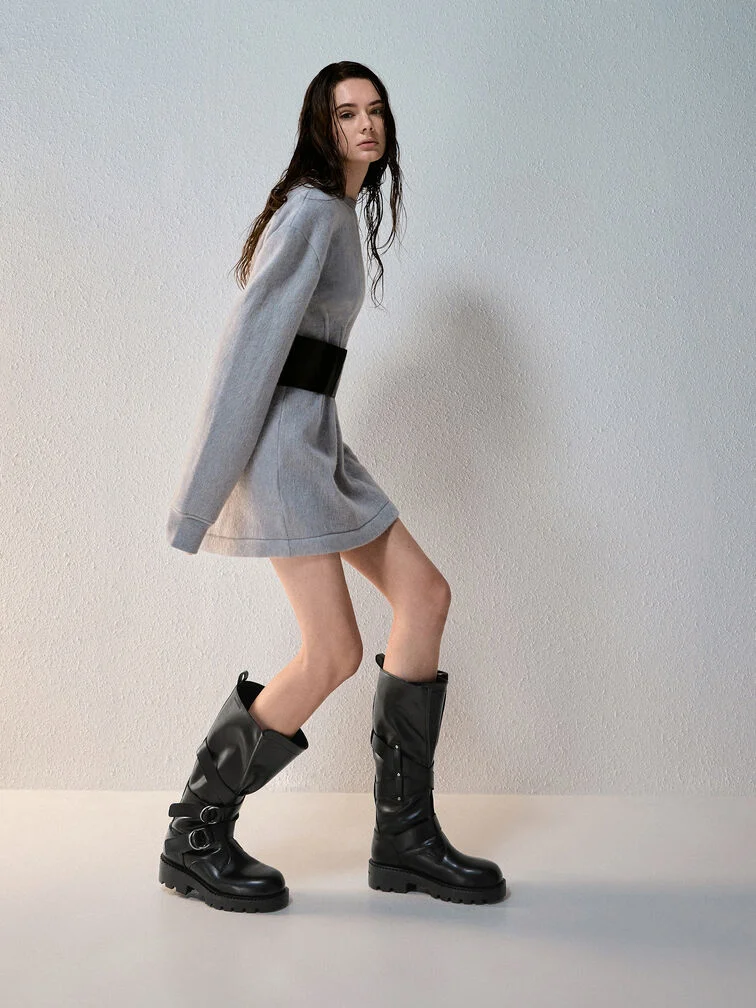
The shoes you choose to wear with your dress can instantly transform the look and mood of your winter outfit. But whatever your shoe of choice, it is most important to consider the terrain and weather conditions you’ll be exposed to. Think: icy pavements and slippery surfaces. So, you’ll want to prioritise functional footwear that offers good grip and traction, and save your high-heeled shoes for short outdoor trips or indoor events.
Boots are a winter style staple. Their higher shafts provide more coverage and protection from the cold, plus they can easily be dressed up or down depending on the style.
Boots (By Type and Hemline):
- Ankle boots pair particularly well with maxi dresses, as the longer hem already provides plenty of coverage, so there is no need for longer shafts to protect your legs from the cold.
- Calf boots are a great match for midi dresses, particularly styles that end around the mid-calf area. They help close the gap between the dress hemline and boot shaft for a more seamless look.
- Knee-high or thigh-high boots work best with mini dresses, offering maximum coverage against the cold while creating striking yet well-balanced proportions.
Non-Boots Options:
- Mary Janes and ballet flats offer a softer, more feminine aesthetic as compared to boots. These classic shoes are especially well suited to dressier occasions. On colder days, simply wear them with tights or thicker socks to stay warm.
- Sneakers bring an off-duty, laid-back vibe to your winter dress outfit, making them ideal for weekends and everyday settings. Pair them with ankle socks or tights to keep warm.
- Loafers offer a more polished alternative to boots and sneakers. They are particularly well suited for the office and other smart-casual occasions. Similarly, you can pair them with tights or thicker socks on colder days.
STYLE TIP
Complete your cosy winter dress outfits with suede shoes — they bring a soft, seasonal touch to your cold-weather looks.
Dress for the Occasion
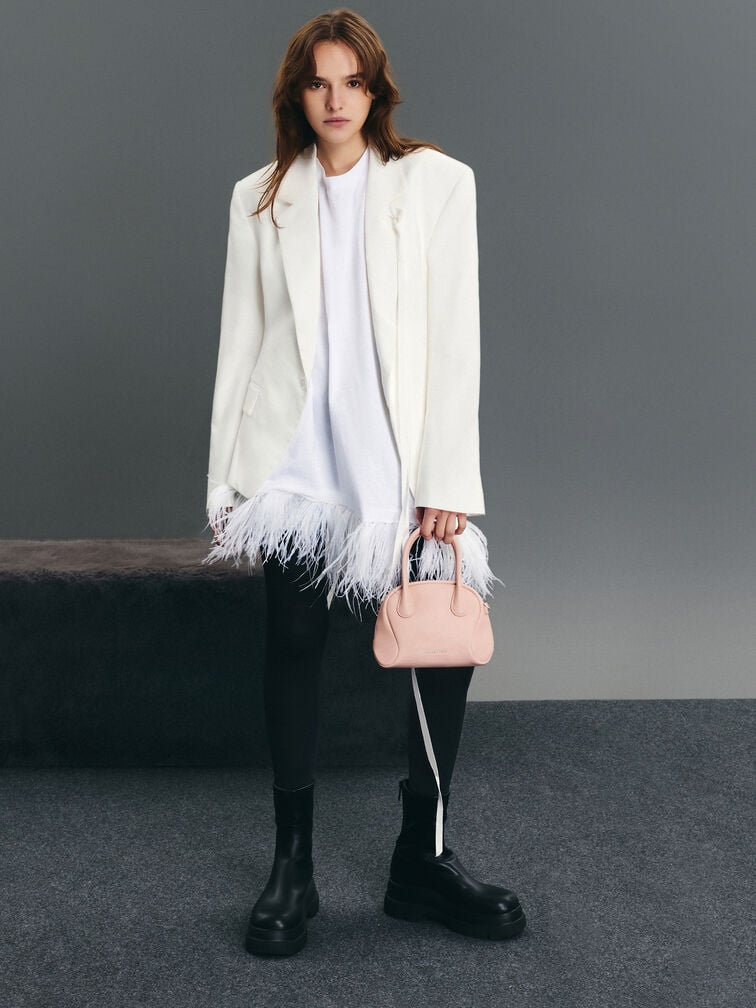
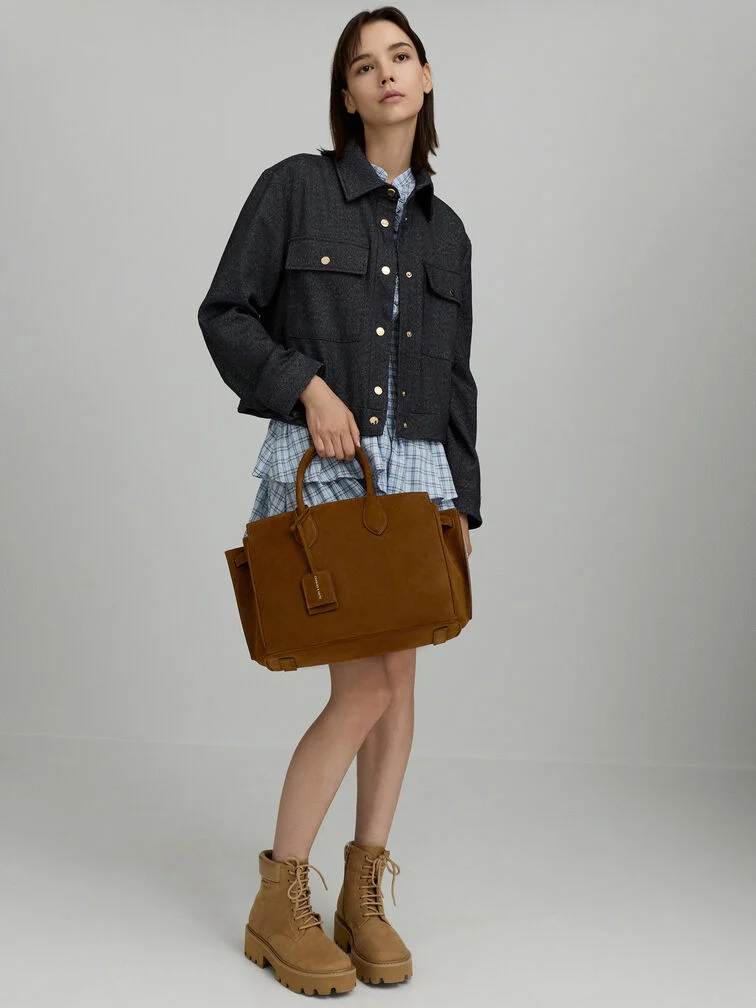
Depending on your dress of choice and how you style and accessorise it, you can wear dresses for a variety of occasions. Typically, shorter dresses are better suited for casual daytime events, while longer styles, such as floor-length maxi dresses, are more appropriate for formal and evening occasions.
For a chic casual look, layer a cropped jacket over a mini dress. Complete the outfit with a soft suede bag and matching suede ankle boots for an effortlessly cool, off-duty vibe. For a party-ready look, consider a statement midi dress layered with thermal tights and finished with a tailored blazer. Opt for a structured top-handle bag and heeled boots for a polished finish, or embellished Mary Janes for a dressier look. Don’t forget to accessorise with jewellery — necklaces, earrings and rings — as they can take your outfit from good to glam.
Common Mistakes to Avoid When Wearing Dresses in Winter
When it comes to layering dresses for winter, it’s easy to end up with a frumpy or unbalanced outfit. Here are some of the common styling mistakes to take note of.
- Under- or over-layering: Balance is key. Wearing too little will leave you shivering in the cold, while piling on the chunky pieces can make your outfit look frumpy and feel restrictive. Instead, start with lightweight thermal layers and build on them with knitwear and outerwear as needed.
- Ignoring proportions: With multiple layers involved, it is easy for the silhouette of your dress to get lost. If you are wearing a loose or voluminous dress, balance it with more fitted knitwear or structured outerwear. Conversely, a fitted dress can be paired with an oversized knit top or looser jacket for contrast. You’ll also want to consider the length of each layer to ensure the overall proportions of your outfit remain well balanced.
We hope this guide has provided useful tips on how you can wear your favourite dresses for the winter season. Through thoughtful layering and the right shoes, you can create chic and cosy dress ensembles that will also keep you warm.