


Everything About Heels: Heights, Shapes, and Styles
Published on 20/04/2026Heels come in an array of heights and shapes, and can be found across a diverse range of shoe styles. With so many options, finding the perfect pair can be a challenge. To guide your search, we have categorized heels by height and shape, detailed the key characteristics of each, and provided recommendations on how to style them. We hope that by understanding how these heels influence your look and feel, you will find the perfect pair to suit your style, needs, and preferences.
Heel Types At A Glance
| Heel Type | Key Characteristics & Feel | Comfort Level | Best For |
|---|---|---|---|
|
Kitten Heels |
Low, slender heels that distribute weight more evenly to reduce foot strain. |
★★★★☆ |
Beginners, office wear, all-day comfort. |
|
Stiletto Heels |
Ultra-thin heels that concentrate pressure on the forefoot with minimal stability. |
★☆☆☆☆ |
Formal events, evening wear. |
|
Slingback Heels |
Heels featuring back straps for support, though they offer less security than closed styles. |
★★★☆☆ |
Office to evening wear, versatile day-to-night styling. |
|
Platform Heels |
High heels with raised front soles that decrease heel incline and reduce arch pressure. |
★★★★☆ |
Parties, glamorous looks, statement outfits. |
|
Wedge Heels |
Full-length heels that distribute weight evenly across the foot for added stability. |
★★★★☆ |
Casual wear, festivals, summer outfits. |
|
Block Heels |
Heels with a wide base that improve balance and reduce pressure points. |
★★★★☆ |
Long hours, work, smart-casual looks. |
|
Heeled Mary Janes |
Heels with instep straps that enhance the fit and keep the foot secure. |
★★★★☆ |
Casual, feminine, academia-inspired outfits. |
|
Heeled Boots |
Enclosed design providing structure and ankle support. |
★★★★☆ |
Fall/winter, wet weather, everyday wear. |
|
Heeled Sandals |
Open design with minimal coverage that can create pressure points even at moderate heights. |
★★★☆☆ |
Warm weather, vacations, casual outings. |
|
Heeled Mules |
Backless design that reduces stability, especially as heel height increases. |
★★☆☆☆ |
Casual wear, effortless styling. |
|
Pumps |
Closed-toe heels that stabilize the foot through structured coverage. |
★★★★☆ |
Office, formal, and business settings. |
In the sections below, we will discuss heeled shoes of various heights, shapes, and styles in detail.
Types of Heel Height
Heels come in a wide spectrum of heights. In this section, we will delve into the specifics of four types of heel heights—kitten heels, mid-height heels, high heels, and platform heels.
Kitten Heels
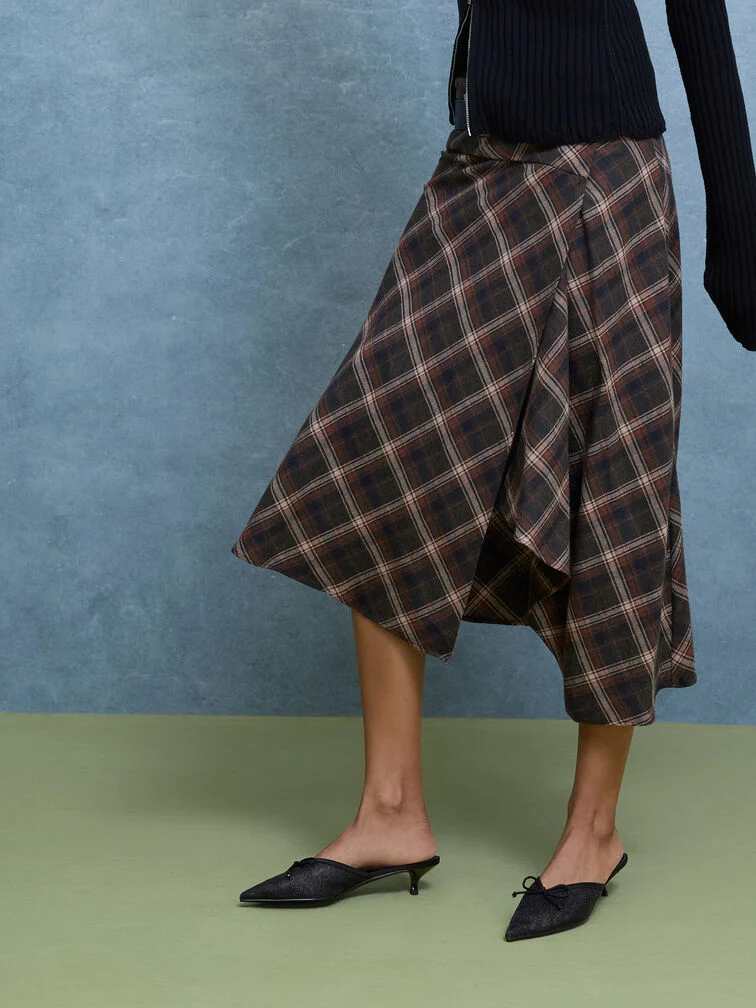
Short and slender, kitten heels are typically 1 to 2 inches tall and often feature a curved silhouette set slightly inward from the back of the shoe. They are a favorite for those who want a flattering lift without the physical strain associated with higher heels. Often called "training heels," these low and dainty designs are popular among beginners because they are easy to walk in while remaining polished and elegant. With a distinct '90s aesthetic, kitten heels offer a perfect balance of femininity and practicality—making them a versatile choice for almost any occasion.
Discover more in our in-depth guide to kitten heel styles, types, and outfit styling tips.
Mid-Height Heels
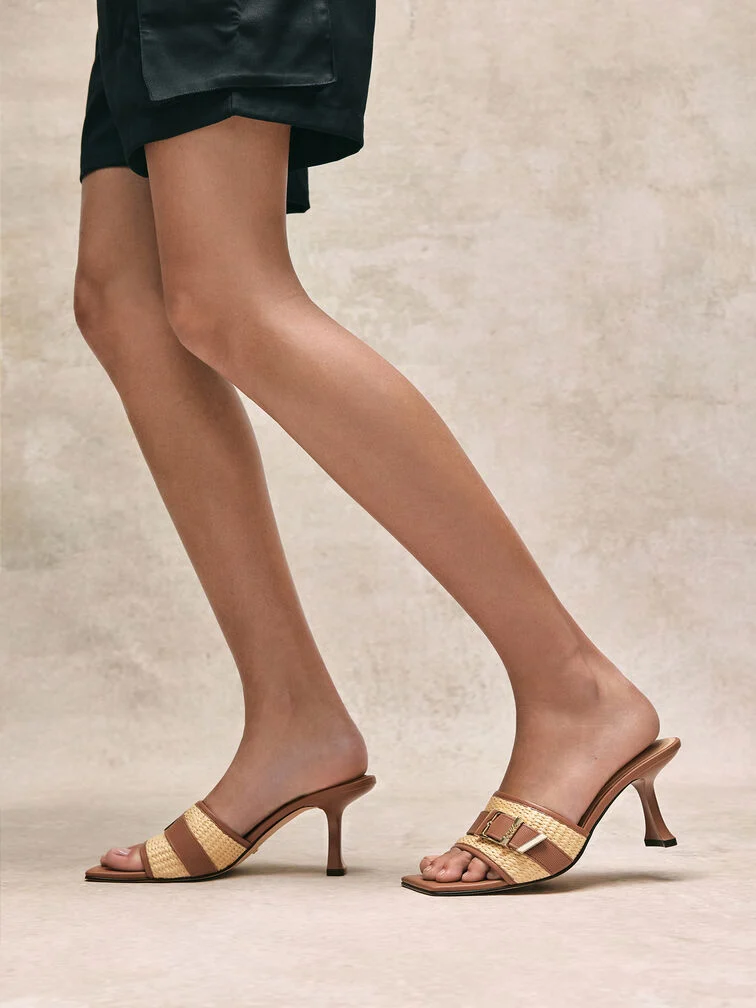
Usually standing at 2 to 3 inches, mid-height heels are considered the gold standard for office and formal wear. Known as the "classic pump" height, they are favored for everyday use as they create a noticeable but moderate arch, elongating the leg without sacrificing balance or comfort. Occupying the sweet spot of the heel spectrum, they are high enough to elevate your look but low enough to maintain a natural gait. These sensible heels are excellent all-day shoes, providing comfort for hours while transitioning seamlessly from business meetings to dinner dates.
High Heels
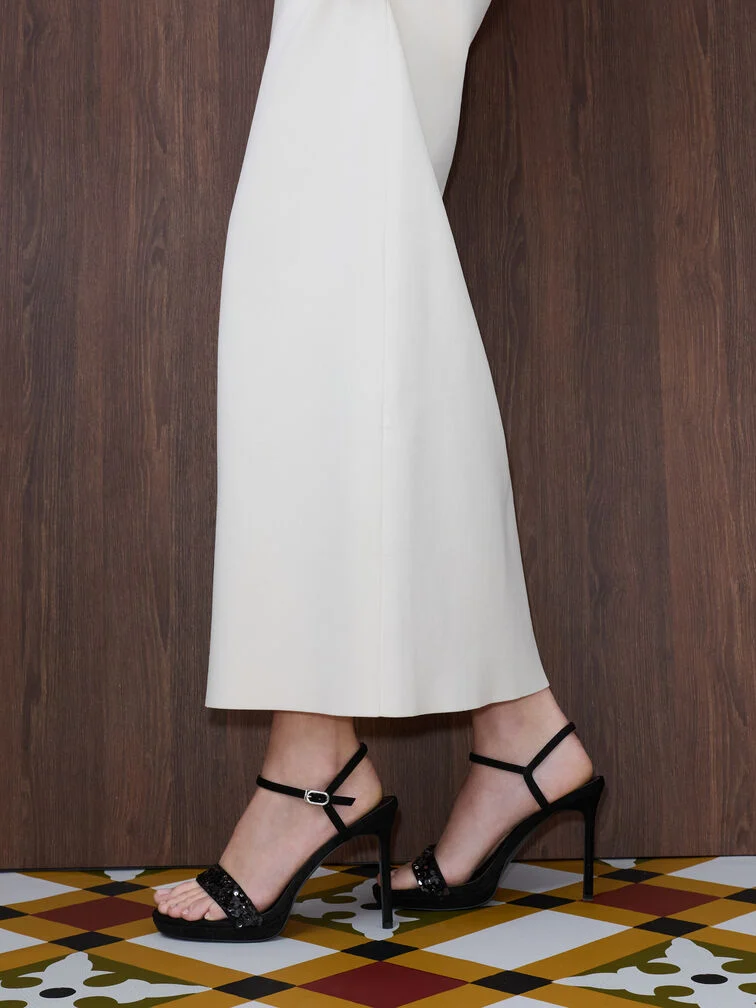
Heels exceeding 3 inches are generally classified as high heels, with some towering designs reaching 4 inches or more. This elevation puts the foot on a steeper incline, shifting the wearer's center of gravity. This shift emphasizes calf muscles and leg lines while naturally drawing the shoulders back, resulting in a more poised and confident posture. These benefits make high heels a popular choice for formal events and special occasions. A symbol of power and glamour, high heels are the go-to when you want to stand out and make an impact.
Platform Heels
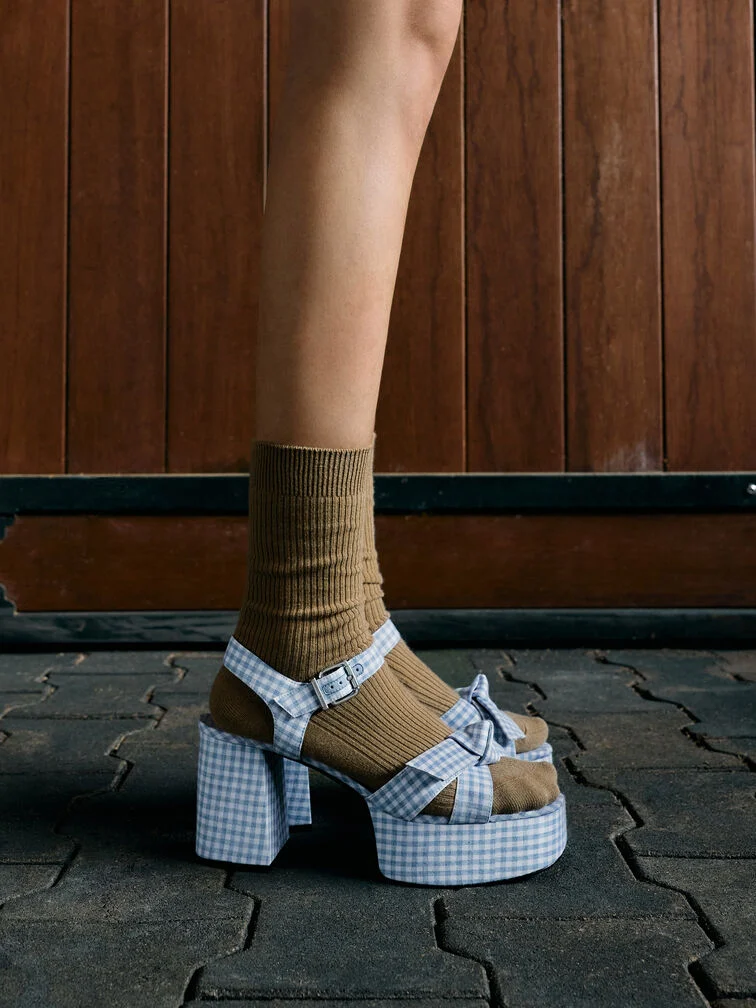
A platform heel typically exceeds 6 inches in height and features a thick sole under the front of the foot. The heel itself must be higher than the platform to maintain the downward incline. This front sole effectively reduces the slant, making the shoe significantly more comfortable for extended wear—a 12 inches heel with a 2 inches platform feels more like a 6 inches elevation. The combination of extreme height, stability, and comfort makes platform heels a popular choice for high-fashion moments and nights out. Their bold, architectural aesthetic makes them the perfect statement piece to anchor any outfit.
Types of Heel Shape
The shape of a heel can dramatically change the aesthetic of a shoe. In this section, we discuss the characteristics of various heel shapes and identify the best occasions for each.
Stiletto Heel
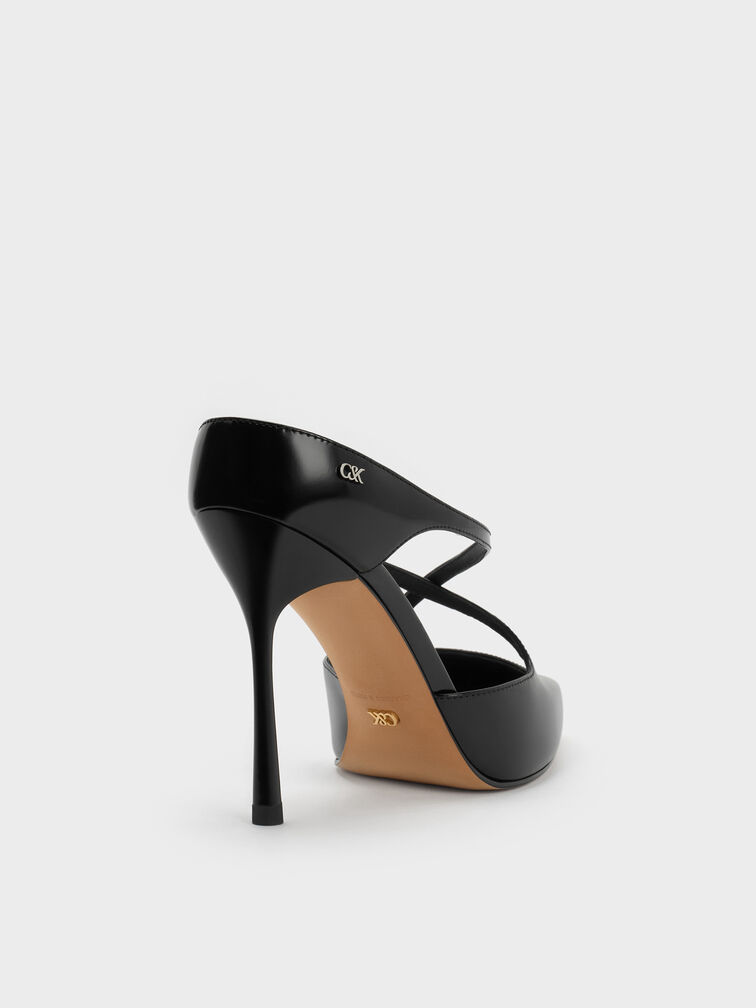
The term "stiletto" refers to a knife or dagger with a slender, pointed blade. Fittingly, stiletto heels are thin, tapered, and come to a sharp point at the base. They are typically very high, usually standing 3 inches or taller. While widely considered a fashionable, glamorous choice, they can be more challenging to walk in than wider-based heels. Stiletto heels offer a leg-lengthening effect and add a bold, sharp edge to any ensemble. These traits make them the perfect choice for occasions where you want to project power and confidence, such as black-tie galas, red-carpet events, or high-stakes business meetings.
Block Heel
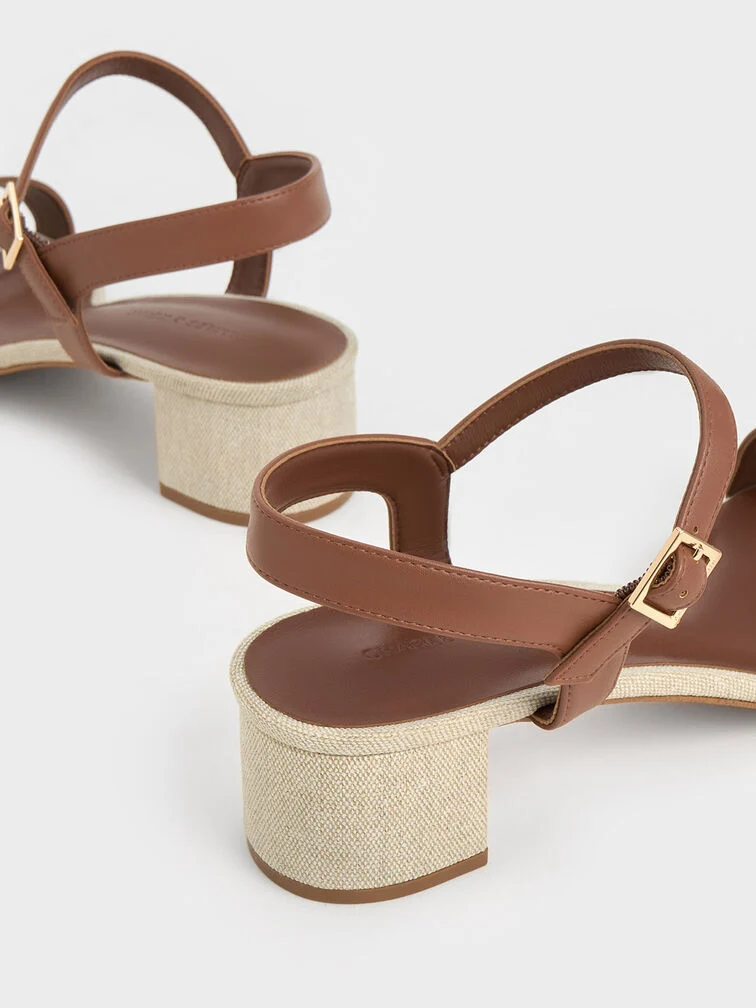
Block heels feature a wide, substantial base. They come in various shapes—rectangular, cylindrical, and trapezoidal are the most common. Found on everything from sandals to pumps and boots, they are practical for daily wear because their chunky construction ensures even weight distribution and enhanced balance. The clean-lined design gives them a modern, effortless vibe, serving as the "cool girl" alternative to stilettos. Comfortable enough for busy days on your feet, they are ideal for commuting, long office hours, or outdoor events where walking on uneven surfaces like grass is required.
Cylindrical Heel
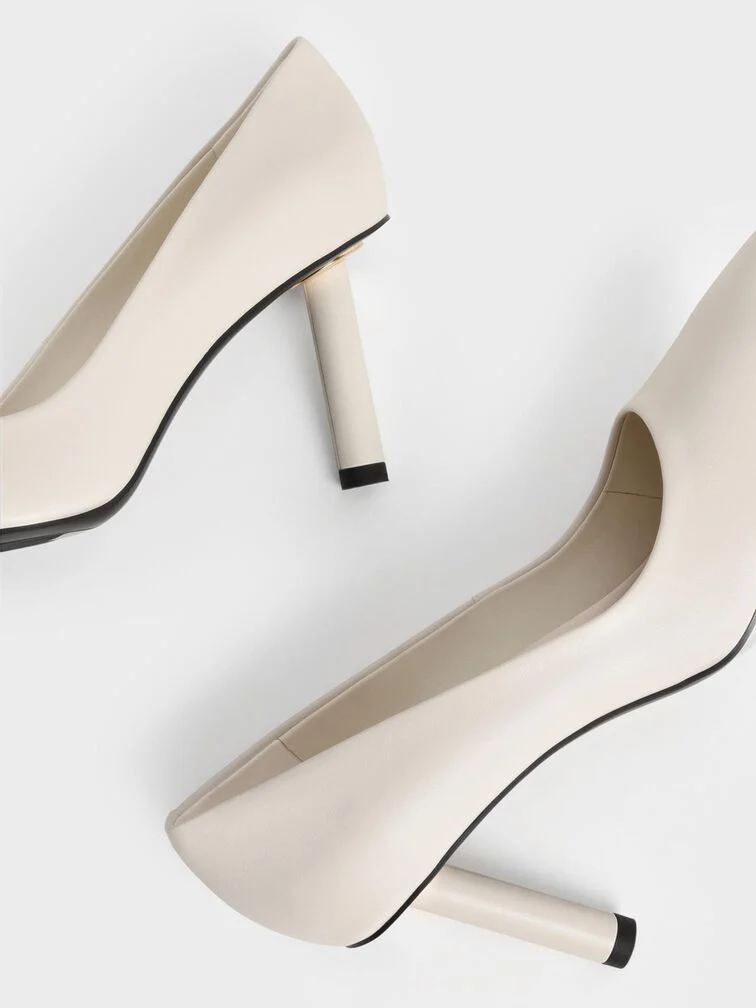
As the name suggests, the cylindrical heel is a perfectly rounded column, resembling a pillar. It offers unique 360-degree symmetry and a curved silhouette that lends an air of fluid, polished sophistication. With a minimalist and contemporary aesthetic, these heels appeal to those who appreciate striking, architectural construction. They are ideal for art gallery openings, creative office environments, or dressy date nights.
Cone Heel
A cone heel features a wide circular top that tapers to a narrower point—visualize an ice cream cone. This triangular silhouette creates a sturdy connection to the body of the shoe. Cone heels have a playful, feminine vibe with a touch of bohemian flair. Offering good stability and comfort, they are a great option for off-duty looks or relaxed workwear, and can be used to add a soft touch to edgy denim styles.
Flare Heel
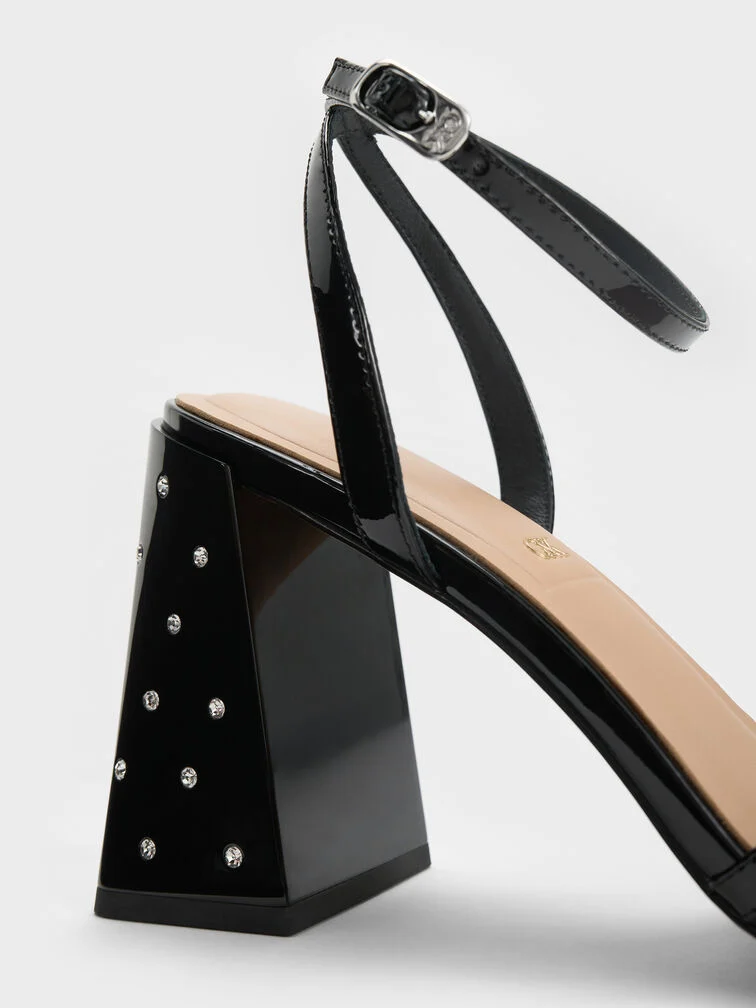
Emerging in the 1970s, the flare heel remains a popular choice today. Characterized by a slim top that flares out into a wider base, it combines the elegance of a thin heel with the stability of a block heel. While eye-catching at any height, high flare heels (3 inches and above) are particularly striking, adding a dramatic flair that elevates any look. These heels feel more fashion-forward than a standard block heel, making them perfect for trend-driven or editorial ensembles. However, they can also be dressed down for everyday wear—pair them with wide-leg trousers for a sharp, professional look.
Sculptural Heel
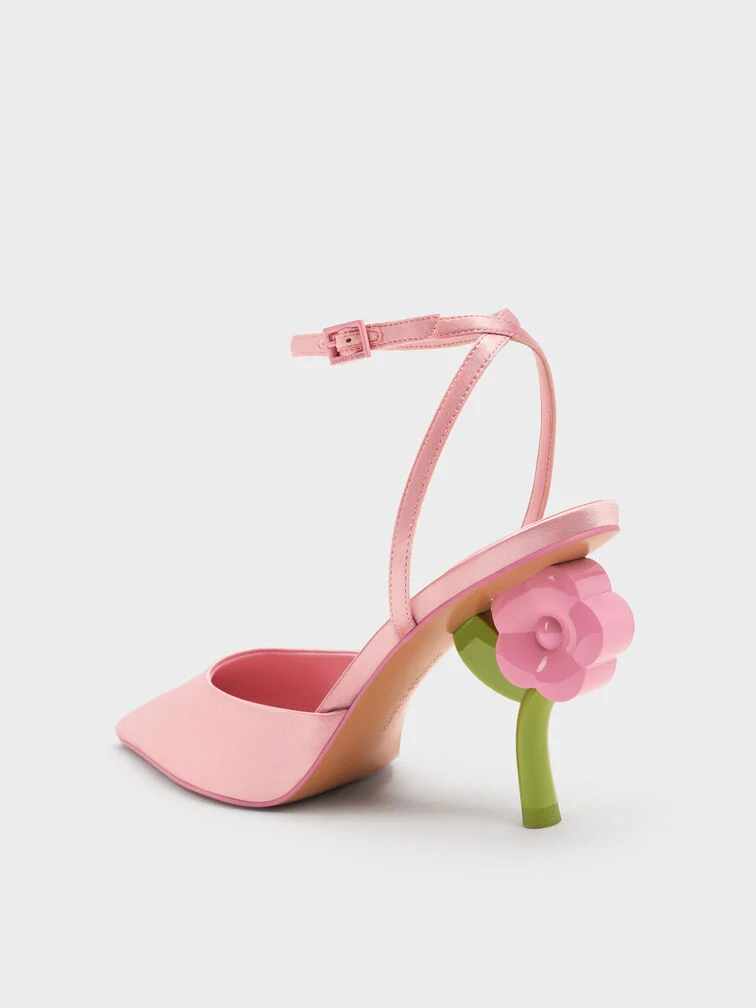

Sculptural heels are where creativity thrives. These are heels designed with non-traditional, decorative, or geometric forms—such as spheres, stacked cylinders, or abstract hardware—that deviate from standard silhouettes. Often resembling pieces of art, these heels are typically the focal point of the shoe. Whether made of wood, metal, or other materials, they add an avant-garde touch to any outfit. While not always the most comfortable choice, they are the go-to for serious trendsetters looking to make a statement. Perfect for fashion parties or photoshoots, they can also transform simple everyday attire into a conversation starter.
Wedge Heel
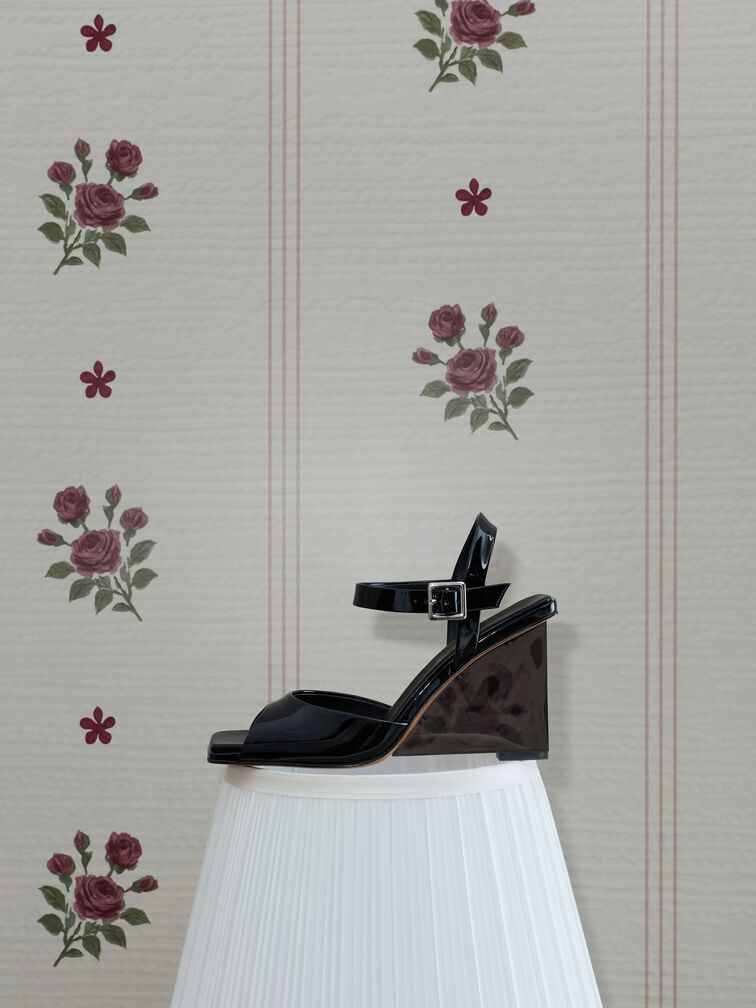
The beauty of wedges lies in their seamless design, where the heel is not separated from the sole but runs from the back to the front, filling the entire space under the arch. This provides exceptional comfort and stability, as weight is distributed evenly across the foot. With a relaxed, summer-friendly aesthetic, wedges are popular in warmer months, especially when crafted with espadrille, cork, or jute soles. They are the ultimate vacation shoe and work beautifully for summer weddings or casual brunches.
Types of Heeled Shoes
Classifying heeled shoes by the design of their uppers is helpful, as these elements dictate both the look and the fit of the shoe. In this section, we define common shoe styles, discuss their versatility for various occasions, and address their comfort.
Pumps
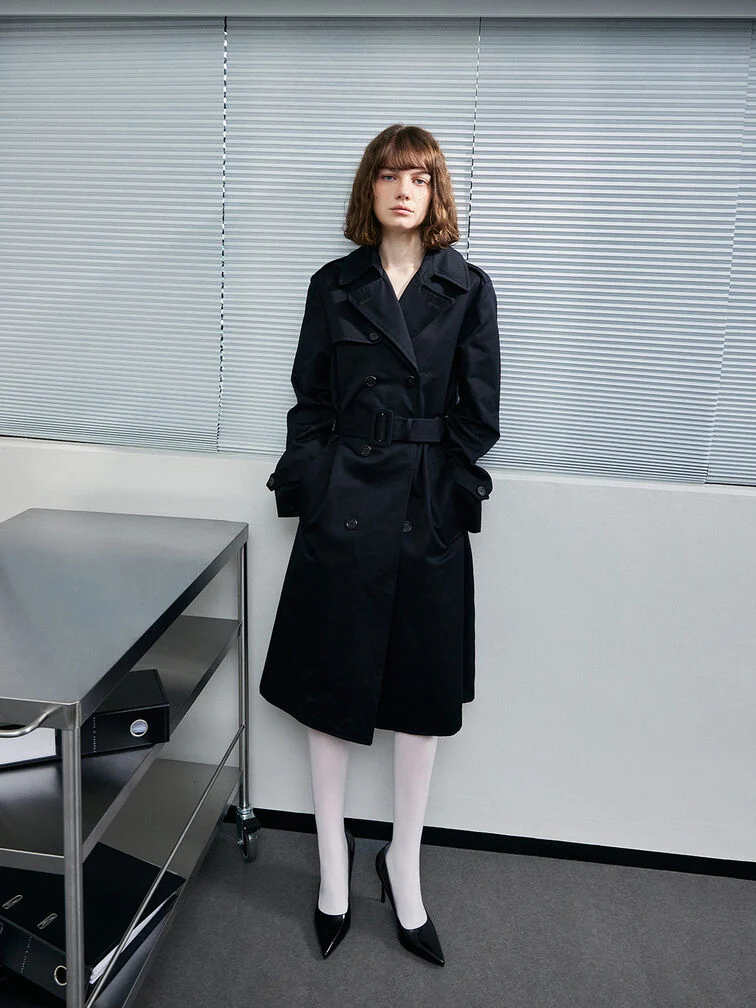
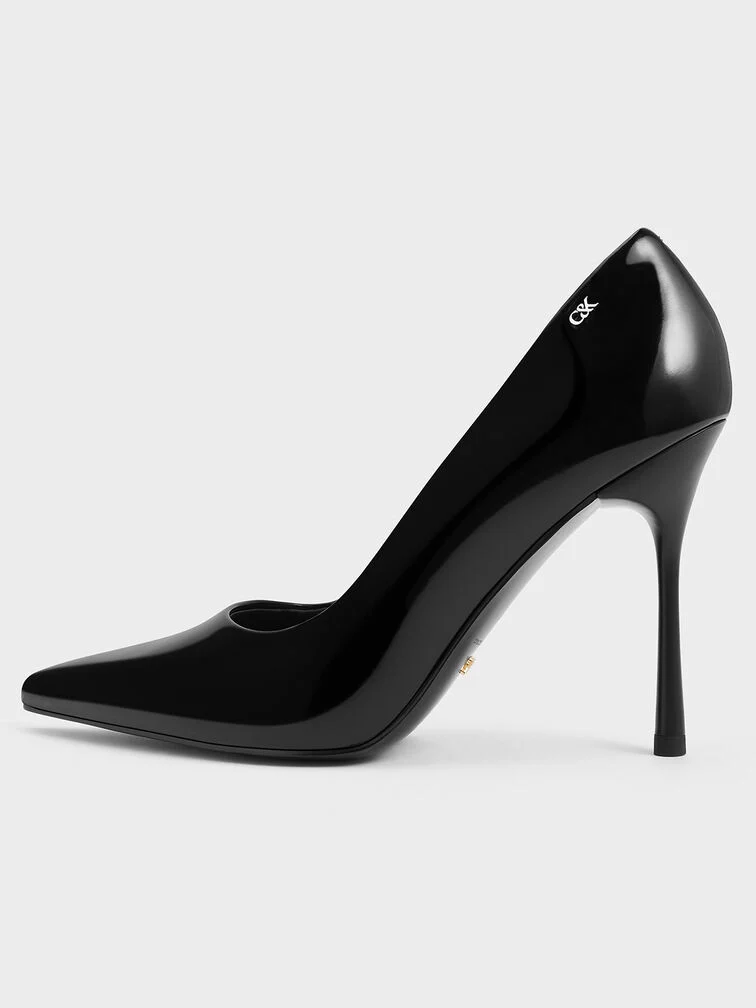
Pumps are covered, slip-on shoes with low-cut vamps and no fastenings or straps. These classic, versatile shoes come in various toe shapes—pointed pumps are the most common, while round and square versions offer a charming retro aesthetic.
Known as the "power shoe" due to their timeless design, pumps are a staple in professional settings. They are a fail-safe choice for the boardroom, formal ceremonies, and business events. Because they lack straps, pumps can sometimes slip, and the low-cut vamp may pinch the toe box—the widest part of the foot—meaning their comfort level can vary.
Slingback Heels
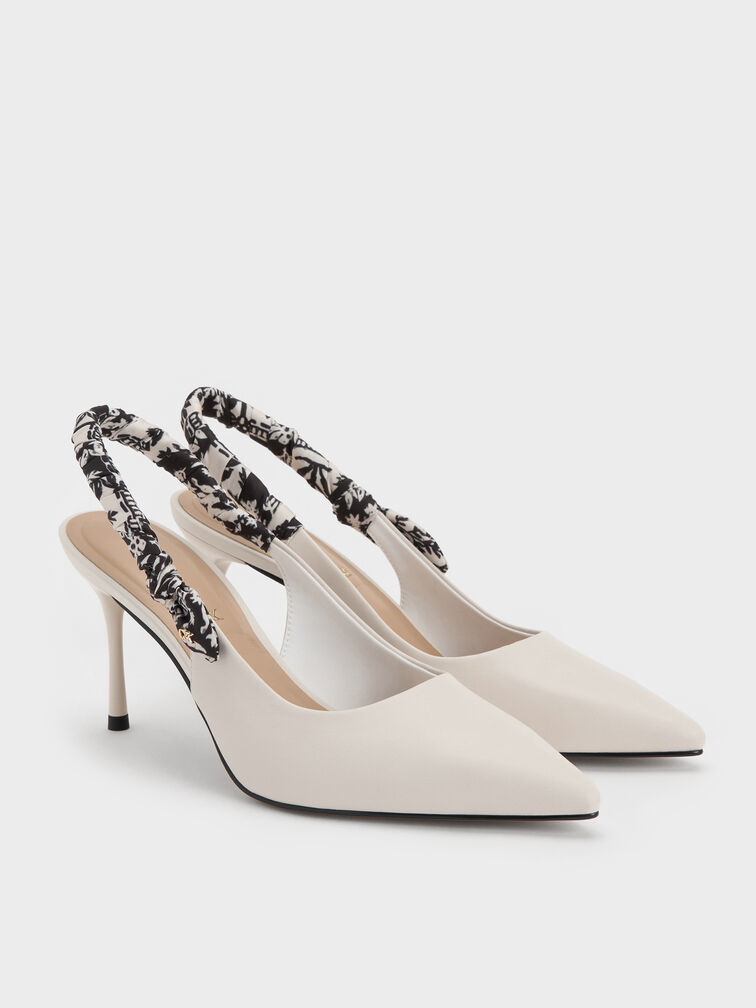

Slingback heels feature a closed toe and an open back secured by a strap that "slings" around the heel, typically elasticized or buckled for a snug fit. They are often paired with kitten, cylindrical, or block heels. While typically pointed or almond-toed, square-toed versions offer a modern finish.
While generally considered more relaxed than pumps, slingbacks retain an understated, luxurious quality suitable for business-casual offices, non-formal weddings, and date nights. They often fit better than open-heel or closed-heel shoes because the straps secure the foot while allowing for natural movement. For maximum comfort, avoid overly tight straps or rough materials. They also provide better ventilation than fully covered shoes. Browse our comprehensive guide to choosing and styling slingback heels.
D'Orsay Heels
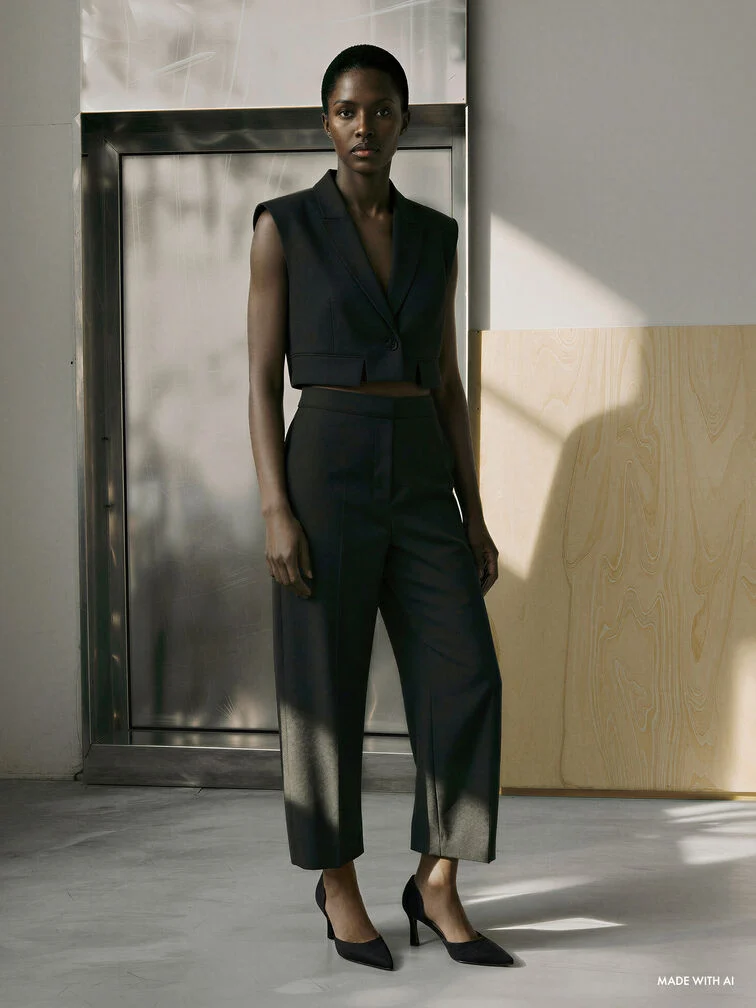
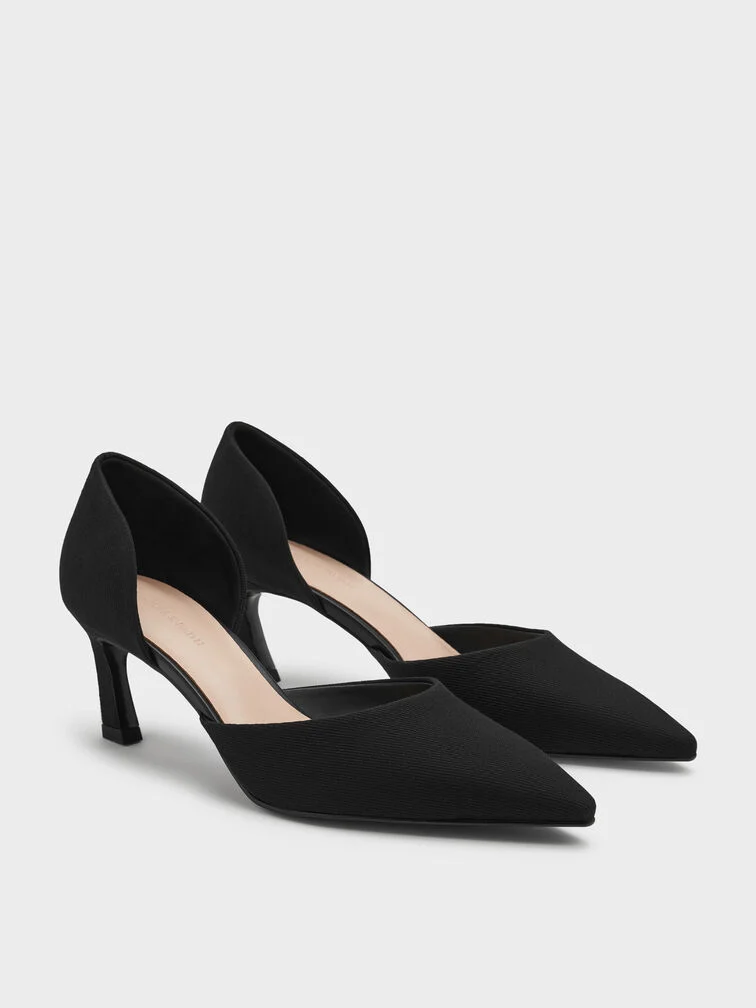
D'Orsay heels are defined by cut-out sides that expose the arch of the foot. This elegant style carries a glamorous, old-world vibe, pairing beautifully with stiletto or sleek blade heels. Frequently featuring pointed toes, they create a continuous, leg-lengthening line from the arch to the toe.
Exuding classic charm and elevated femininity, these are perfect for date nights, cocktail parties, and creative offices. Their comfort level is low to moderate, as the missing sides provide less lateral support, requiring the foot to exert more effort to stay in place. Proper fit is crucial to mitigate this.
Heeled Sandals
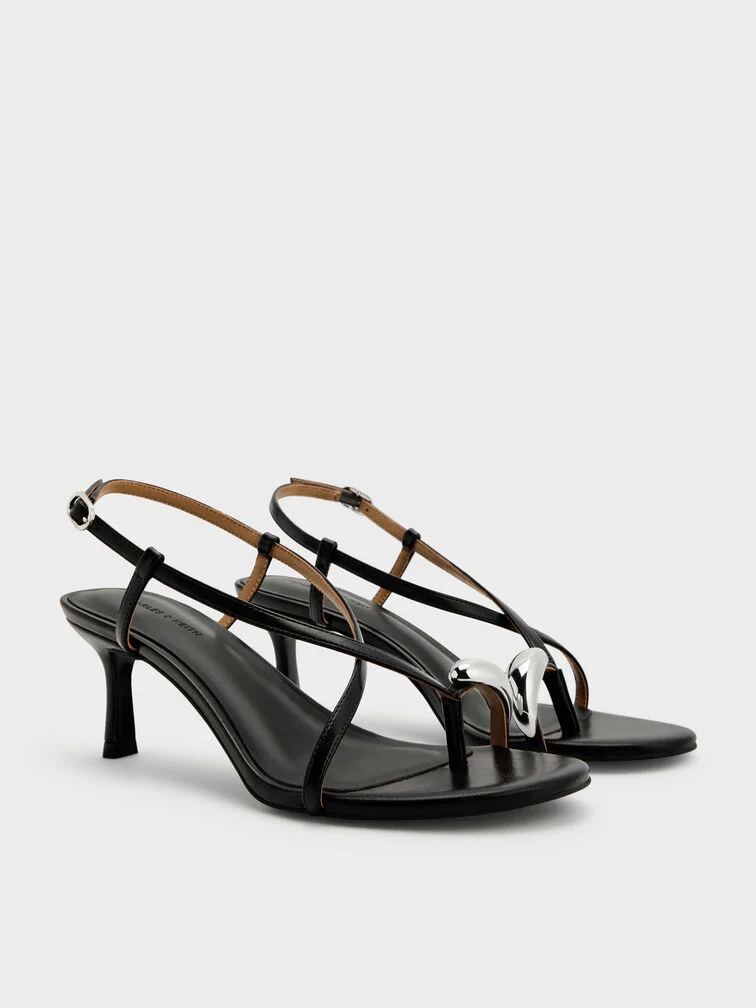

Heeled sandals are open-construction shoes secured by straps (e.g., ankle, toe, or T-bar). Popular styles include strappy sandals, crossover-strap designs, and thong sandals. They always feature an open toe for maximum breathability.
Their vibe depends on strap design and thickness, but they are generally seen as casual, warm-weather footwear. However, elaborate designs with towering heels can easily complete formal evening ensembles. Comfort varies: pairs with thicker straps and block heels are generally more pleasant to wear than those with thin straps and slim heels.
Heeled Mules

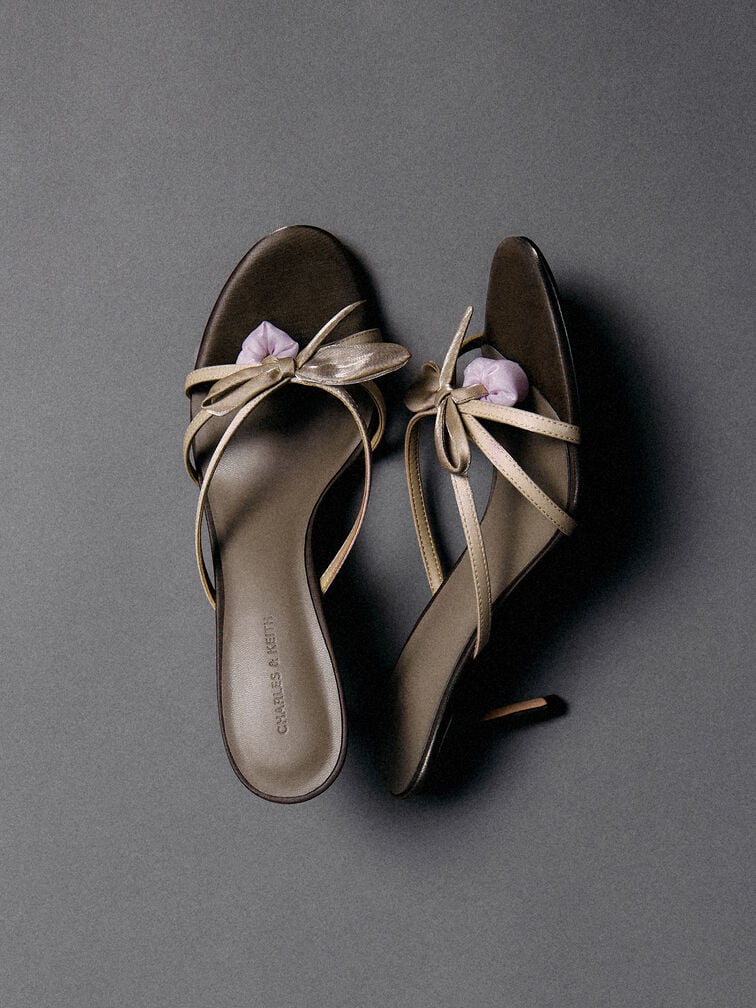
Heeled mules are slip-on, backless shoes with no securing straps. Versatile and minimalist, they are often paired with kitten or block heels, as the low, sturdy heel makes them easier to walk in. They come with open, closed, or peep toes.
Effortless and modern, mules offer an instant sense of cool-girl ease. Best for dinner dates or casual outings, they are ideal for activities that don't involve much walking. Because the backless design means less contact with the foot, they are less prone to friction-related discomfort. However, you do need to "grip" the shoe with your toes to keep it in place, which can cause fatigue over time.
Heeled Mary Janes
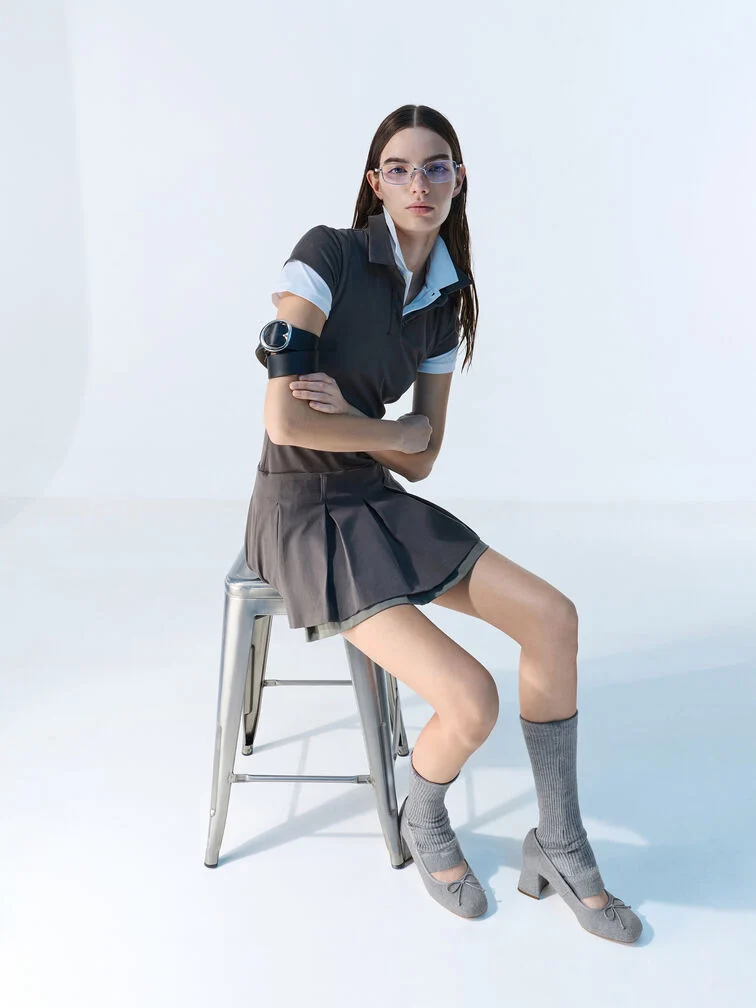
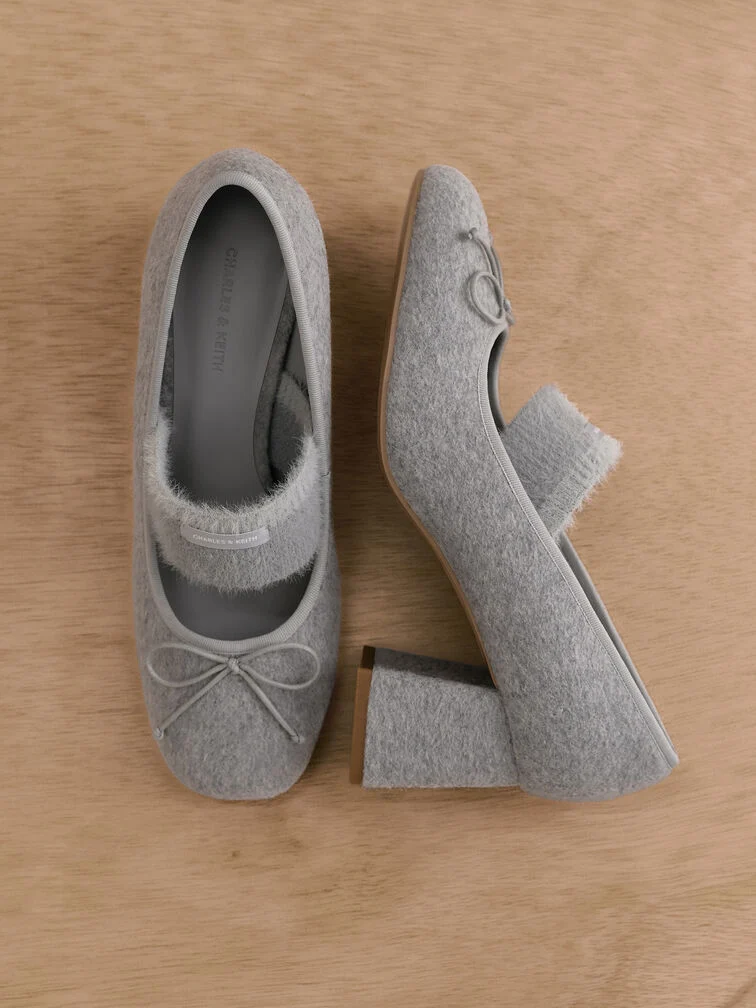
Heeled Mary Janes are defined by their closed toes and one or more instep straps. Traditionally, they feature round or square toes that provide a youthful, vintage charm. They often come with chunkier heels like block, flare, or sculptural heels.
Drawing on the iconic schoolgirl aesthetic, they offer a preppy-chic vibe perfect for academic settings or the office. The instep straps act as a safety belt for the foot, keeping it secure and reducing toe strain, which leads many to consider these the most comfortable heeled shoes.
Heeled Boots
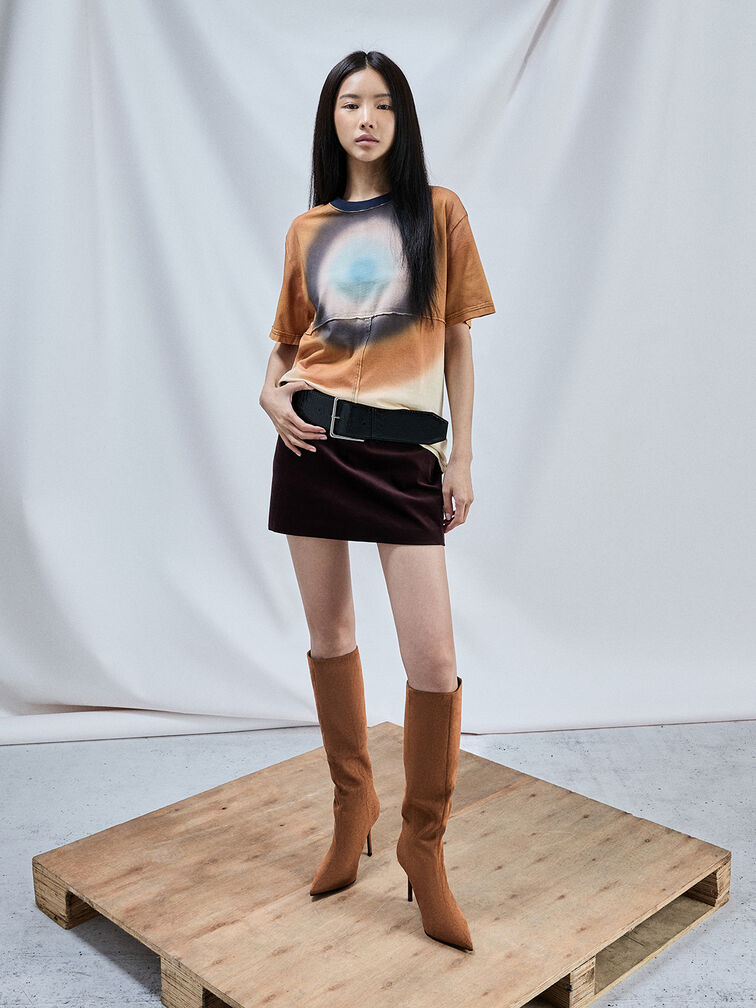
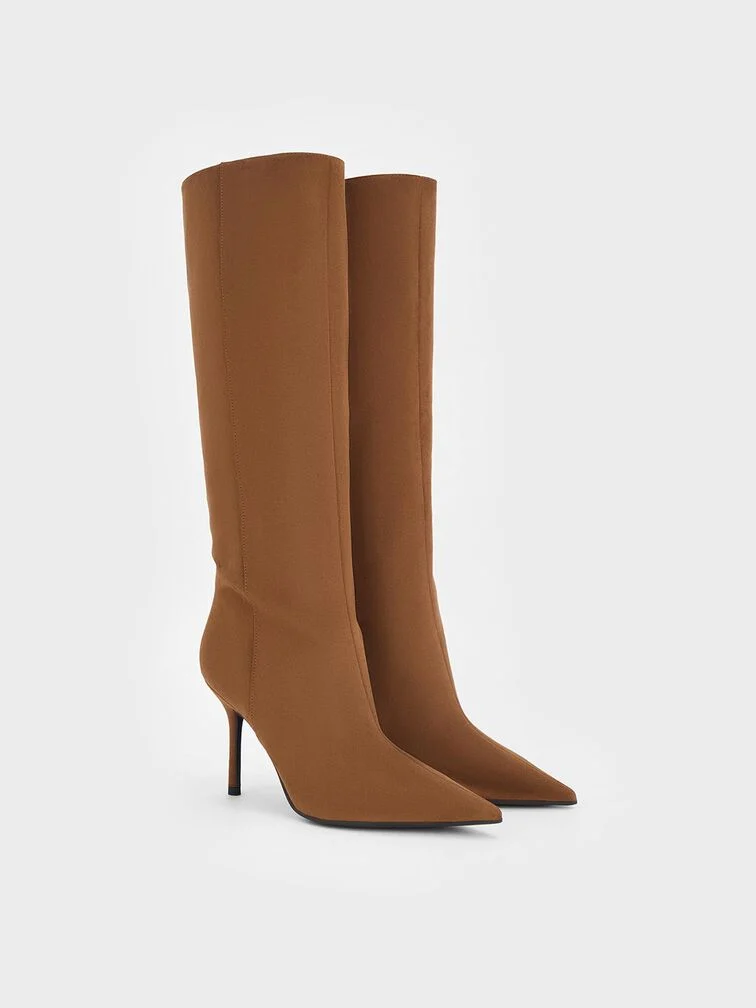
Heeled boots are closed shoes with shafts extending up the leg, from the ankle to the thigh. While they can feature any heel, they are commonly paired with block, flare, or blade heels. Stiletto-heel boots, especially in pointed-toe versions, offer a high-fashion, leg-lengthening effect.
Boots add weight to an outfit and make any look feel more intentional. While inherently autumn-winter footwear, heeled versions aren't suitable for wet or slippery conditions and are best for dry days. They provide excellent stability by encasing the foot and ankle, making higher heels feel more manageable.
In this comprehensive guide, we have surveyed the diverse world of heels by height, shape, and style. By detailing the characteristics, pros, and cons of each, we hope to help you make more informed footwear choices. Find your next favorite pair by browsing our extensive collection!