


A Complete Care Guide For Canvas Bags
Published on 12/04/2026Canvas bags are a popular bag style loved for their durability, practicality and versatility. Available in a wide array of styles, silhouettes and colors, they can be easily dressed up or down to match both casual and semi-formal settings. Whether you are headed for a quick grocery run, flying off for a vacation or going into the office, there is a canvas bag for every need.
While canvas bags are relatively low maintenance — they do not require expensive cleaning products or special storage conditions — like all bags, they come with their own set of challenges. As a natural fabric, canvas is more prone to stains and discoloration, especially with frequent use. With the basic household cleaning tools and a regular cleaning routine, even stubborn stains can be effectively removed. This guide covers everything you need to know, from understanding the material to treating specific types of stains.
Note: In this guide, when we refer to canvas bags — regardless of the style or category — we are referring to bags where the main exterior body is primarily made of canvas
Understanding Canvas as a Material
Before we delve into how to clean and care for your canvas bags, let’s take a closer look at the qualities of this material.
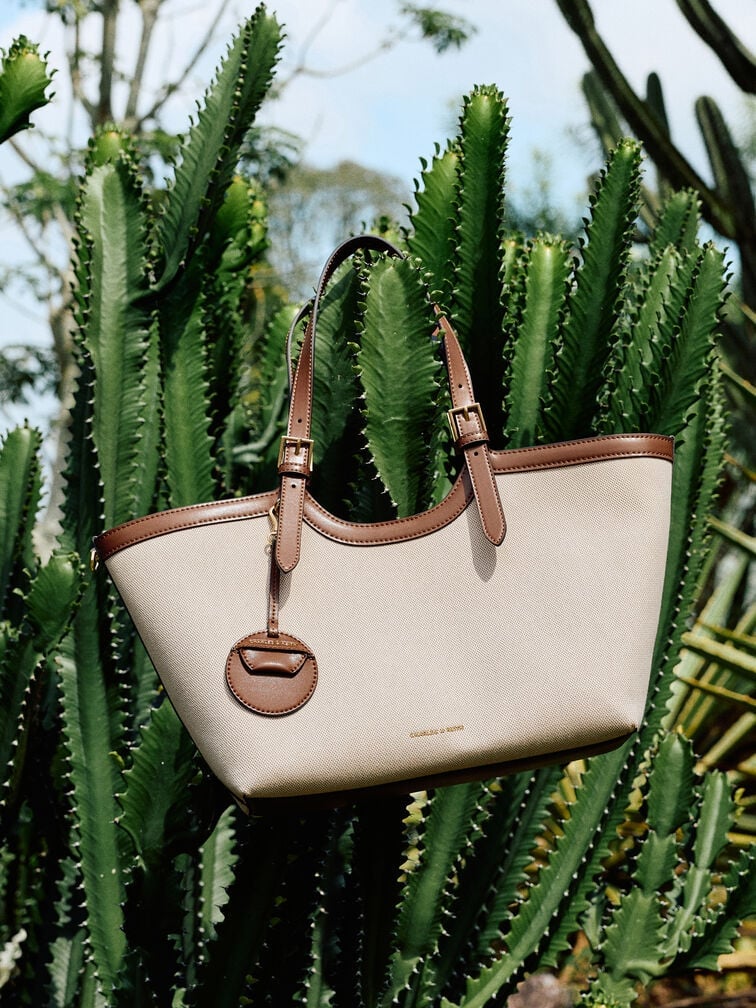
Canvas, in its most traditional form, is made from cotton or linen fibers woven into a tightly constructed plain-weave or twill fabric. This dense weave gives canvas its strength, durability and distinct tactile feel, while allowing it to remain lightweight and breathable at the same time. Today, many modern variations of canvas are made with a mix of cotton and synthetic materials, such as polyester or nylon, for added durability. A popular choice in handbags, canvas is widely used not only for the bag exteriors but also for interior linings. It has also become almost synonymous with spring-summer style.
While canvas is highly durable and resistant to general wear and tear, its natural fibers can easily trap dust, dirt and stains. Over time, canvas bags may also gradually lose their structure as the fibers soften and loosen, causing them to appear worn, dull or saggy.
Some of the most common concerns for canvas bags include:
- Staining: As canvas is made from natural fibers, liquids like coffee, oil, makeup and dirt can easily seep into the fabric and leave visible marks.
- Yellowing: Light-colored canvas bags may gradually develop fading and discoloration with prolonged exposure to sunlight, humidity, sweat, and natural oils from the skin.
- Fraying: Frequent usage can lead to the canvas fabric wearing thin, pilling or even tearing. This is especially common in high-stress areas like the handles and corners.
- Mixed material care: Most canvas bags today are not made entirely with canvas. They often feature other materials like leather and faux leather as well as embellishments and metal hardware. These elements require different methods of care, which can make the cleaning process slightly more complex.
While these issues are inevitable given the nature of canvas, they can be effectively managed with proper care and regular maintenance. In the next section, we will explore the essential tools and techniques needed to keep your canvas bags looking their best for longer.
Frequently Asked Questions About Cleaning Canvas Bags
Can I wash my canvas bag in the washing machine?
It is generally not recommended to wash canvas bags in the washing machine. Machine washing can cause shrinkage, color fading and a loss of structural integrity to your canvas bag. Many canvas bags include additional materials, such as faux-leather trims or metal hardware, which may be damaged during machine washing.
While some plain cotton canvas bags may be machine washable, hand washing is still the safer option. If you do choose to machine wash, proceed with caution — always check the care label first, use a gentle cycle, laundry bags and avoid high heat.
For waxed canvas bags, machine washing is an absolute no-go. It can strip away the protective coating and cause irreversible damage to the bag’s finish, shape and material.
Can I wash my canvas bag by hand?
While hand washing is preferable to machine washing, it is still not the recommended cleaning method for most canvas bags. Even if your bag is made entirely from soft, unstructured cotton canvas with no additional materials, we’d still recommend spot cleaning — and always check the care label for instructions. As for heavily soiled bags and delicate designs, professional cleaning remains the best option.
However, if you do need to hand-wash your canvas bag, follow the guide below:
- Spot clean using a mild soap solution and a soft cloth.
- Fill a basin with lukewarm water and a small amount of gentle detergent.
- Submerge the bag (or the specific area) and gently clean using a soft brush or cloth. Alternatively, use a spray bottle to avoid over-soaking the bag.
- Rinse thoroughly with clean water until no soap residue remains. Avoid wringing or twisting the bag, as this can distort its shape.
- Reshape the bag with towels or bag shapers and allow it to air dry in a well-ventilated area.
Hand washing works best for cotton canvas styles that are typically soft and unstructured.
Can I put my canvas bag in the dryer?
No. High heat from dryers can damage canvas fabric, causing it to shrink, warp and lose its shape. Always allow your canvas bags to air dry naturally.
Four Important Checks Before You Clean A Canvas Bag
Before you begin cleaning your canvas bag, here are four important things to look out for.
1. Read the care label
First and foremost, always read the care label. The care label provides key information about the bag’s material composition — whether it is fully canvas, mixed-material or waxed. The care label also provides specific care instructions on how the bag should be cleaned.
Remember: The care instructions provided with the bag should always take priority — they would detail the safest way to clean the bag so you can avoid damaging it in the process.
2. Examine and identify bag details that are non-canvas
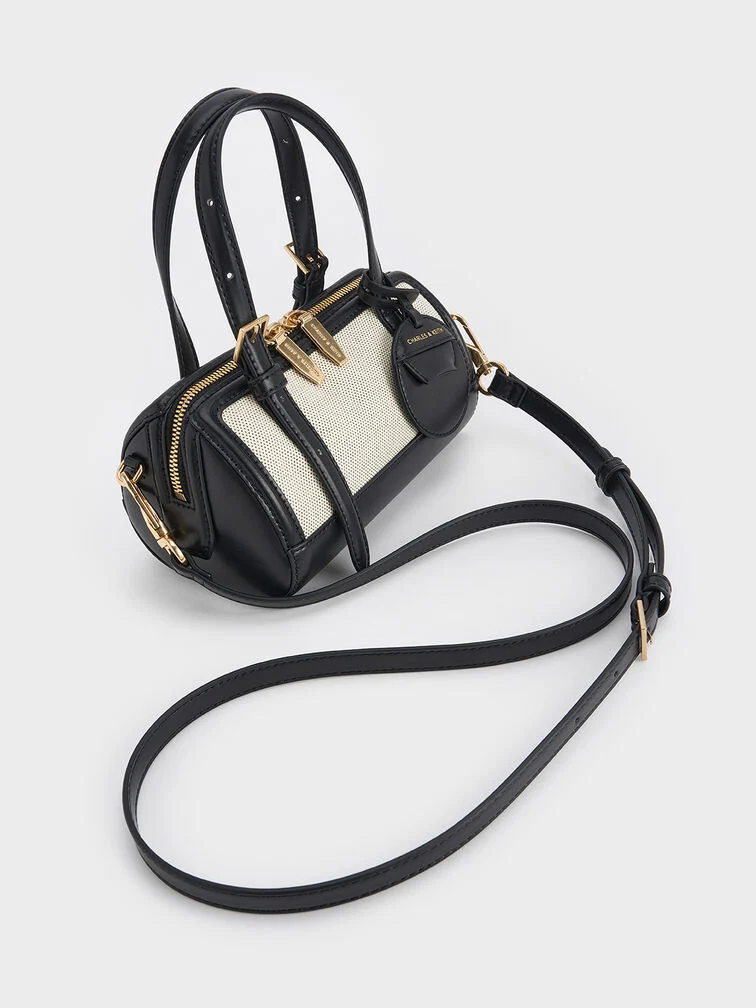
After reviewing the care label, take a closer look at your bag. Canvas bags are rarely made entirely of canvas — they often include additional design elements such as:
- Metal hardware (e.g. buckles and zips)
- Leather or faux-leather trims
- Non-canvas handles or straps
- Decorative embellishments
Understanding the full composition of your bag is crucial, as different materials require different cleaning methods — there is no one-size-fits-all process. Ultimately, material-specific care is crucial to keeping your favorite canvas carriers in their most pristine condition.
3. Waxed vs. Normal Canvas
Not all types of canvas are created equal. Normal and waxed canvas (also known as coated canvas) are two of the most common types of canvas used in bags.
- Non-waxed (normal) canvas: A traditional woven fabric that is easy to care for, requiring only occasional cleaning.
- Waxed canvas: A treated canvas that features a protective wax coating for added waterproofing and durability, but it requires gentle care. Clean with a soft cloth, mild soap and water, then wipe and dry immediately. Avoid soaking and do not use harsh chemicals like bleach or alcohol, as they can damage the coating.
4. Color Of Your Canvas Bags
The color of your canvas bag also affects how it should be cleaned. Lighter shades are more prone to staining and yellowing, while darker colors achieved through a dyeing process may experience color transfer.
To test for color bleeding, dampen a cloth with cold water and dab on a small area. If you notice any color changes, we will only recommend spot cleaning the bag or sending it for professional cleaning. Tip: Always test on a small, inconspicuous area. This way, even if the fabric bleeds, it won’t be obvious.
How To Clean Canvas Bags At Home
Essential Tools & Products For Cleaning Canvas Bags
For every bag cleaning routine, the correct tools are essential. Here's a simple list:
- Soft, clean microfiber cloths: For gentle wiping and spot cleaning
- Mild soap or detergent: Gentle dish soap, laundry detergent diluted with water
- Cold water: Cold or lukewarm water. Avoid hot water as this causes the canvas to shrink
- Absorbent towel: To help dry off any excess water
Step-By-Step Guide To Cleaning Canvas Bags
Step 1: Empty and Inspect the Bag
Start by removing everything from your bag, including any small items tucked in the pockets or zipped compartments. Gently shake the bag upside down to get rid of any loose dirt or dust. Use a lint roller or a soft-bristled brush to pick up any dirt stuck on the surface or the corners. Proceed to inspect the bag carefully to identify specific stains or spots that may need extra attention.
Step 2: Create a Mild Cleaning Solution
In a small bowl, mix cold or lukewarm water with a few drops of gentle dish soap or laundry detergent. Avoid any harsh chemical products, like bleach or alcohol-based products, as they can damage the canvas and fade the print. Keep the solution mild — less is more.
Step 3: Spot Clean the Surface
Dip a clean microfiber cloth into the soapy water. Ensure the cloth is slightly damp, but not soaking wet, and lightly rub the stained area in small, circular motions. Rinse your cloth and repeat as needed, always being gentle.
As a general rule, always begin with spot cleaning as your first line of defense. Avoid soaking the entire bag in water or cleaning solution, as this may cause irreversible damage to the fabric fibers, leading to softening, fraying, and a loss of shape and structure.
Step 4: Clean High-Contact Areas and Stubborn Stains
Clean high-contact areas, such as the bag handles and straps, gently but thoroughly. Avoid over-rubbing, as this can cause further abrasion and damage to the fabric. For stubborn stains, allow the cleaning solution to sit for a few minutes — no longer than 15 minutes — before using a clean, damp cloth to gently lift the stain in circular motions. Alternatively, use a soft-bristled brush, such as a toothbrush, to carefully work the stain out of the fabric. Continue reading for more tips on tackling specific types of stains.
Step 5: Let it Air Dry
Always air dry the bag in a well-ventilated space, away from harsh heat or direct sunlight. While it is still slightly damp, reshape your bag with clean towels so that it holds its structure as it dries, and allow it to air dry naturally on a rack. This is crucial as high heat from tumble dryers or hair dryers can cause irreversible damage to the fabric and fibers of the bag.
Cleaning Canvas Bags With Leather Parts (Bag Trims & Straps)
First, wipe the leather sections with a slightly damp cloth. Then apply a small amount of leather conditioner specifically for bags to keep the leather parts moisturized. Avoid getting the canvas wet while treating the leather areas.
Read our guide for a more detailed breakdown on how to care for your leather items.
Cleaning Canvas Bags’ Hardware
For the hardware, clean metal parts with a dry microfiber cloth to restore their shine. Gently buff the hardware with a metal cleaner or liquid polishing solution. For smaller areas, use cotton buds. Be careful to not get the metal polishing solution onto the fabric. Wipe any excess residue with a dry cloth and dry immediately to prevent rust and tarnish.
Tackling Specific Types of Stains
Sometimes, a general cleaning routine is not enough — stubborn and specific stains require targeted effort. In this section, we’ll look at how to remove and tackle specific types of stains. You will find that white vinegar and baking soda powder can work wonders.
Makeup Stains
If the stain is fresh, blot gently with a dry paper towel — avoid rubbing, as this can push the stain deeper into the fabric. Use micellar water on a cotton pad or a gentle makeup remover wipe to lift pigments, followed by gentle scrubbing using a soft cloth lightly dampened with mild detergent solution.
Oil & Grease Stains
Start by removing any excess oil with a paper towel. Sprinkle baking soda on the oil-stained area and let it sit for a while. Gently scrub the stain with a brush, followed by a mild detergent solution using a soft brush or cloth. Lastly, wipe clean with water.
Coffee & Tea Stains
Blot immediately and clean with a mild detergent solution. Alternatively, sprinkle baking soda or liquid dish soap over the area and let it seep in. Gently rub it away with cold water or vinegar with a clean cloth. You may also consider keeping a stain pen in your bag for quick, on-the-go treatment.
Mud & Outdoor Dirt
Allow mud to dry completely before brushing it off using a stiff-bristled brush or toothbrush. If any residue remains, lightly sponge the area with water and a small amount of mild detergent or vinegar solution, working gently from the outside of the stain inward.
Dye Transfer
Gently dab the affected area with a mild cleaning solution, taking care not to spread the stain further. Work slowly and avoid excessive moisture.
Yellowing
A diluted vinegar or baking soda solution can help restore brightness to light-colored fabric. Prepare a basin of lukewarm water, add a small amount of baking soda or white vinegar, and stir until dissolved.
Submerge the affected areas of the bag and leave it to soak. The soaking time depends on the severity of yellowing, typically ranging from 1 to 4 hours. After soaking, gently brush the area with a soft-bristled brush. Rinse thoroughly with clean water, as any leftover residue can lead to further yellowing over time. Do not wring the bag and let it air dry in a well-ventilated area, away from direct sunlight.
Tip
Avoid over-soaking, and always test the solution on a small, inconspicuous area to ensure the fabric reacts well. For particularly stubborn stains or delicate canvas bags, it is best to seek professional cleaning.
Extending The Longevity Of Canvas Bags
To fully maximize the lifespan of your favorite canvas bags, follow the additional care tips below.
Protection is key
- Consider using a fabric protector spray that can help repel liquids and minimize color transfer — both from your bag onto clothing and vice versa.
- Most canvas bags do not require frequent cleaning; a light cleaning routine every 4 to 6 months should suffice.
- Address stubborn stains immediately. This is to prevent them from settling into the fabric and becoming harder to remove.
Proper Storage
Dos
- Store your bag in a cool, dry place away from direct sunlight.
- Store your canvas bag in a dust bag to protect it from dust buildup, surface abrasion and discoloration.
- Clean your bag before long‑term storage so stains and oils don’t set into the fabric.
- Use light tissue stuffing to maintain the structure of canvas bags and store them upright to minimize deformation.
- Use a bag shaper or insert a base shaper (e.g., cardboard or plastic board) to support the bag bottom for softer canvas bags.
Don’ts
- Avoid storing them in humid environments as this can lead to mold, mildew, and odors.
- Avoid crushing, folding, or stacking heavy items on top of your bag to preserve its structure.
We hope this comprehensive guide has given you useful tips on how to care for your canvas bags. A true wardrobe workhorse, the canvas bag is one you’ll reach for again and again. Browse our extensive collection of canvas bags to find one — or several — that you’ll love and use. Do keep these care tips in mind so you can enjoy using your canvas bags for a long time!