


How to Waterproof Shoes: A Step-by-Step Guide
Published on 19/10/2026Rain is a tricky element in the world of shoes, causing myriad problems that vary according to material. On leather, it leaves watermarks. On suede, it causes colour to bleed and stain. Meanwhile, absorbent fabrics such as canvas take longer to dry, which can result in an unpleasant odour. The correct treatment, therefore, depends entirely on the material of your shoes. For instance, a shoe care product designed for leather footwear will not necessarily work on suede and may even damage it.
How Waterproofing Works
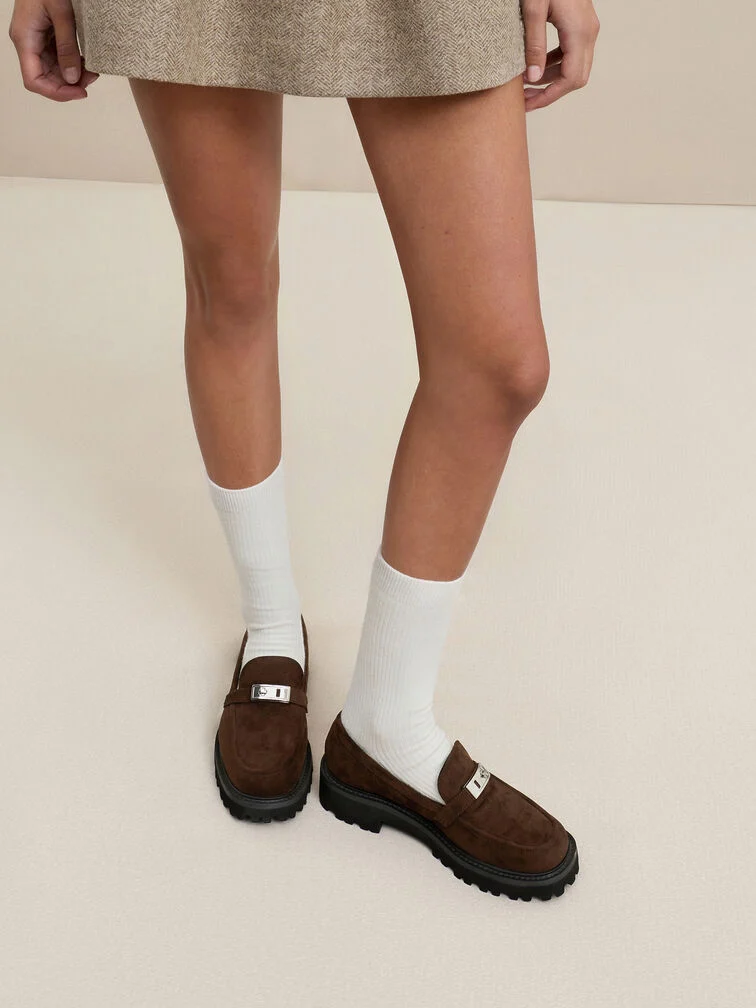
Waterproofing creates a microscopic, water-repellent barrier that causes water to bead up and roll off instead of penetrating the material. While it effectively reduces water absorption and the issues that can arise from wet shoes, it is not a foolproof method that completely eliminates the problem. Even treated shoes may not be able to withstand heavy or prolonged rain.
The effectiveness of waterproofing depends on a variety of factors, including the shoe material, the type of treatment product used, the application method, the level of water exposure and the shoe’s existing condition.
- Shoe Material: The material of the shoes can affect the effectiveness of the waterproofing treatment, as each material responds differently to water. For instance, leather is water-resistant and absorbs moisture at a slower rate, while canvas is highly porous and breathable, allowing it to absorb water and stain very quickly.
- Type of Treatment/Product: The type of treatment or product varies by material — there is no one-size-fits-all solution. Due to its delicate nature, suede requires specialised waterproofing sprays, while fabric calls for silicone-based products.
- Application Method: The method of application will determine how well the waterproofing works. For instance, uneven application results in a patchy finish and leaves gaps for water to seep through. Overapplying the product can also damage the material rather than provide extra protection.
- Level of Water Exposure: Waterproofing works well against light rain but may not withstand heavy or prolonged exposure to water, such as when standing in a puddle.
- Existing Shoe Condition: If your shoes have some wear and tear, waterproofing may be less effective. Damage can make the material more porous and cause it to absorb water more quickly, while trapped dirt and grime can prevent waterproofing sprays or treatments from adhering properly. Waterproofing works best on clean, new shoes.
Tip
Treating an ordinary pair of shoes does not magically turn them into fully waterproof footwear. Instead, they become water-resistant or water-repellent, which are more accurate terms for describing their newfound ability to temporarily block light moisture. Water can still find its way through seams, stitching holes or the joints between the soles and uppers.
How to Waterproof Your Shoes
1. Identify the Shoe Material
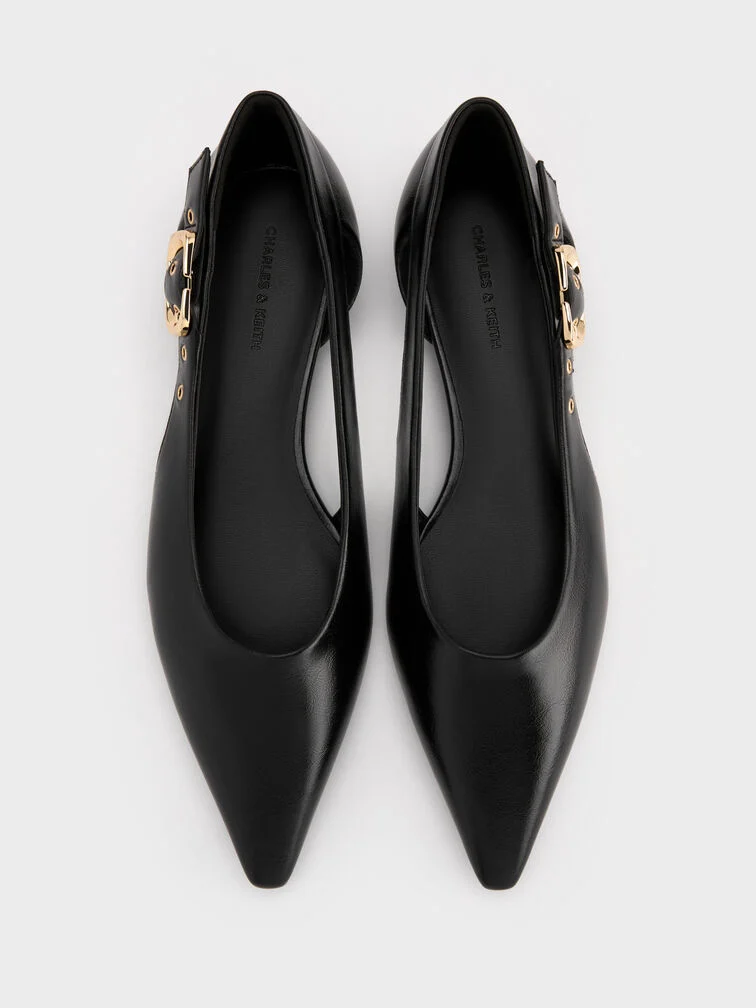
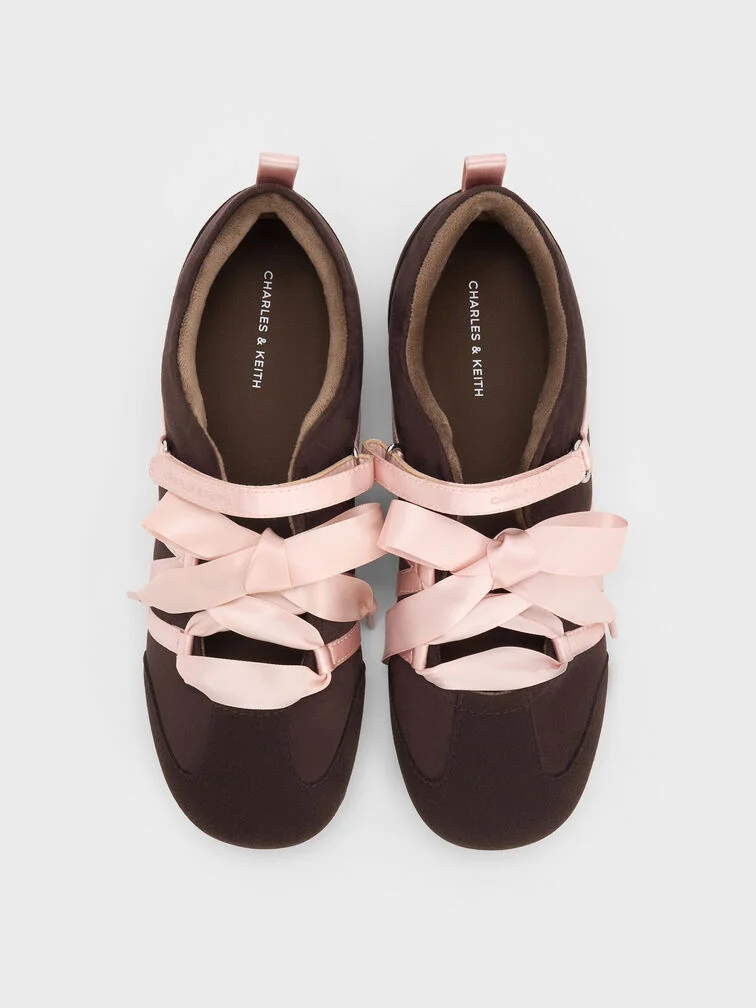
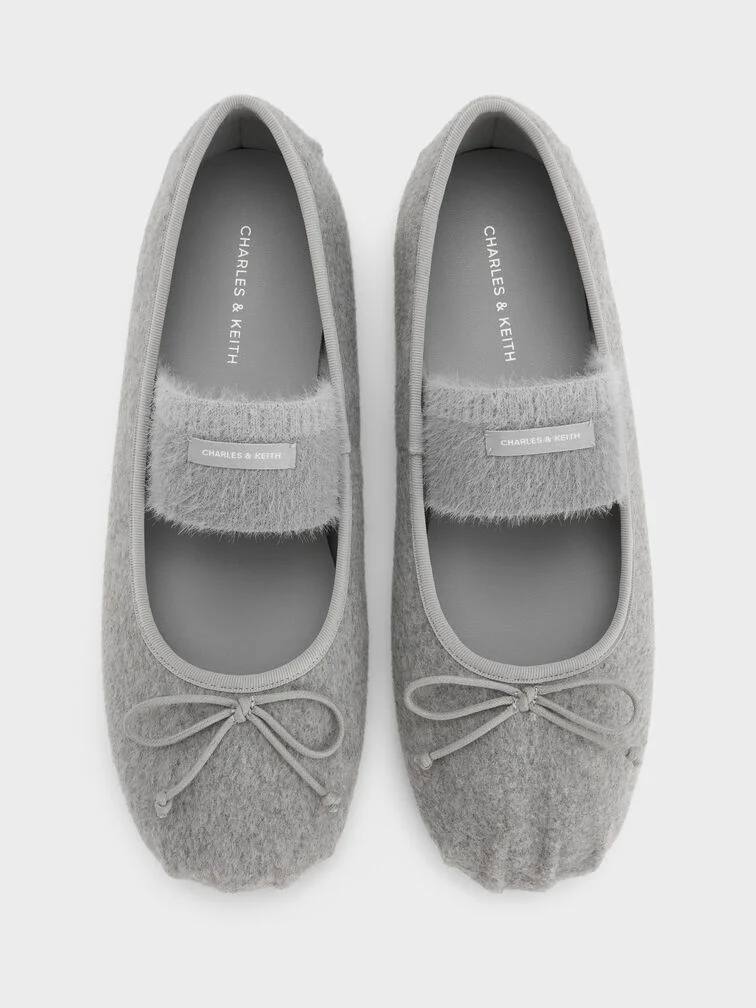
As previously mentioned, different materials call for different waterproofing products and methods. Therefore, before you begin the treatment process, you must first identify the shoe material. This reduces the risk of using the wrong product, such as an oil-based leather protector on a pair of synthetic PU shoes, which may leave behind a white residue.
For proper waterproof or membrane footwear, follow the manufacturer’s care instructions instead of relying on instinct. These shoes require specialised treatments, and using unsuitable care products may damage them.
2. Clean the Shoes Thoroughly
To ensure an even application when waterproofing shoes, it is important to remove any dirt, dust or surface debris. Use a soft brush to sweep away loose dirt and dust, before gently wiping the shoes down with a damp cloth. If the shoes have laces, remove them to access hard-to-reach areas and clean them thoroughly.
If the shoes are made of a special or delicate material, adjust your cleaning method accordingly. Only use soft-bristled brushes on suede footwear and a damp microfibre cloth on leather footwear. For a more detailed walkthrough, see our guide on how to clean suede shoes.
Skipping this step before applying a waterproofing treatment can trap and seal dirt into the material, resulting in a perpetually dull, dirty appearance. These stains may also become harder to remove over time.
3. Test the Product on a Small Area
This is an especially important step for delicate finishes, such as suede, pale-coloured fabrics and dyed leather. These materials are more likely to show visible changes in colour or texture if a new product is unsuitable for them.
Test the product on a small, inconspicuous area, such as the inside of a sneaker tongue or the underside of a strap. Leave the area untouched for a while after applying the product, then check for any changes in colour or texture before treating the rest of the shoes.
Some sprays can alter the colour of suede or flatten its fuzzy texture, so testing is worth the extra time and effort, even if you are in a rush.
4. Apply the Treatment
Check the instructions that come with the product before applying it. Be sure to follow them closely, as application methods vary between sprays, creams and waxes, even when they are intended for the same material.
Apply the product evenly across the entire shoe, paying extra attention to seams and exposed areas where water may be more likely to seep through.
Avoid overapplying the product, as using more does not necessarily provide greater protection and may instead result in a patchy finish or stiffen the material. You should also avoid mixing incompatible treatments on the same shoe, such as layering a wax-based product with a silicone-based spray, as this may prevent one or both products from working as intended.
5. Let the Shoes Dry Completely
After treatment, allow the shoes to dry and cure completely in a well-ventilated area, away from direct heat or sunlight. Drying time depends on the type of product used, so check the product instructions for more details (usually up to 24 hours). Wearing them while the protective layer is still wet or damp can prevent it from forming an even, durable barrier.
How to Waterproof Shoes by Material
| Shoe Material | Type of Product/Treatment | Application Method |
|---|---|---|
|
Leather |
Leather requires conditioners or protectors that are specifically designed for the material. Silicone-based sprays can clog the pores of leather and dry out the material over time. Natural wax, such as beeswax, can be safely used on smooth, finished leather shoes to create a barrier that helps rain and moisture slide off the surface. |
Apply leather-safe protector spray in light, even layers, maintaining a distance of about 20 to 30 cm between the spray can and the shoes. For natural wax, massage it into the leather using circular motions with a clean cloth or your fingers. |
|
Synthetic/Faux PU |
Synthetic or faux PU calls for water-repellent sprays designed for synthetic materials. These are typically silicone-based. Avoid using oil- or wax-based products, as they can leave behind a white residue or, worse, degrade the PU coating and cause it to crack. |
Always wipe the shoes clean before applying the waterproofing spray in light, even layers, maintaining a distance of about 20 to 30 cm between the spray can and the shoes. |
|
Suede |
Due to the extremely delicate nature of suede, always use a suede-specific waterproofing spray. A generic product may alter its texture or colour. |
Apply the waterproofing spray in light, even layers, maintaining a distance of about 20 to 30 cm between the spray can and the shoes. Let them dry completely in a well-ventilated area, away from direct heat or sunlight. Then, use a soft-bristled brush to gently comb the nap back into place. |
|
Fabrics/Canvas |
As canvas and fabric are naturally more porous and absorbent than other materials, they require a fabric-compatible water-repellent spray that helps preserve their breathability. Check the product label carefully, as not every spray is suitable for every textile. |
Apply the waterproofing spray in light, even layers, maintaining a distance of about 20 to 30 cm between the spray can and the shoes. Pay extra attention to the seams and other vulnerable areas to help prevent water from seeping through. |
Using Household Items to Waterproof Shoes
Waterproofing shoes with household items is only recommended if you do not have the appropriate product on hand and need an immediate solution. Take a wax candle or some beeswax and massage it onto the surface of your shoes using gentle, circular motions. Only try this method on older, lower-value shoes, as wax build-up can dull or darken certain materials with repeated use.
This is a temporary fix that offers water resistance for a limited period. It should not replace proper waterproofing treatments that are designed for use on specific shoe materials. Purpose-made protectant sprays are generally more reliable than household substitutes because they are specially formulated for particular materials, reducing the risk of unexpected changes in colour or texture.
How Often Should You Waterproof Your Shoes?
How often you should reapply a waterproofing treatment depends on how frequently the shoes are worn and how well they are maintained. There is no fixed timeframe for when you should waterproof your shoes again.
To check whether it is time for another treatment, splash a small amount of water onto the shoes and observe whether it beads up on the surface. If the water no longer beads and is quickly absorbed into the material, it is a clear sign that the existing treatment has worn off and should be reapplied.
Common Waterproofing Mistakes
Waterproofing treatments should not be mistaken for an alternative to proper shoe care. They are meant to complement regular cleaning and conditioning rather than replace them. Other common waterproofing mistakes include:
- Using the wrong product for specific materials
- Applying treatment to dirty shoes
- Applying too much product at once
- Skipping the patch test to save time
- Drying shoes under direct heat or sunlight
- Wearing shoes before the treatment has dried completely
Avoiding these common mistakes will make the process of waterproofing your shoes easier, more effective and much more seamless.
In conclusion, waterproofing is a reliable and effective way to keep moisture at bay when done correctly. Pay attention to the shoe material, use the appropriate product or treatment, and always clean your shoes before applying it. Start shopping our extensive range of shoes and put your newfound knowledge to good use before the rainy and snowy seasons begin!