
How to Layer Outfits: Styling Tips & Ideas for Every Season
Published on 02/11/2026Layering is one of the easiest ways to get more mileage out of the clothes in your wardrobe. Depending on how creative you get, the same combination of a camisole, T-shirt, knitted pullover and long coat can yield several outfit permutations, giving you more looks to wear.
A common misconception is that layering is only suitable for fall and winter. However, wearing lightweight, breathable pieces over one another can also create refreshing, stylish looks during the warmer months. These layers also provide extra protection against the cold in air-conditioned spaces and on chilly evenings.
What Is Layering & the 3-Layer Rule?
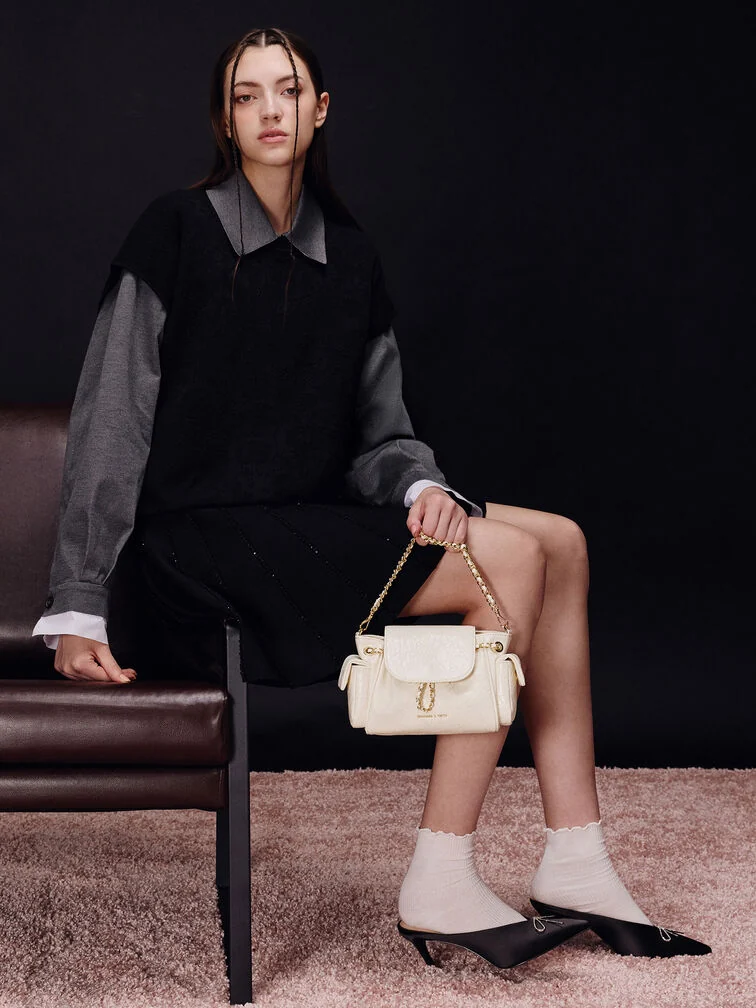
Layering is a styling technique that involves combining multiple pieces of clothing to create a single look. Each piece is worn over another without completely concealing it, adding visual depth and dimension to the outfit. An exception is layering for cold weather, where the base layers are typically fully covered for practical purposes.
When adopting this styling technique, understanding the three-layer rule can be useful. This approach involves building an outfit from a base layer before adding a mid layer and an outer layer to complete the look. It is particularly relevant during the fall and winter seasons, when temperatures are lower. During spring and summer, or in warmer climates, two lightweight layers — such as a T-shirt worn under a light cardigan — can add visual interest while maintaining breathability and comfort.
Base Layer
The base layer is typically the first piece of clothing you put on, sitting directly against your skin. Whether it is a T-shirt, bodysuit, camisole or fine turtleneck, this foundational piece sets the tone for the rest of the outfit through its fit and neckline. We recommend opting for fitted or slim-cut pieces as base layers to avoid adding unnecessary bulk to the overall look.
Mid Layer
Mid Layer
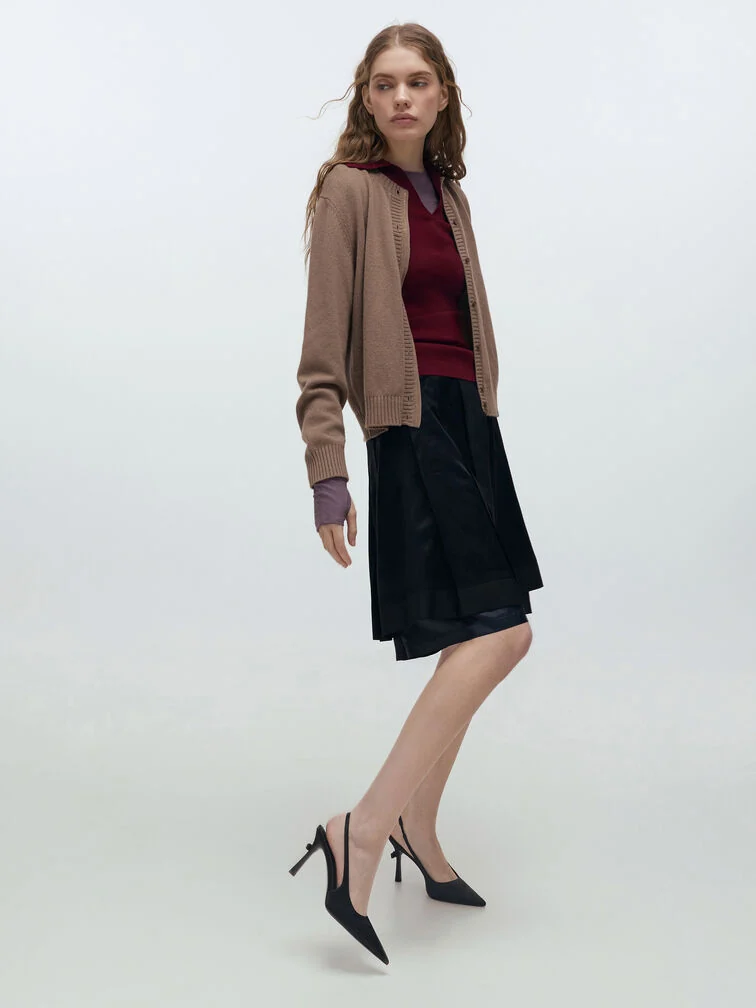
The mid layer is the second piece of clothing, sitting between the base and outer layers. Typically a sweater, cardigan, vest or shirt, it adds warmth and becomes the main visual focus when your outerwear comes off indoors. As the centerpiece of the outfit, it is a good starting point for building the color palette. For instance, if you are wearing a burgundy knit vest, opt for grounding neutrals like gray and taupe for the other layers to create a balanced, cohesive ensemble.
Outer Layer
The outer layer is the final piece of clothing worn over the base and mid layers, such as a jacket, blazer or trench coat. As the outermost piece, it defines the overall silhouette of your outfit and makes the first impression. The length of your outerwear is an important consideration — a cropped jacket allows you to show off the distinctive design of a longer shirt, while a long coat creates a sleek, elongated silhouette that keeps you warm and cozy.
The table below summarizes the key characteristics of each layer:
| Layer | Purpose | Example |
|---|---|---|
Base |
Sits directly against the skin and sets the tone for the rest of the outfit through its fit and neckline |
T-shirt, bodysuit, camisole, fine turtleneck |
Mid |
Adds warmth and serves as the centerpiece of the outfit, providing a starting point for building the color palette |
Sweater, cardigan, vest, shirt |
Outer |
Adds the finishing touch, defines the overall silhouette and creates the first impression |
Jacket, blazer, trench coat |
How to Layer Clothes Without Looking Bulky
When layering clothes, a simple misstep can create unnecessary bulk. This can happen when combining too many thick fabrics, failing to vary the volume of each layer, leaving the overall silhouette undefined or incorporating too many competing colors. Below, we share some tips on how to master the art of layering for a tasteful, refined look.
Layer from Thinnest to Thickest
Start with the thinnest fabric and gradually work your way up to the thickest piece as the outermost layer. An ideal sequence would be to begin with a silk camisole, followed by a knitted pullover, before finishing the look with a thick wool coat.
Limit heavy fabrics — such as a cable-knit or shearling — to just one piece per outfit. Combining two or more of these pieces can create unnecessary bulk and restrict movement.
Mix Fitted & Relaxed Silhouettes
Mix Fitted & Relaxed Silhouettes
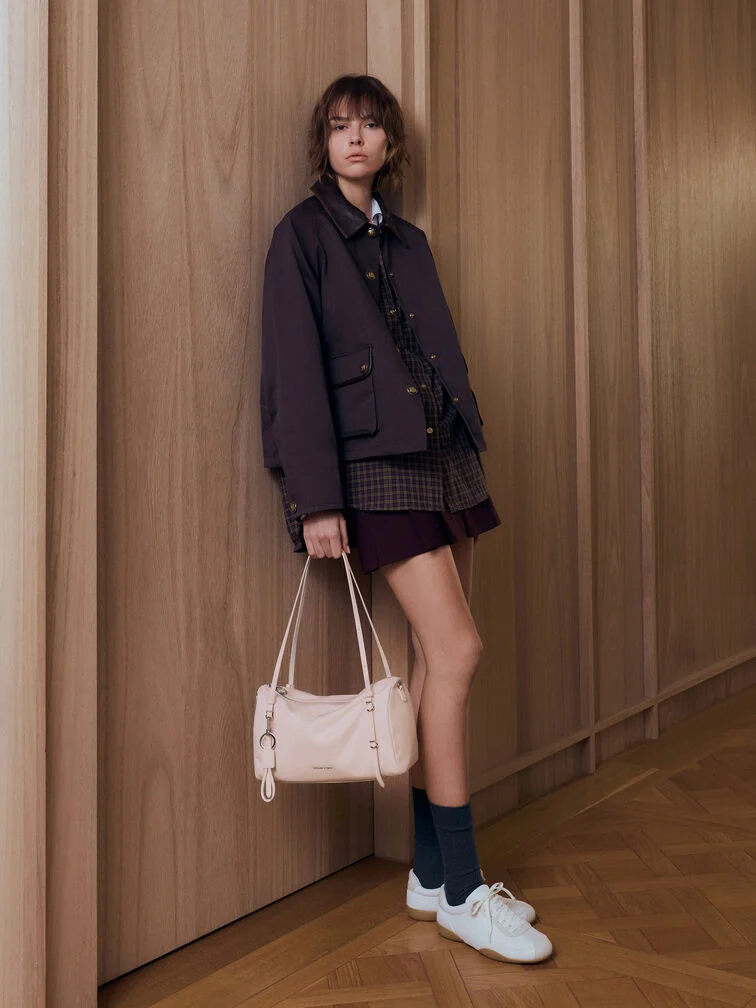
One of the easiest ways to create a balanced look is to combine fitted and relaxed pieces in a single outfit, such as a boxy jacket paired with a mini skirt or a chunky sweater worn over skinny jeans. Opting for shoes with slim profiles, such as pointed-toe flats, tapered ankle boots and low-profile sneakers can also help balance the proportions of a voluminous ensemble.
Define the Waist
Define the Waist
Tuck the front of your base or mid layer into the waistband of your pants. Known as the French or half tuck, this styling technique helps define the waist and create a sleek, refined silhouette. It works best with soft, hip-length pieces, such as a cotton shirt, fine-knit sweater or silk blouse, as their lightweight fabrics add minimal bulk for a flattering finish.
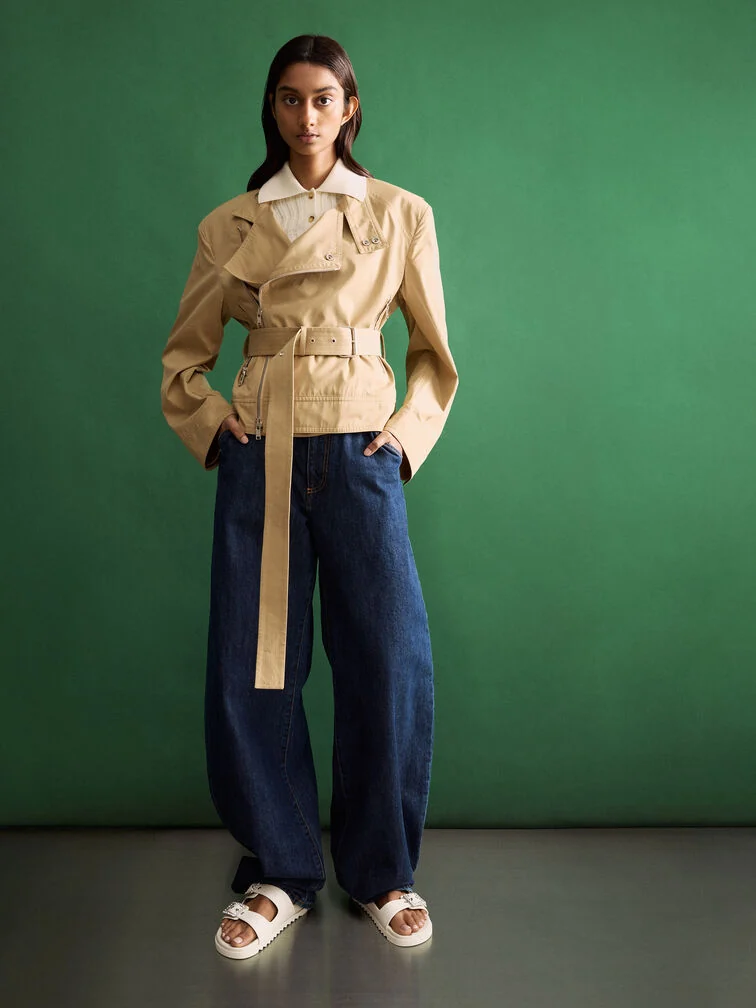
Alternatively, cinch your outerwear with a waist belt to give shape and definition to the layers. A belt bag or small shoulder bag that sits neatly at the waist can also create the illusion of a cinched silhouette without adding too much volume. Discover more inspiration in our shoulder bag styling guide, which offers even more outfit ideas.
Keep the Color Palette Simple
Incorporating fewer colors into your outfit can create a more cohesive and visually lightweight look. We recommend wearing no more than three colors in a single outfit. While no color combination is strictly off-limits, exercise discernment when pairing contrasting hues, such as red and green or orange and purple, as they can create visual clashes that make an ensemble appear overwhelming or weighed down.
Stick to a primary hue and introduce a secondary color through accessories, such as pairing an all-cream ensemble with a burgundy shoulder bag for a subtle yet sophisticated contrast. Not very confident in your color-pairing skills? Our guide to the most versatile bag colors will introduce you to hues that go with almost anything.
Layered Outfit Ideas
With the above layering principles in mind, here are some outfit ideas that translate effortlessly into everyday dressing.
Button-Up Shirts Under Sweaters
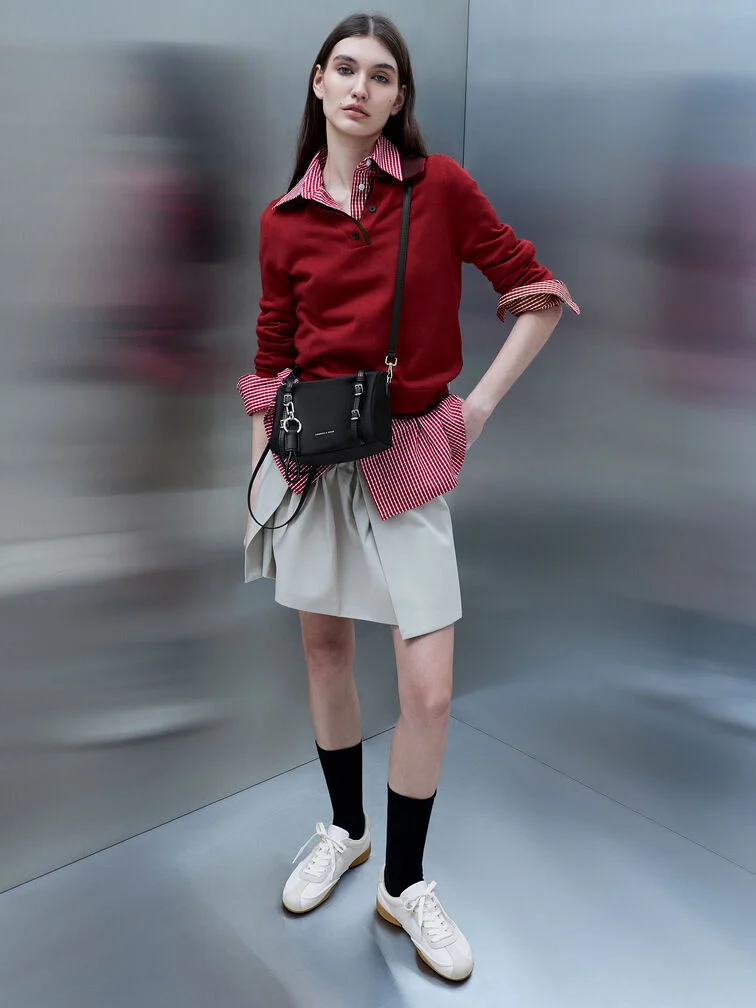
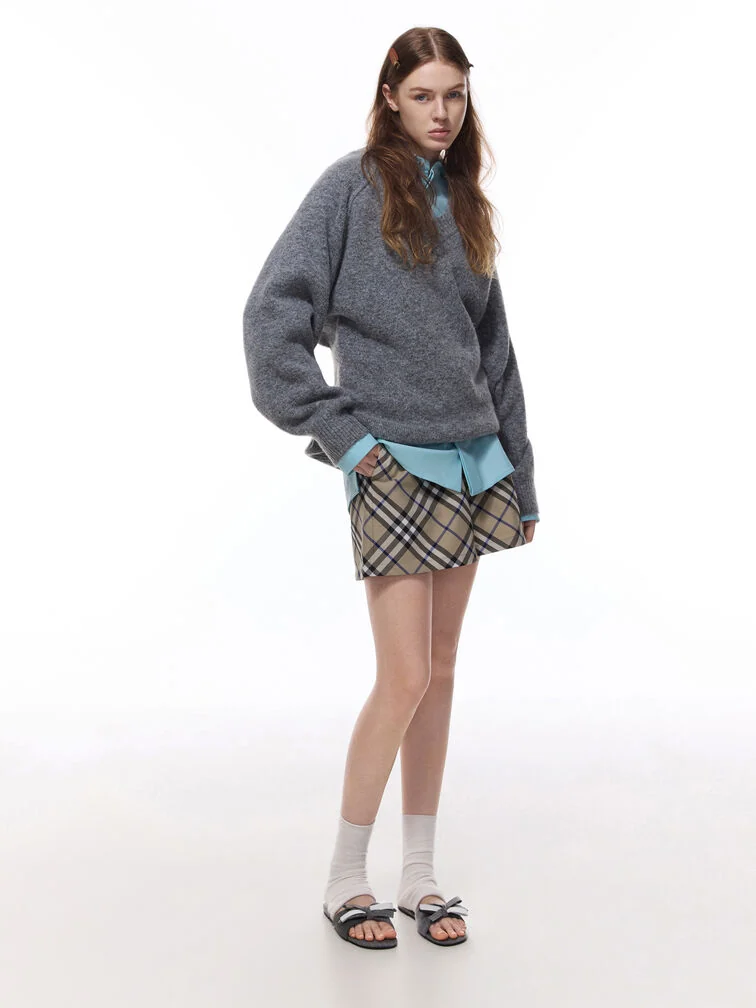
Layering a button-up shirt under a pullover sweater is one of the most classic and versatile combinations. The collar, cuffs and hem of the shirt peek out from underneath the sweater, highlighting the distinct layers and creating a polished look that is suitable for both work and play. Choose the neckline of the sweater according to how much of the shirt’s collar you would like to show.
- Crew Neck: Allows the shirt collar to peek out over the neckline for a preppy finish. You can also tuck the collar in, letting just a hint of it show for an even cleaner look.
- V-Neck: Reveals the full collar of the shirt down to the top button, creating a refined, business-casual look.
Tip
Opt for a button-down collar shirt to keep the collar neat and flat under the sweater throughout the day.
For casual occasions or weekends, style the combination with sneakers and knee-high socks to embrace its traditionally preppy aesthetic, completing the ensemble with a compact crossbody bag. For work, pair a shirt-and-sweater combination with slingback pumps and a classic top-handle bag for a foolproof, polished look.
Layered Dresses
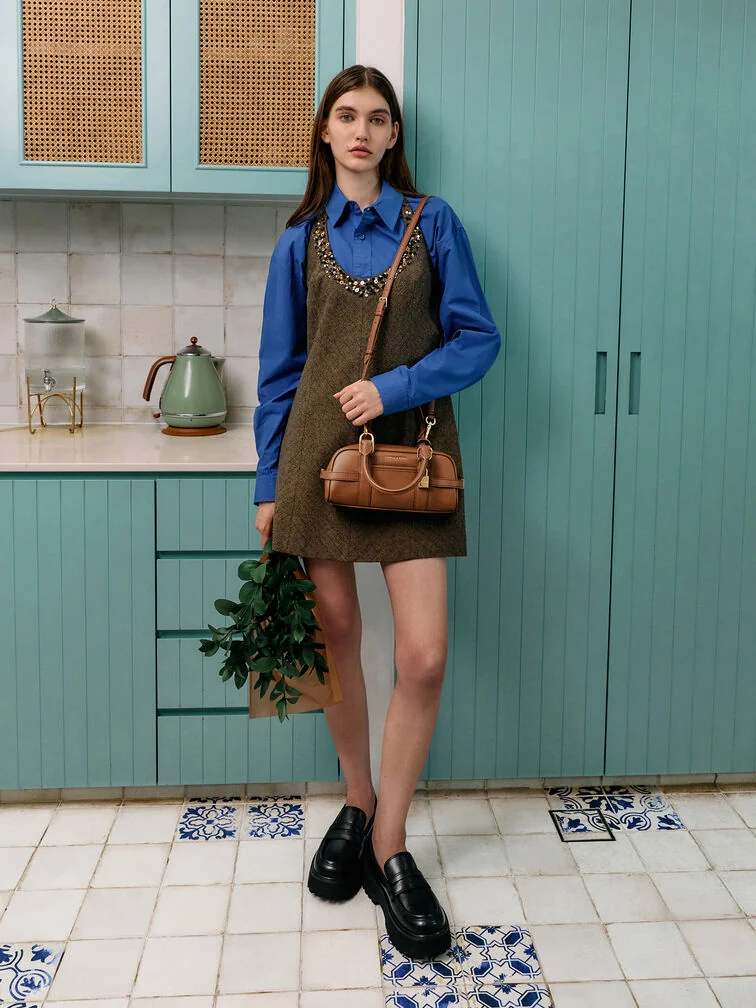
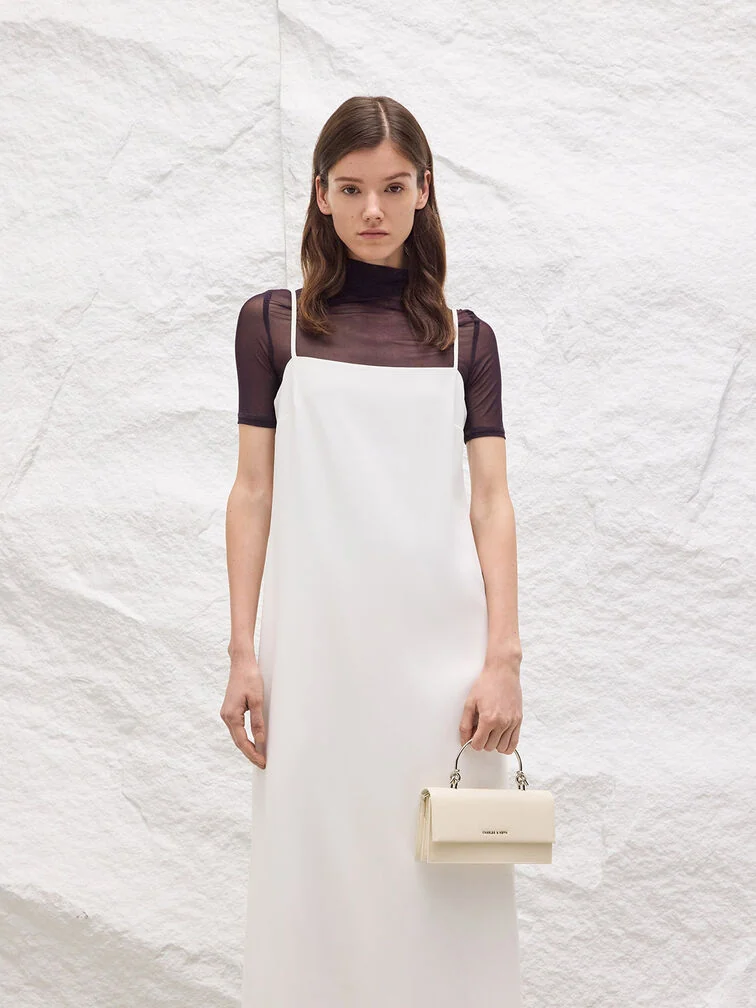
Dresses are incredibly versatile when it comes to layering. For instance, a slip dress is typically worn on its own during the warmer months, but it can be layered over a wool top in fall and winter for a cozy look. Here are some other classic ways to create layered dress combinations:
- Pinafore Dress + Button-Up Shirt: Layer this sleeveless mini dress over a button-up shirt, letting the long sleeves frame the silhouette. Finish the look with chunky loafers for a preppy-chic aesthetic.
- Slip Dress + Turtleneck Top: Pair a midi-length slip dress with a sheer turtleneck top to add visual depth and interest to a polished evening look. Complete the outfit with pointed-toe heels.
- Maxi Dress + Pullover Sweater: Wear a pullover sweater over a maxi dress for an effortlessly chic combination that keeps you warm. Pair the ensemble with knee-high boots to make a style statement.
- Midi Dress + Pants: Create contrast and a tiered effect by styling a midi dress over straight-leg jeans or pants. Complete the look with pointed-toe flats or slingback pumps for a refined finish.
When it comes to bags, a structured top-handle bag with an interchangeable crossbody strap for hands-free convenience is perfect for workdays, while a mini clutch lends an air of understated elegance to evening ensembles.
Turtlenecks Under Tops
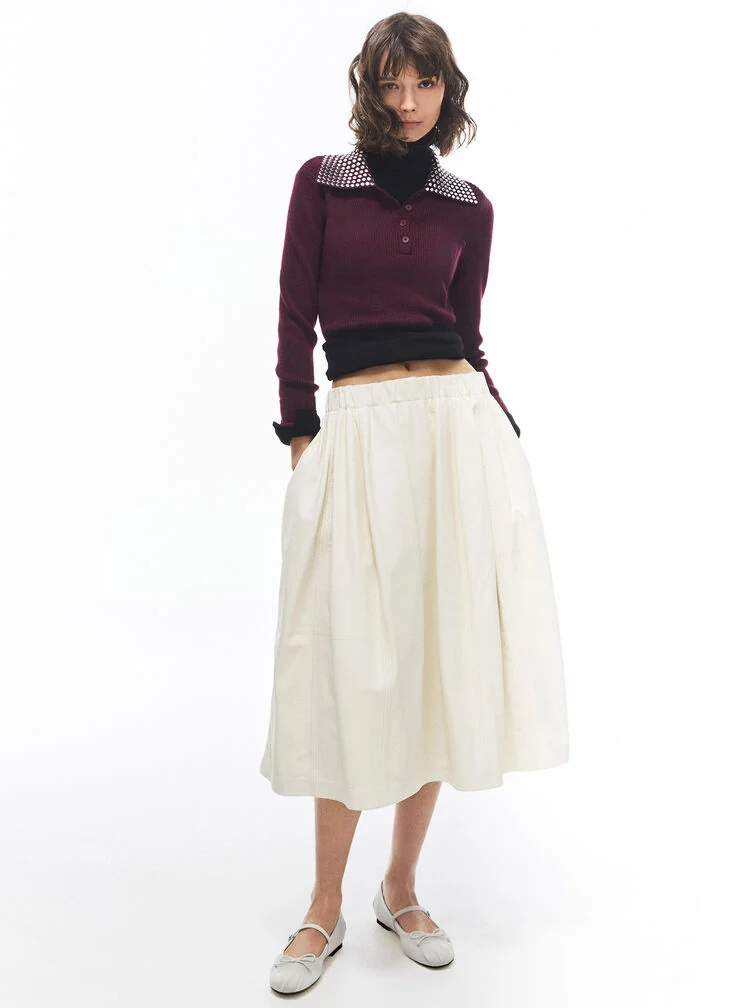
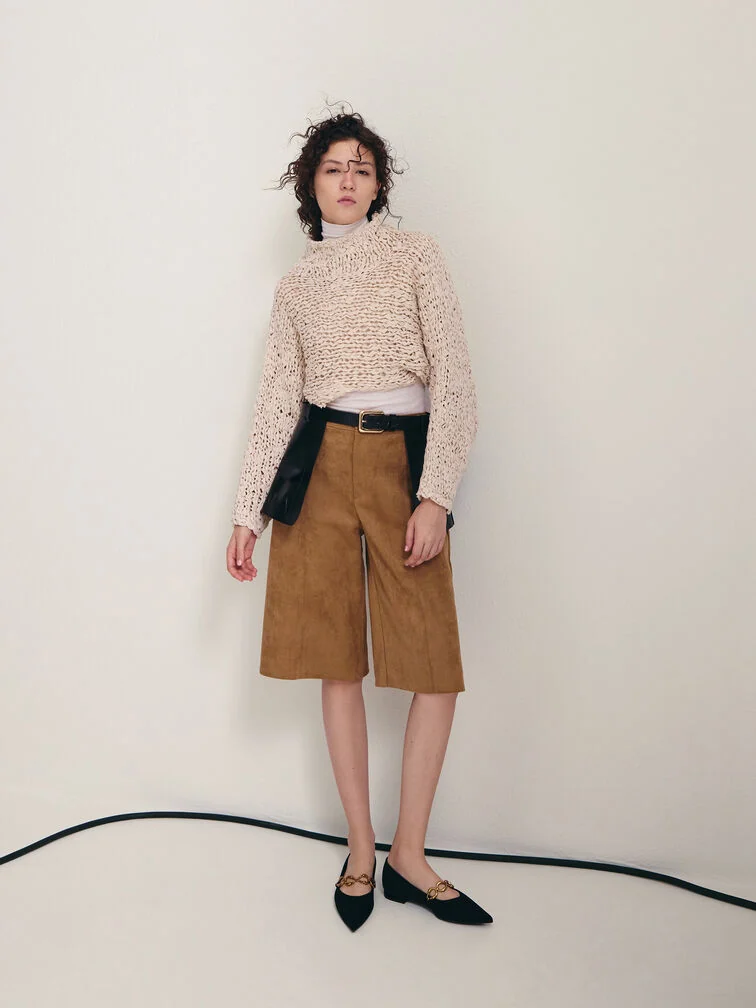
A slim-fit turtleneck shirt works well as a base layer. It can be worn under almost anything to add warmth while creating a subtle contrast at the neckline. Try layering a black turtleneck under a collared knit, paired with a full midi skirt, or a white turtleneck under a cropped open-knit sweater, styled with knee-length suede shorts. Complete either ensemble with Mary Jane shoes or ballet flats and add a belt bag to keep your hands free while creating more definition at the waist.
Short Sleeves Over Long Sleeves
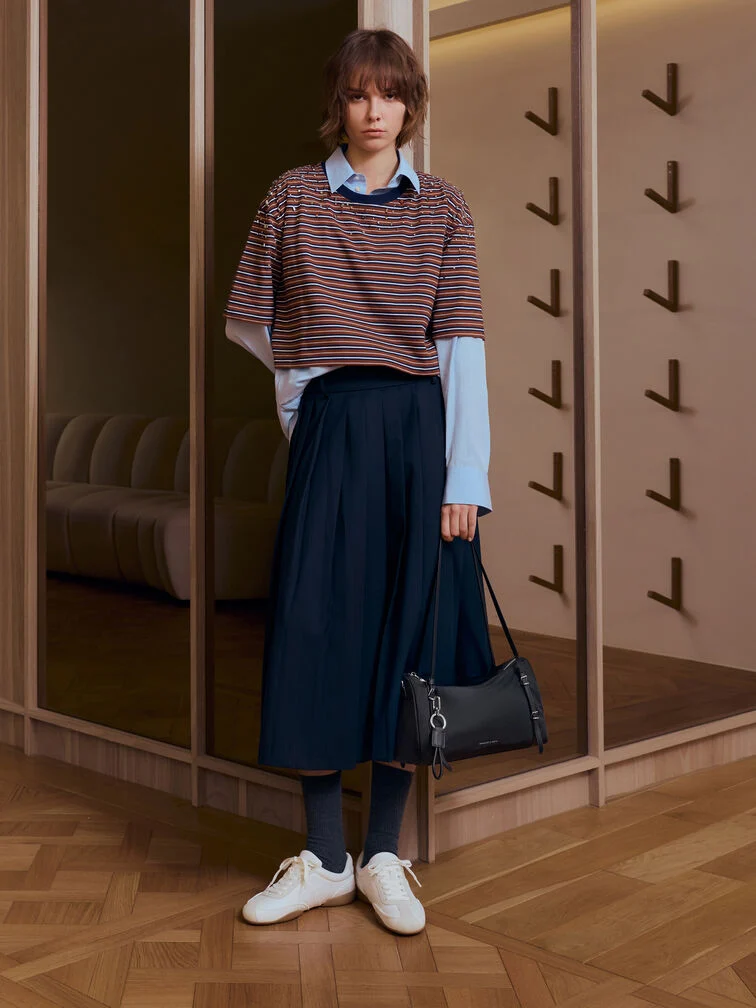
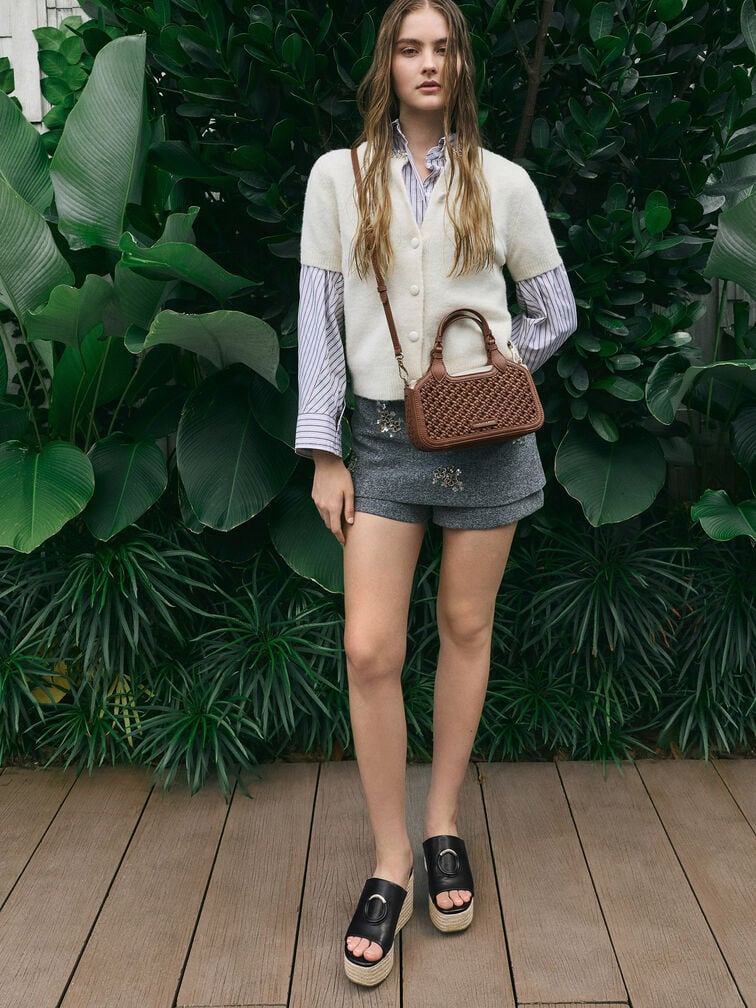
Inspired by ‘90s fashion, layering a short-sleeved T-shirt over a long-sleeved top is one of the easiest ways to elevate wardrobe basics. With contrasting sleeves and hems peeking out from underneath, this combination adds visual depth and dimension to an outfit. Try layering a cropped striped tee over a button-up shirt, paired with a pleated midi skirt, crew socks and sneakers for a preppy look. Alternatively, a short-sleeved cardigan worn over an Oxford shirt, styled with shorts and platform sandals, makes for a chic ensemble on warmer days. Refer to our guide to matching footwear with different outfits to find the perfect shoes to complete each look.
Reach for a slouchy shoulder bag to complete these everyday looks or opt for a woven top-handle bag with a detachable crossbody strap to embrace a summery aesthetic.
Sweater Vests Over Tops
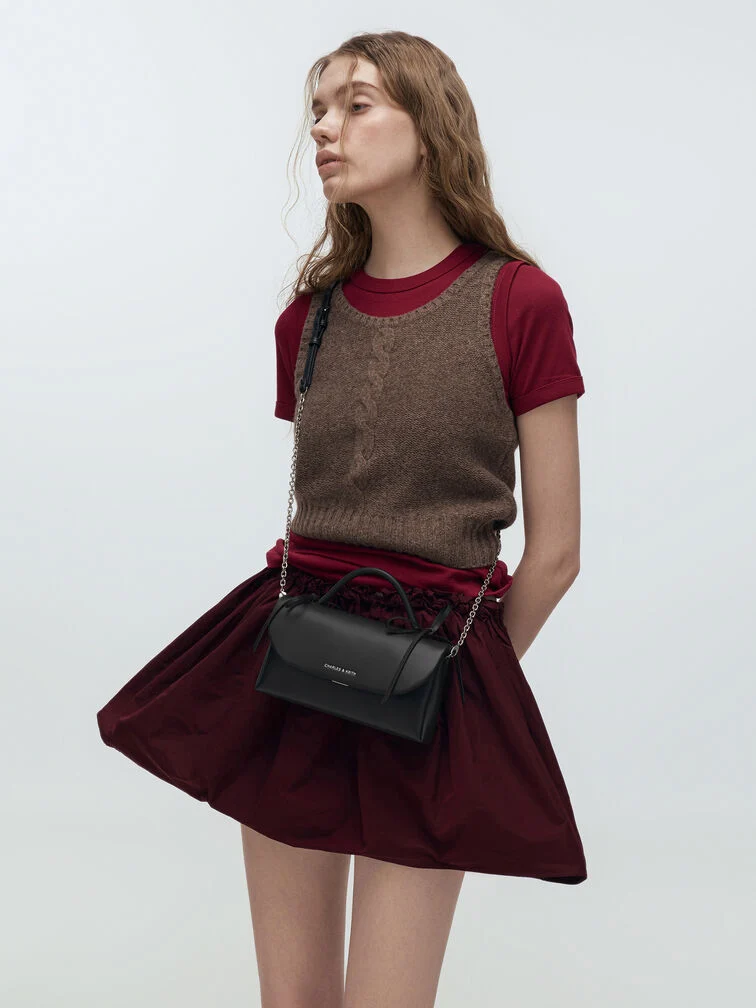
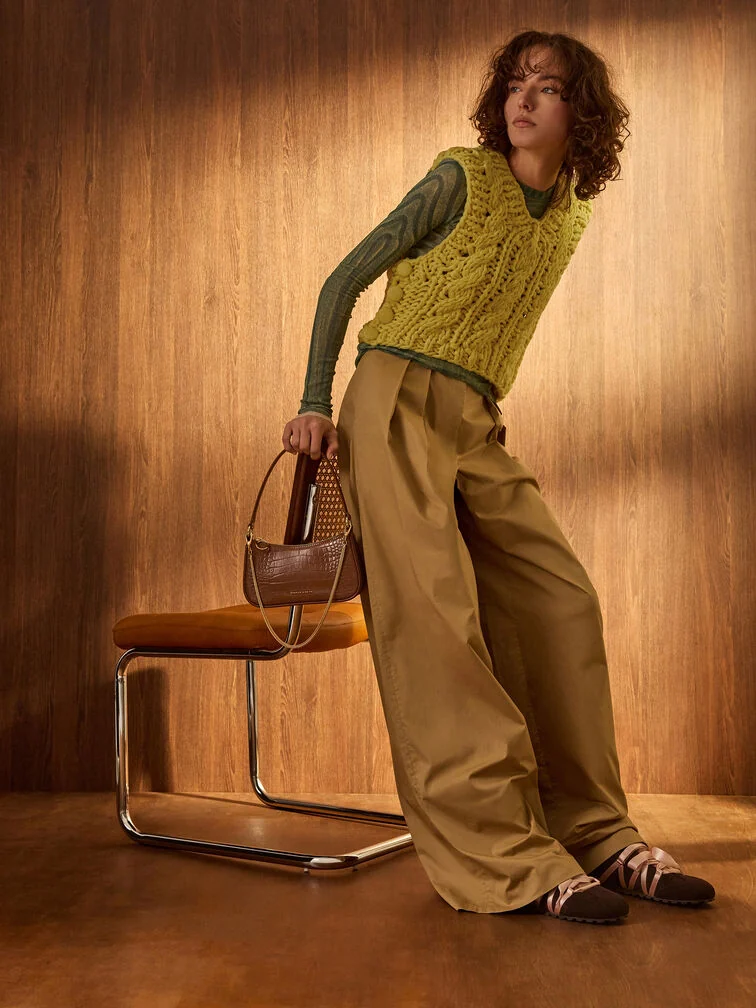
The sweater vest is a sleeveless alternative to traditional knitwear, offering greater styling versatility. Its sleeveless design prevents fabric from bunching around the arms while creating a more relaxed, sometimes playful aesthetic.
A lightweight sweater vest layered over a T-shirt and paired with a mini skirt is ideal for spring and summer dressing, while a cable-knit vest worn over a fitted long-sleeved top and wide-leg pants provides extra warmth during the colder months. Complete either ensemble with a chain-strap crossbody bag or shoulder bag featuring an elegant croc-effect finish for a polished touch.
Layering Outfits by Season
You don’t necessarily need different layering techniques for different seasons. However, depending on the weather and your daily routine, you may need to adjust the number, thickness and types of layers you wear.
Fall
Fall
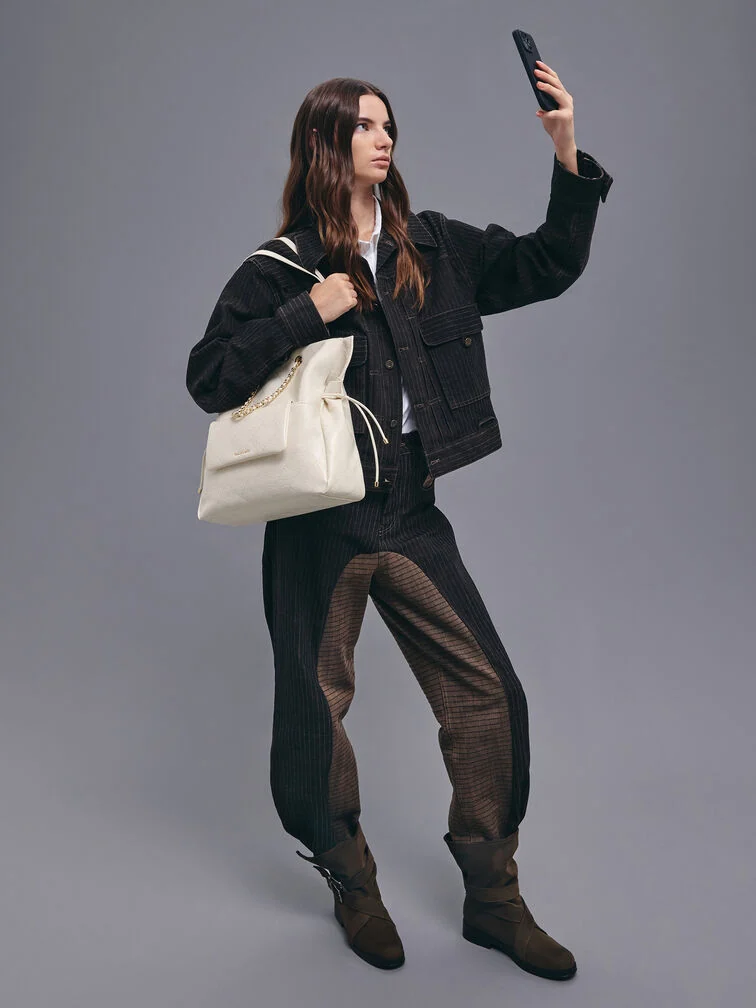
Fall weather can be unpredictable, with temperatures fluctuating significantly throughout the day. Therefore, outer layers should be easy to remove and carry, allowing you to adapt your outfit effortlessly to chilly mornings and warmer afternoons.
Here are a few outfit combinations to consider: a trench coat layered over a classic T-shirt and straight-leg jeans, completed with loafers; a blazer worn over a striped top and midi skirt, paired with ankle boots; or a cropped denim jacket layered over a button-up shirt and wide-leg pants, finished with slouchy buckled boots. When it comes to bags, a spacious tote that can accommodate your outerwear when it is not in use makes a practical yet stylish choice.
Winter
Winter
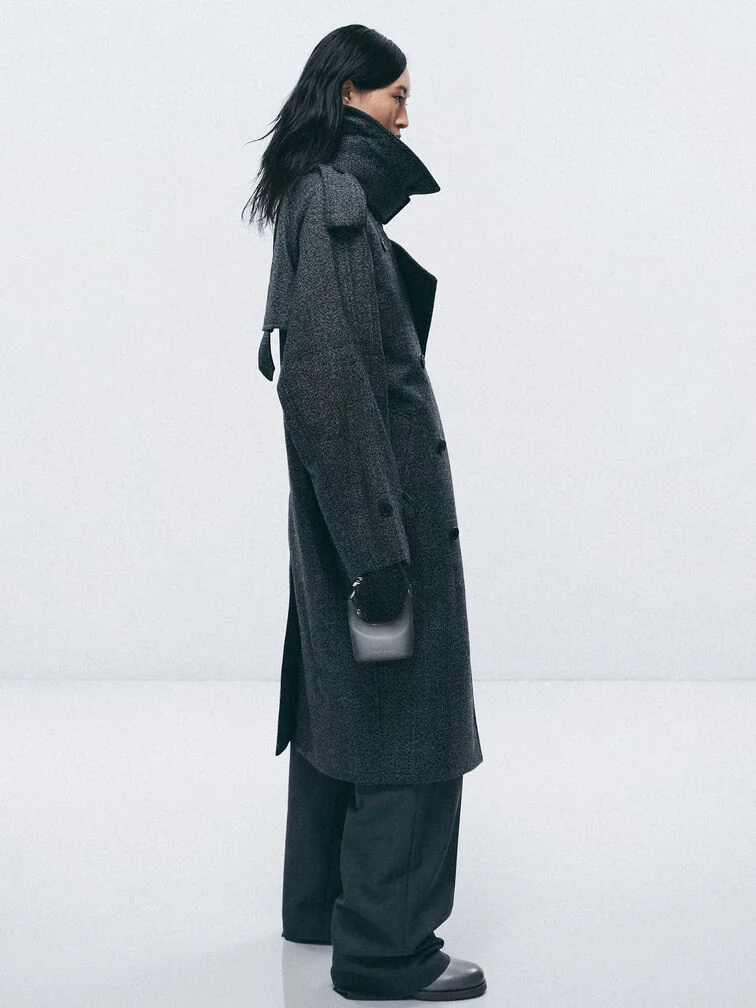
In winter’s freezing temperatures, your coat does the heavy lifting. As you will likely be wrapped up most of the time, stick to neutral basics for the layers underneath and make a style statement through your choice of pants and shoes.
Pair a longline wool coat with wide-leg pants and chunky loafers in matching tones for an effortlessly chic monochromatic look. Alternatively, layer it over a knitted dress, paired with ribbed tights and knee-high boots for an elegant finish. Balance the visual weight of your outerwear with a small or mini bag, perfect for the season’s many festivities and parties. When opting for a larger shoulder bag or tote for everyday wear, ensure the straps are long enough or adjustable to fit comfortably over thick outerwear.
Spring
Spring
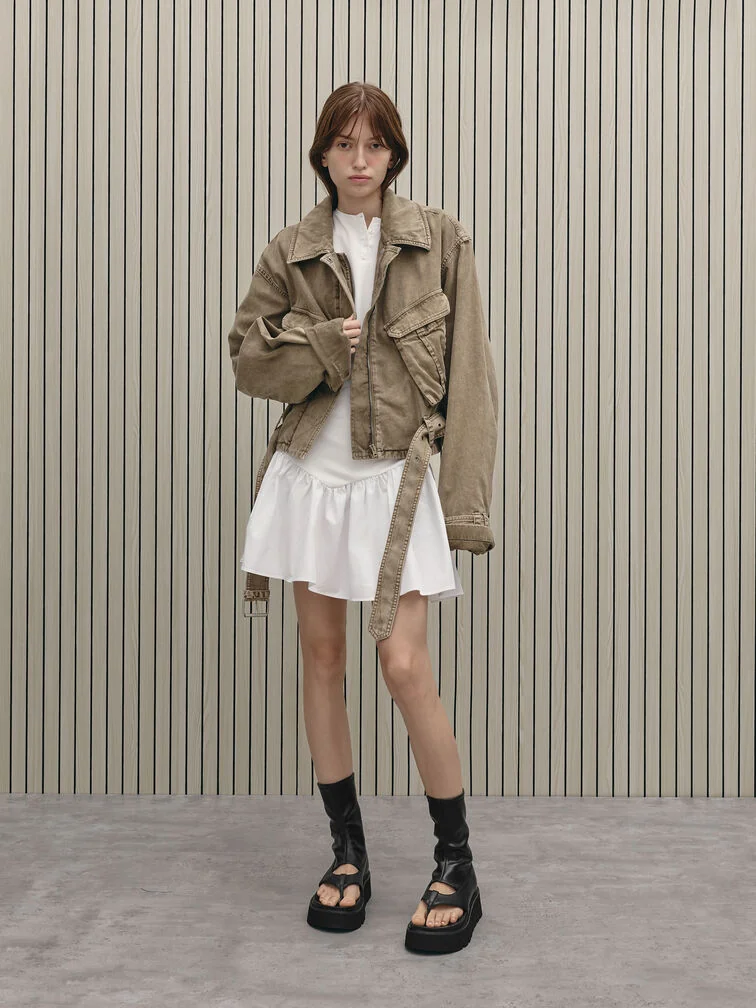
Spring calls for lightweight yet functional layers that offer warmth during cool, misty mornings and protection against unexpected showers. Consider pairing a denim or utility jacket with a mini dress and chunky sandals, or layering a fine-knit cardigan over a midi dress, styled with polished mules or slingback heels. Complete either ensemble with a lightweight nylon or canvas bag to stay prepared for the season’s changeable weather.
Summer
Summer
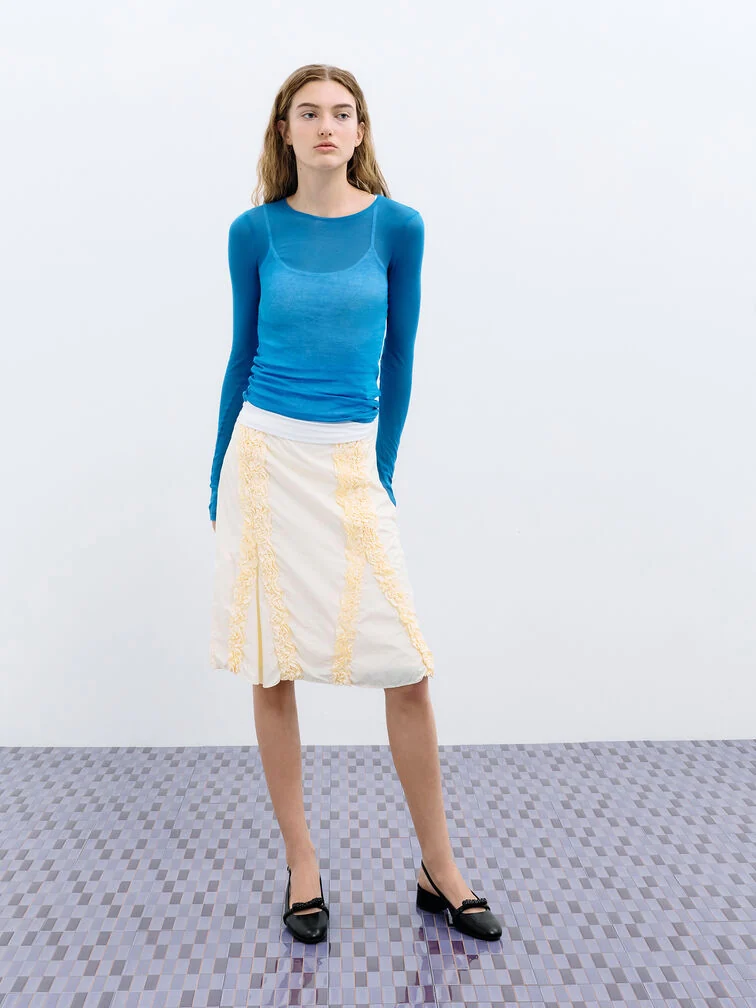
It is possible to layer your outfits even in the summer heat. The key is to choose lightweight, breathable pieces, such as sheer mesh tops, linen overshirts, fine-knit cardigans and openwork crochet vests. These pieces can offer some sun protection while serving as convenient cover-ups when moving into air-conditioned spaces.
Here are a few outfit combinations to make summer layering effortless: a long-sleeved sheer top layered over a camisole and paired with a midi skirt, finished with Mary Jane flats; a linen shirt worn over a tank top and shorts, completed with flat sandals; or a crochet vest layered over a swimsuit and paired with espadrilles for beach days.
Embrace the warm-weather aesthetic with a woven or raffia crossbody bag that keeps your hands free.
In conclusion, layering outfits is not rocket science, but it takes practice to master this styling technique. Always remember to layer from thinnest to thickest, balance fitted and relaxed silhouettes and keep the color palette simple. Consider the weather when deciding on the types of layers you need and how adaptable they should be, as these factors will affect the practicality and comfort of your outfit. Our bags, shoes and accessories will be waiting for you when you are ready to add the perfect finishing touches to your layered ensembles.